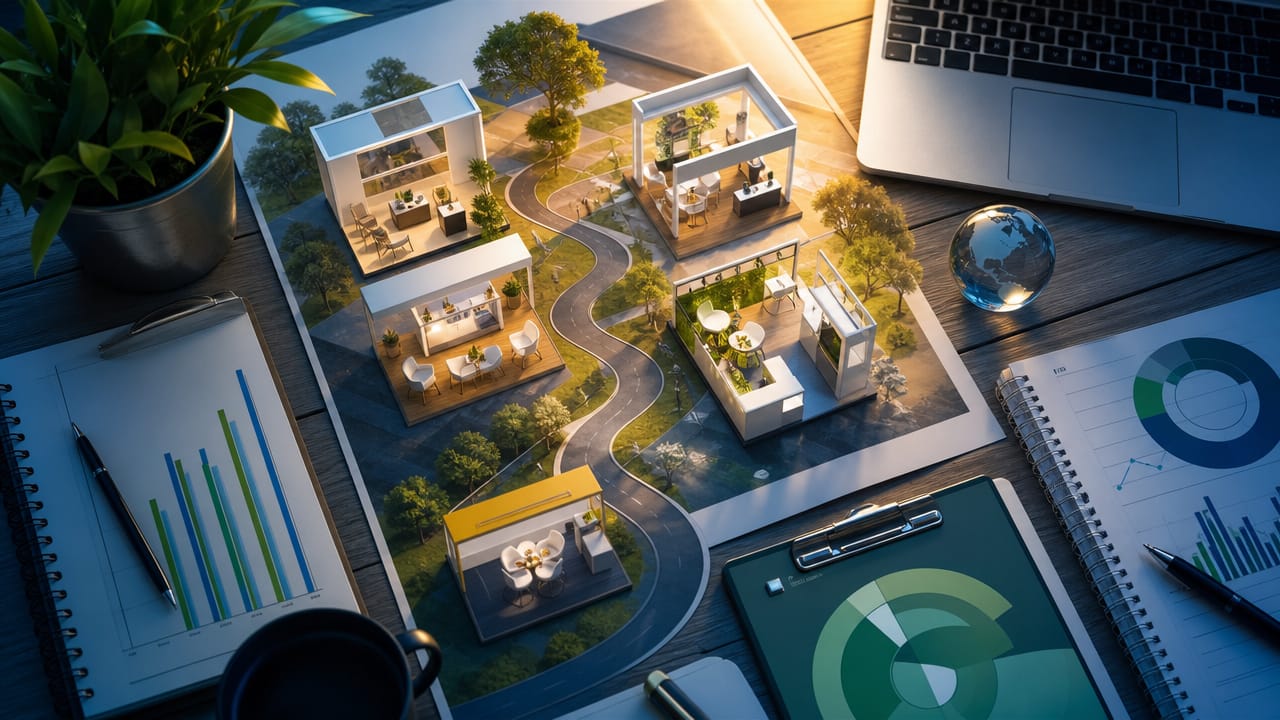



How to Set Clear Objectives for Your Trade Show Participation is an increasingly important question for Australian marketers facing rising event costs and pressure to prove ROI. Clear goals turn a single exhibition into part of a broader campaign, guiding Exhibition Stand Planning, staffing, content and post-show follow-up. Without defined outcomes, it becomes difficult to prioritise budget, brief your team effectively or compare one event against another in future years.
For many local brands, trade shows absorb a large share of annual marketing spend, making structured trade show preparation essential. Objectives provide a decision-making filter: who you want to meet, what messages to prioritise and how you will measure success. They also help align sales and marketing, so everyone works from the same exhibition briefing document rather than ad hoc expectations. Over time, consistent goal-setting builds data you can use to benchmark performance across different states, sectors and venues.
Most exhibitors focus on some mix of lead generation, brand awareness, sales, partnerships and product launches. A retailer-focused brand, for example, might set a target number of qualified conversations and use a trade show objectives template to capture decision-maker details. Using the SMART method keeps these aims specific and measurable, such as aiming to convert a defined percentage of stand visitors into pipeline opportunities. This kind of trade show goal-setting framework also clarifies which outcomes will be tracked over weeks and months after the event.
Once goals are set, solutions range from simple lead-scanning tools to full-service agencies providing an exhibition stand planning guide and on-the-ground support. Lead-focused brands may prioritise data capture, competitions and a detailed pre-event stand staffing plan, while partnership-led exhibitors rely more on private meeting spaces and longer discussions. A practical exhibition planning checklist and exhibition planning timeline help teams map activity against typical Australian trade show timelines, including freight, stand build, content approvals and follow-up campaigns. Strong pre-show exhibition planning also means your collateral, demos and talking points all reinforce the same objectives.
To measure success, many exhibitors track cost per lead, pipeline value, media reach and conversion from first meeting to proposal or sale. Some teams manage this in-house with spreadsheets, while others turn to specialist consultants for integrated dashboards and advice on refining future objectives. Expert partners can also review your Exhibition Stand Planning against performance data to determine whether layout, messaging or staffing need to change. If your organisation is ramping up participation across Australia and the region, consider speaking with an independent event strategist to compare solution options, tighten your objectives and build a more predictable, evidence-based trade show program.
Input your search keywords and press Enter.