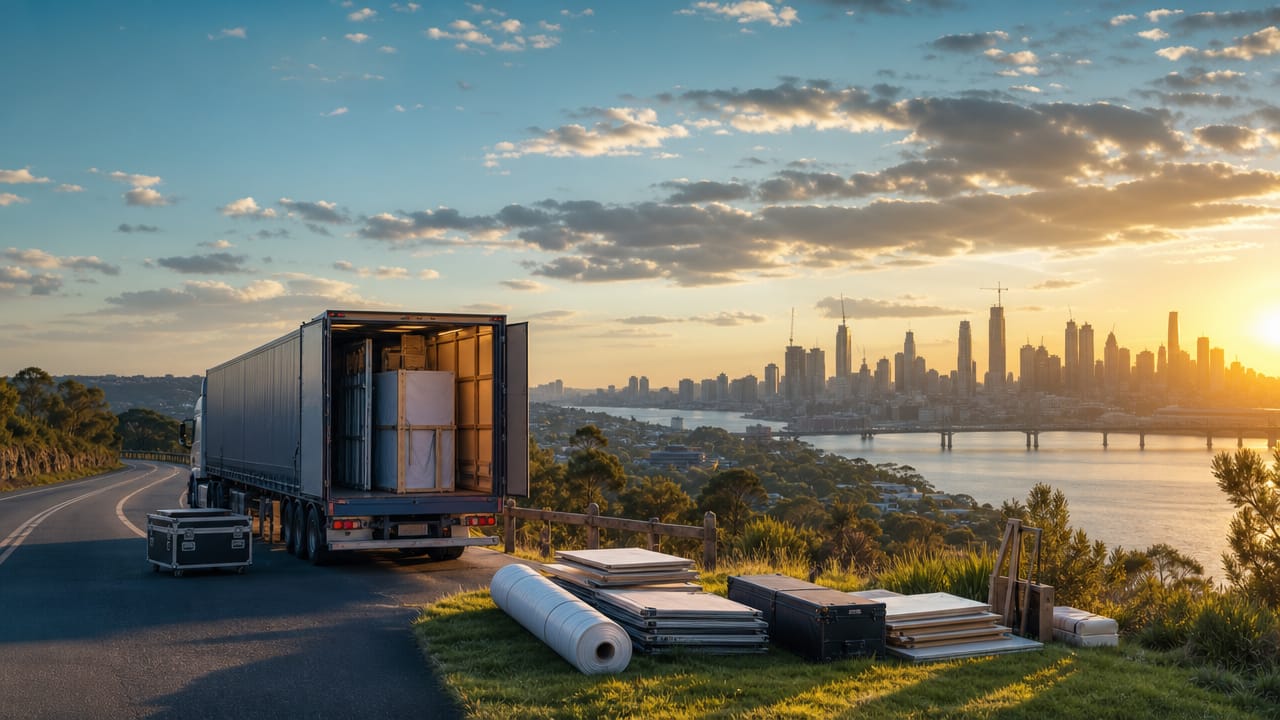



Understanding the risks of interstate exhibition transport in Australia is essential for any marketing team planning to move a stand between cities. The combination of tight trade show dates, vast road distances, and unfamiliar venue rules can quickly derail even well-designed campaigns. When Exhibition Logistics and Freight are treated as an afterthought rather than a core project stream, the stand itself – and the investment behind it – is put at risk.
Exhibition stands often represent months of creative work and a sizeable slice of an annual marketing budget. A delayed truck, missing crate, or damaged graphic panel can slash lead volumes and weaken brand impact across the entire event. In a competitive expo hall, a partially built display or late arrival can mean lost sales opportunities that far outweigh the upfront cost of careful exhibition freight planning.
Most issues become visible during bump-in, when teams discover that crucial elements haven’t arrived or are unusable. Common scenarios include AV equipment cracked in transit, graphics crushed by poorly stacked pallets, and crates stranded due to misdirected exhibition transport paperwork. Confusion over venue loading dock logistics can also lead to trucks queuing for hours, racking up overtime and delaying stand construction.
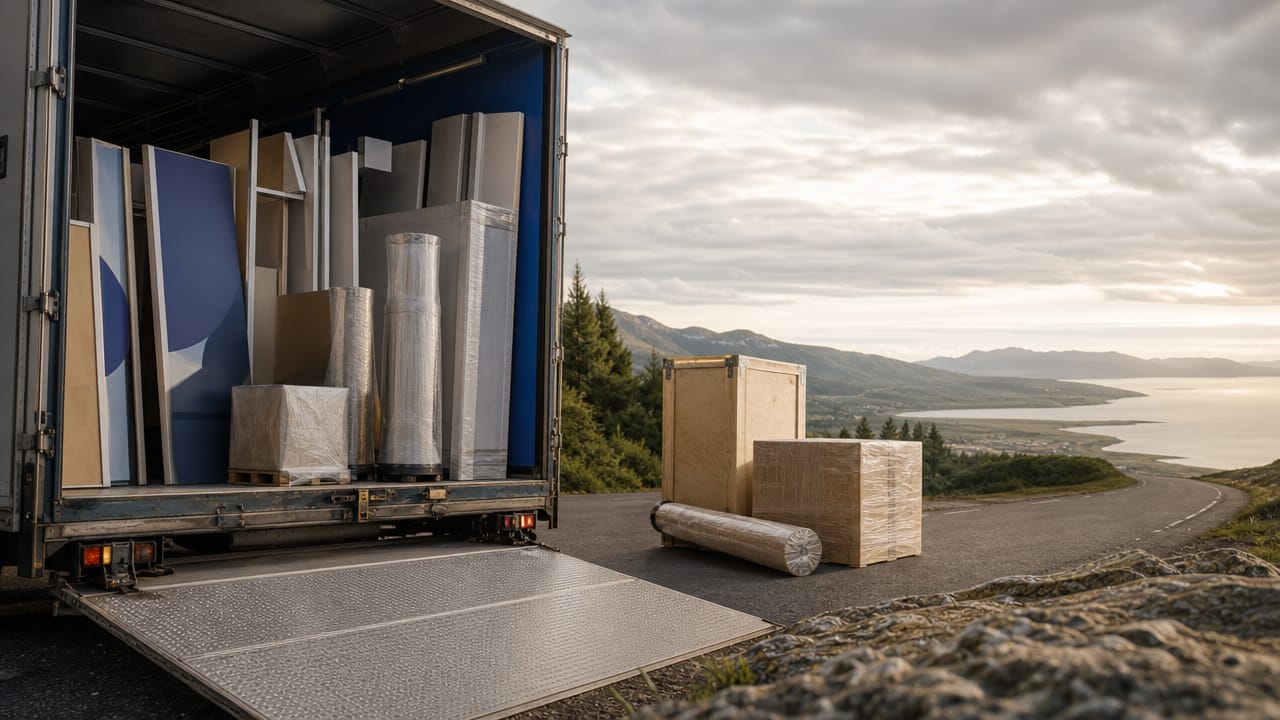
Many Australian exhibitors rely on generic couriers or ad hoc event stand transport services, assuming a standard delivery will be “good enough”. In reality, poor crate labelling, vague trade show freight schedules and incomplete paperwork can trigger storage fees, re-delivery charges and rush printing to replace damaged assets. Teams often underestimate the time needed for dismantling and packing exhibition displays after the show, as well as arranging secure storage for exhibition stands between events.
When these warning signs appear, the risk of last-minute crises rises sharply. Businesses moving stands between Sydney, Melbourne, Brisbane or Perth need structured trade show logistics that account for distance, public holidays and local regulations. Early conversations with specialists can clarify insurance, handling requirements and realistic exhibition freight budgets before contracts are signed.
If your team has endured stressful bump-ins, repeated damage or confusion over who owns the freight plan, now is the time to reassess. Speak with an expert in Australian Exhibition Logistics and Freight to review your current process, tighten risk controls and build a clear plan for your next show before small oversights turn into costly failures.
Input your search keywords and press Enter.