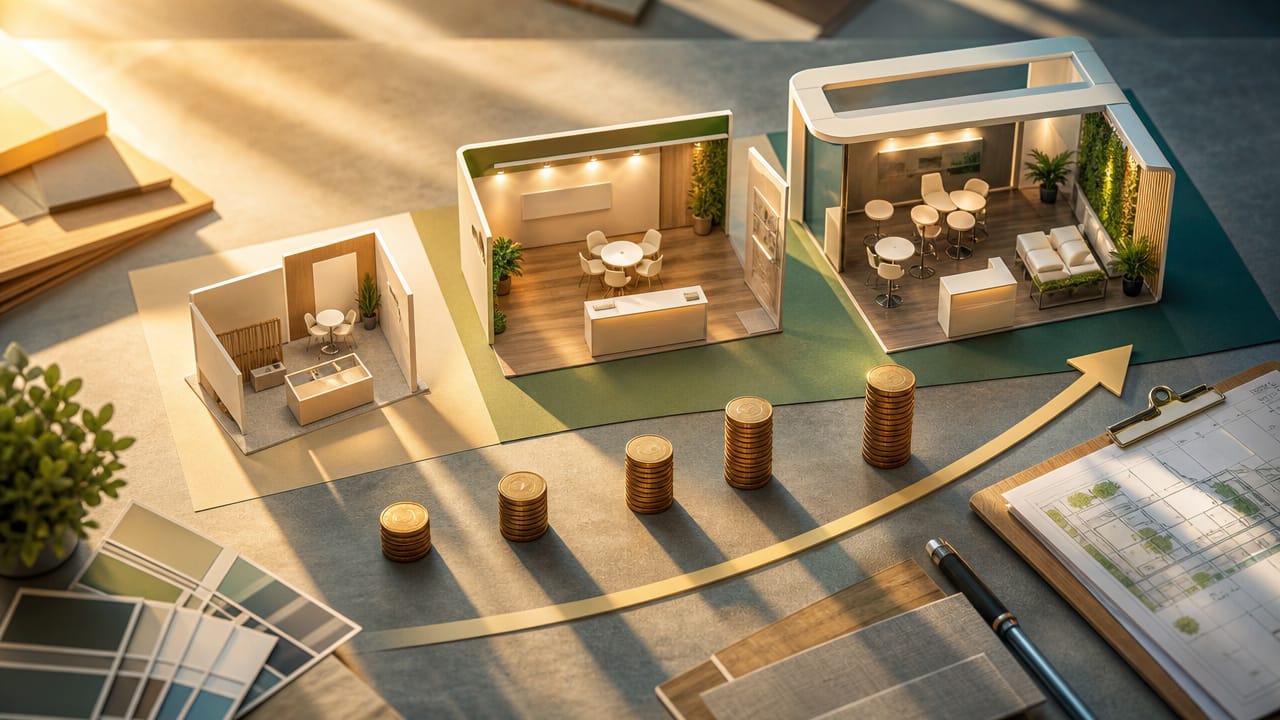



Australian marketers grappling with Exhibition Stand Costs quickly discover that floor space is only the beginning. Venue regulations, supplier rules and local labour conditions across Sydney, Melbourne and Brisbane make exhibition stand pricing feel opaque, especially for teams under pressure to justify every line in their trade show budget. Understanding the main cost drivers and available stand solutions is essential if you want to avoid bill shock and still deliver a strong on-stand presence that supports pipeline and brand goals.
In Australia, exhibition stand pricing is shaped by a mix of structural, operational and venue-related variables. Beyond the headline exhibition stand cost breakdown, marketers must consider design fees, fabrication, labour and installation charges, storage, transport and show services such as power, rigging and cleaning. GST, city-specific union rules and mandatory venue contractors add another layer of complexity. These factors mean two stands with identical sizes can land at very different totals, depending on how they are specified and delivered.
Stand size versus cost is usually the first lever, with larger footprints and taller structures requiring more materials, engineering and approval. Custom builds allow stronger brand storytelling but demand higher investment and more detailed custom stand budget planning over multiple shows. Modular systems and rentals reduce upfront spend, though technology add-ons such as LED walls, AV packages and interactive touchpoints can quickly raise the baseline. Timing is equally important, as late approvals or design changes routinely trigger rush surcharges and compressed site schedules.
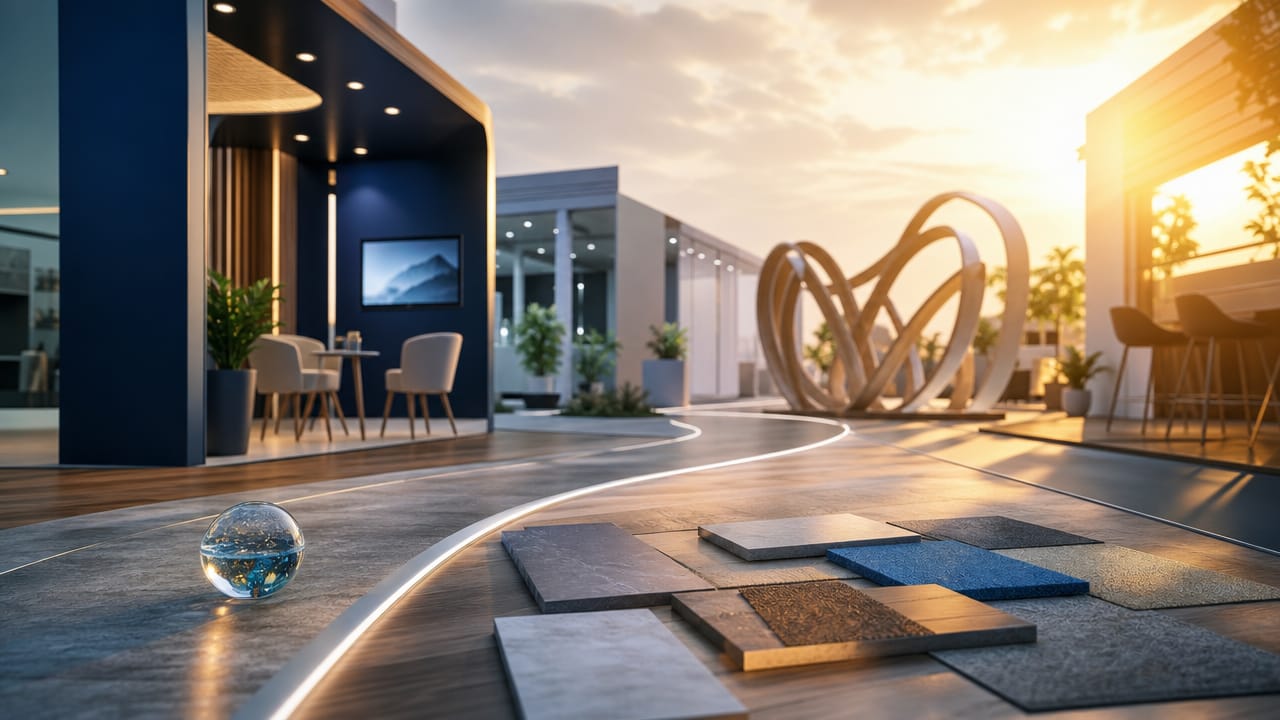
For brands mapping their exhibition calendar, the main decision is how often the stand will be used and how consistent the footprint will be. Custom stands suit flagship events where differentiation and immersive experiences matter most, and they perform best when amortised over several years. Modular systems offer flexibility for changing layouts and venues, while rental packages minimise capital outlay for businesses testing events or attending a single annual show. To secure value for money exhibition stands, marketers should compare exhibition stand quotes that clearly separate design, build, operations and post-show costs.
As budgets tighten, decision-makers are increasingly seeking exhibition stand pricing models that are predictable and transparent. A practical approach is to align solution choice with both commercial objectives and execution risk, then benchmark multiple Exhibition Stand Costs against realistic performance metrics such as leads captured, meetings booked and post-show revenue. Speaking with an independent exhibition specialist can help clarify solution options, refine your brief and pressure-test assumptions before you commit. If you are planning an Australian trade show, now is the time to review your options, request expert advice and lock in partners who can guide you towards the most effective stand strategy for your brand.
Input your search keywords and press Enter.