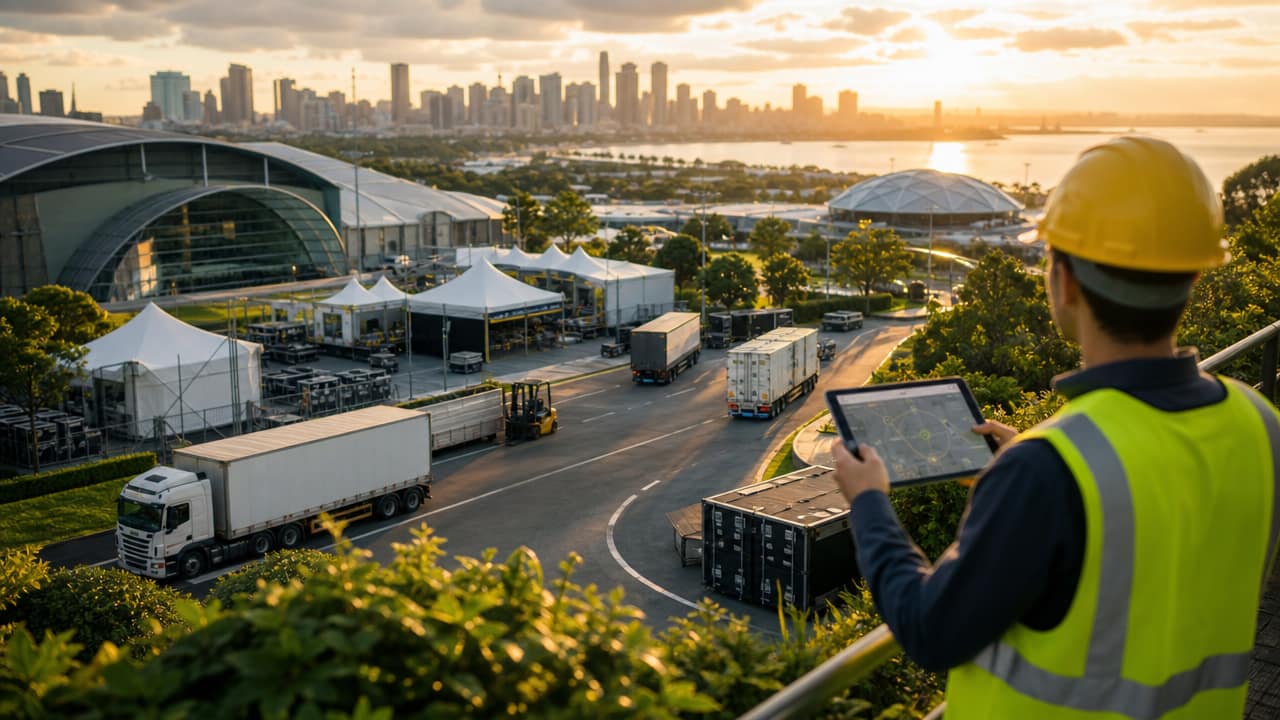



How to Manage Freight Coordination for Multiple Events is becoming a pressing question for Australian organisers running exhibitions, conferences and roadshows across overlapping dates. As schedules tighten and venues span multiple states, the risk of delays, damage and spiralling costs increases sharply. A single missed truck slot or customs hold can disrupt an entire campaign, making structured planning and specialist support critical rather than optional.
Coordinating exhibition freight across several events means tracking stands, AV, samples and collateral as they move from warehouse to venue and back again. Each site has its own access times, induction requirements and venue loading dock logistics, which can quickly overwhelm in-house teams. When events are sequenced closely, one late bump-out can jeopardise the next bump-in, especially for time-critical event deliveries tied to keynote sessions or media launches.
Specialist Exhibition Logistics and Freight providers have built service models specifically for organisers juggling multiple shows. These operators consolidate loads between cities, manage cross-docking for tight turnarounds and provide real-time tracking dashboards. Their multi-event freight planning typically includes pre-labelled cases, standardised packing lists and contingency routings for high-risk lanes. For campaigns touring several capital cities, australia-wide exhibition transport with integrated warehousing can drastically reduce re-packing, damage and idle stock between dates.
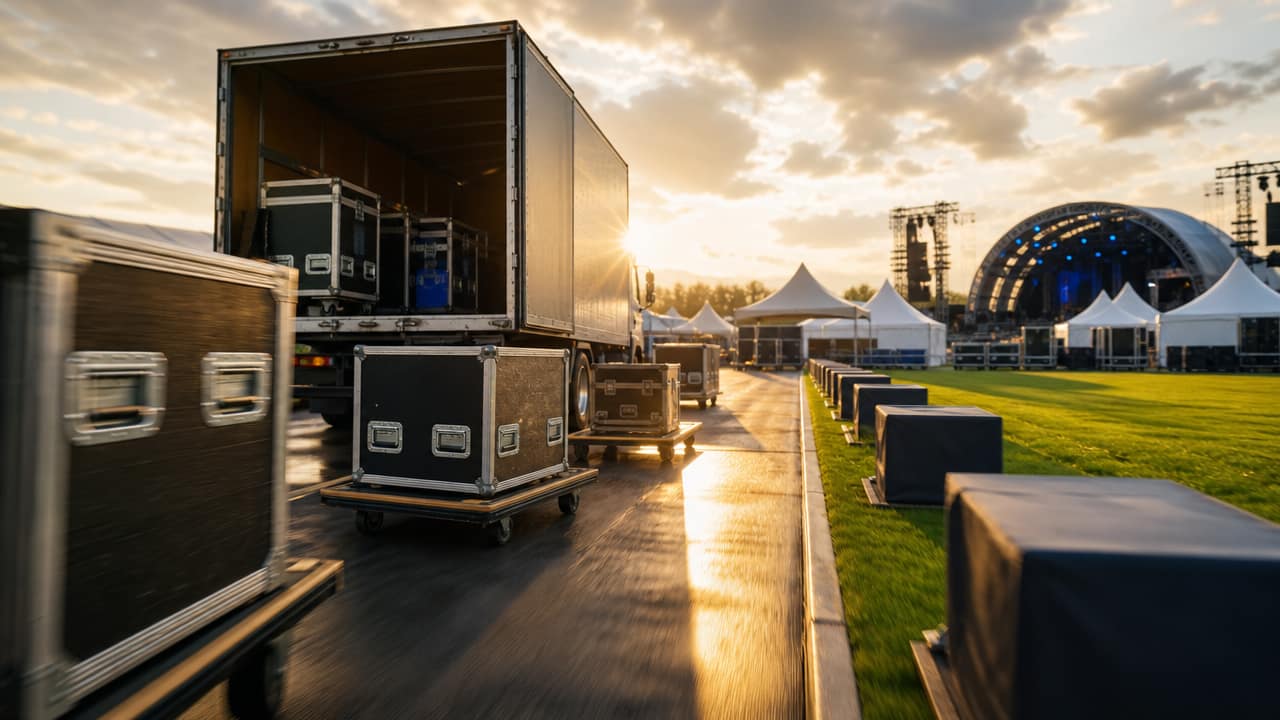
Handling trade show logistics internally can make sense for a single small event with simple freight and flexible access. However, once campaigns involve custom builds, interstate trade show freight or international shipments, general carriers often struggle with strict bump-in and bump-out windows. Outsourcing to a specialist adds value through tailored equipment, experienced crews and an understanding of managing exhibition freight deadlines under pressure. Smart organisers compare not just freight rates, but also savings from fewer damages, reduced overtime and lower risk of last-minute stand rebuilds onsite.
Digital tools now sit at the centre of coordinating trade show freight across a national calendar. Inventory and tracking platforms show where each asset is, who is responsible next and what happens if flights, storms or industrial action disrupt plans. Strong risk management also matters, from insurance and photo records through to compliant packaging for road and air routes. For organisers mapping a year of shows, the most reliable approach is to compare logistics models, test them on a pilot series and then scale with a partner experienced in exhibition transport and multi-city campaigns. To explore structured options for multi-event freight, speak with a specialist provider and clarify how they will protect your schedule, budget and brand presence.
Input your search keywords and press Enter.