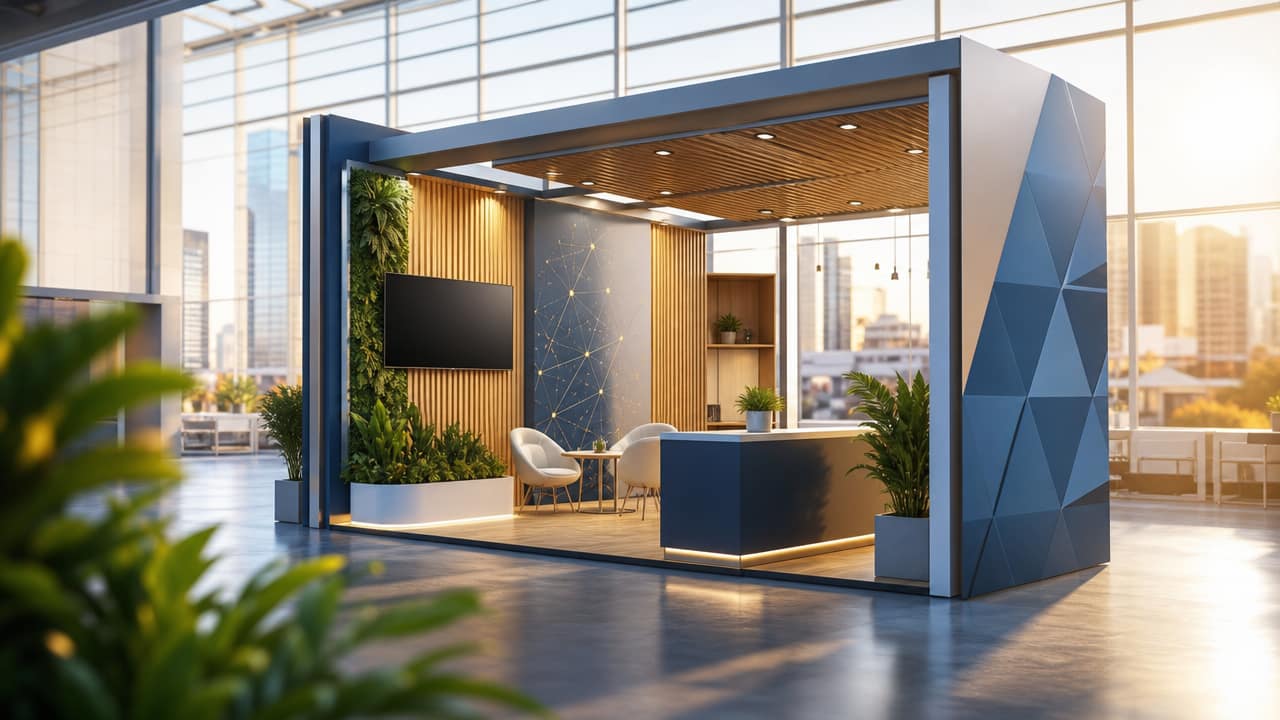



Visitor expectations of exhibitions in Australia are shifting fast, and marketers using standard shell schemes can no longer rely on generic layouts or stock graphics. To stay competitive, you need a structured approach to feedback that directly informs Shell Scheme Improvements and turns every event into a live test lab for better results.
When you treat each show as research, feedback becomes the engine for smarter shell scheme displays, higher engagement and better qualified leads. The seven tactics below help you capture, interpret and act on what visitors and staff experience on the show floor, so your next stand performs harder without blowing the budget.
Short, on-stand surveys, QR codes to mobile forms and quick intercept chats capture immediate reactions to your shell scheme booth. Ask what drew them in, what confused them and whether they’d recommend your stand to a colleague. Keep it under two minutes to protect completion rates. This real-time input highlights quick wins like clearer wayfinding, sharper shell scheme graphics or more accessible demos before your next outing.

Your sales and brand reps notice questions, bottlenecks and missed opportunities that visitors never write down. Run a structured debrief within 48 hours of pack-down to map hot and cold zones, clunky traffic flows and awkward storage gaps. Compare this with visitor comments to spot consistent issues, such as cramped meeting areas or underpowered lighting, and turn those pain points into a clear plan for improving basic shell schemes at your next event.
Headlines like “400 scans” don’t tell you which parts of the stand actually worked. Measure dwell time, demo participation and content downloads to understand which Shell Scheme Stands elements genuinely drive conversations. Even simple tools, from lead capture apps to basic heat-mapping, can reveal dark corners, overused counters or ignored messaging. This performance data helps you test cost effective shell stand ideas and justify upgrades to sponsors or internal stakeholders.
Raw comments about crowding, glare, noise or confusing product groupings should feed straight into your next floor plan. If visitors say they missed key messages, test taller headers, bolder shell scheme wall banners or stronger contrast between zones. Where people complain about queues, consider additional counters or rethinking hospitality placement. By logging each design tweak against specific feedback, you can evaluate whether your budget shell scheme makeover actually lifts satisfaction scores.
To turn raw feedback into a sharper, more productive exhibition presence, many Australian marketers partner with specialist stand builders who can translate insights into layout, lighting and messaging that work in real venues. If you’re ready to move beyond a basic shell scheme booth and explore strategic Shell Scheme Improvements, speak with a local expert today to refine your next stand, lift engagement and convert more of your show traffic into real opportunities.
Input your search keywords and press Enter.