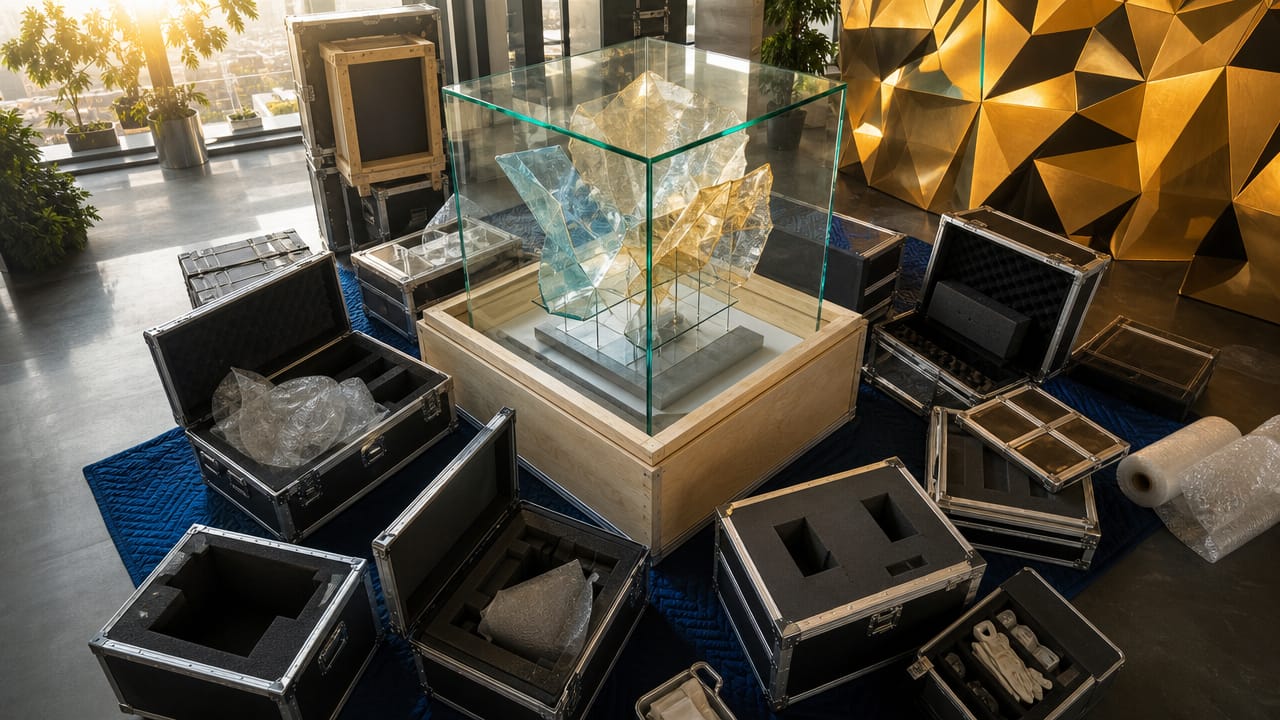



How to ensure safe handling of fragile exhibition displays has become a strategic question for Australian organisers, not just a technical detail. Compressed installation windows, complex multimedia builds and growing volumes of touring work all raise the likelihood of breakage. The financial risk is significant, but so are the implications for lender confidence and institutional reputation. Most losses still occur in motion rather than on display, which means your approach to Exhibition Logistics and Freight is one of the most powerful levers for risk control and operational resilience.
In contemporary exhibitions, the most fragile asset is often trust – between lenders, venues, insurers and logistics partners – and it is earned through disciplined handling standards.
A credible fragile-handling strategy starts with object-level risk assessment, not packing materials. Weight, centre of gravity, surface finishes and known weak points should inform how each item moves from store to truck to show floor. Leading institutions pair these assessments with mandatory condition reports and photography at every transfer point. This approach reduces dispute potential with lenders and insurers while building a valuable dataset. Over time, patterns in damage and near misses can shape policies for exhibition freight, staffing levels and equipment procurement.
For three-dimensional works, custom crates with foam-in-foam or shock-mount systems remain best practice for fragile exhibition freight handling. Materials such as Tyvek, acid-free tissue, corner protection and vibration-damping layers should be selected with conservation input, not just cost. Australian conditions make environmental control non-negotiable, with rapid swings in temperature and humidity a frequent threat. Climate-controlled storage for exhibits and monitored trucks help maintain stability throughout the journey. Data loggers, tamper-evident seals and documented handovers strengthen both compliance and lender confidence.
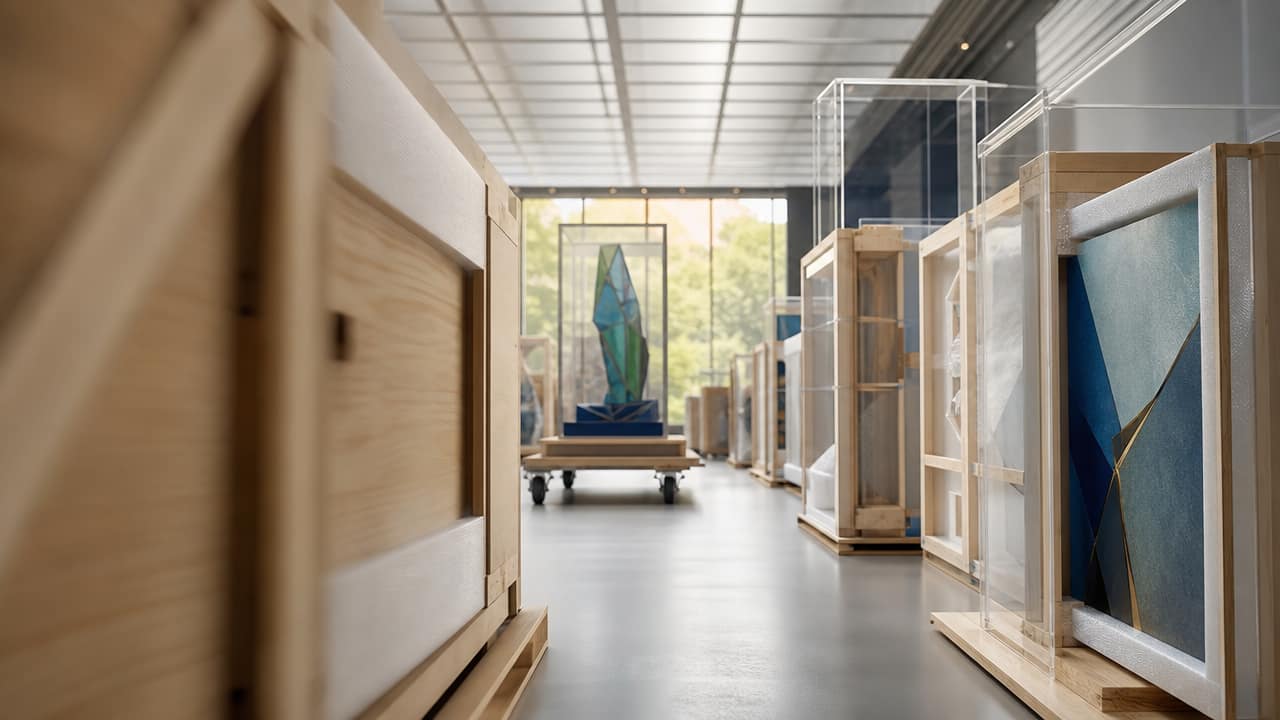
Most incidents still trace back to rushed or inconsistent handling rather than catastrophic failures of equipment. Clear delineation of roles, pre-move toolbox talks and standardised lifting and loading methods materially reduce this variability. Partnering with expert providers in exhibition transport and fine-art logistics is increasingly seen as essential, especially for interstate transport for fragile displays. Strategic coordination also matters on site, from safe loading of exhibition materials to coordinating venue access for fragile freight so that bottlenecks and last-minute shortcuts are avoided.
Forward-looking Australian organisers now treat handling of fragile displays as a capability that can unlock new programming possibilities, not a sunk cost. Robust processes unlock more ambitious touring schedules, streamline approvals and reduce the carbon footprint associated with rebuilding damaged elements. There is growing convergence between trade show logistics and museum standards, particularly around secure trade show display transport and packing delicate exhibition stands for rapid turnarounds. Reviewing your policies, training and supplier mix through this lens can quickly reveal high-impact improvements.
For leadership teams, the next step is to move beyond informal know-how and embed formal standards across your portfolio. Audit recent incidents and near misses, then map the full lifecycle of each object, including return transport of delicate exhibition stands. Use these insights to refine specifications for external partners and to stress-test your current risk controls. If your organisation is planning major touring programs or venue upgrades, now is the right time to reassess how to ensure safe handling of fragile exhibition displays across every stage of the journey.
To strengthen your next program, review your current handling framework, engage specialist logistics partners early in planning, and convene a cross-functional workshop with curators, registrars and operations leaders. Use that forum to define clear handling standards, documentation expectations and escalation paths before your next move. Taking these steps now will reduce avoidable damage, improve stakeholder confidence and position your institution as a trusted custodian of every work you move.
Input your search keywords and press Enter.