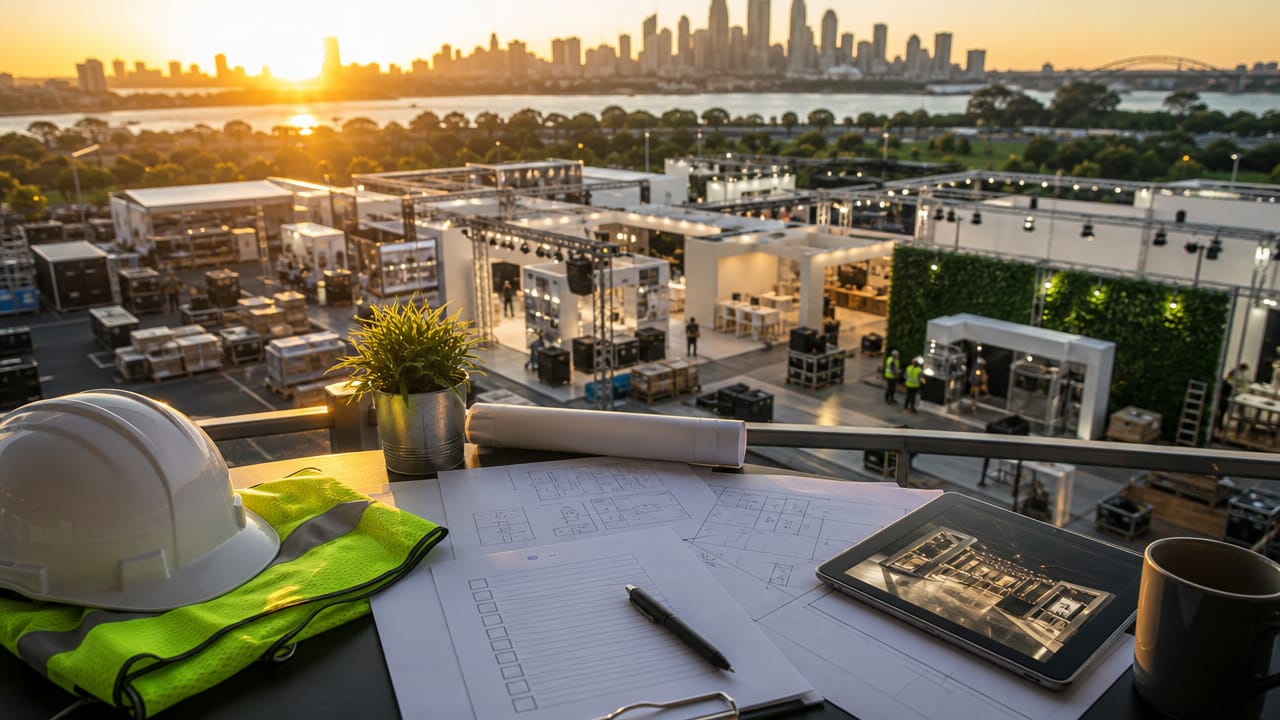



Developing a structured risk management plan for Australian trade shows is no longer optional; it is a core part of professional Exhibition Stand Planning and due diligence under WHS legislation. Exhibitors face increasing scrutiny from venues, insurers, and regulators, and generic templates rarely address the nuanced risks of live events. A tailored, risk-focused approach protects people, assets, and brand reputation while ensuring compliance is seamlessly integrated into every stage of delivery.
Many providers focus on design aesthetics and basic logistics, treating safety as a separate compliance task. In contrast, a specialist risk-driven methodology embeds risk management for exhibitors into stand concept, construction, and on-site operations. This integrated model supports a clear exhibition planning checklist, ensuring that safety controls, visitor flow, and engagement goals are aligned rather than competing priorities.
Leading partners begin with a detailed pre-show risk assessment that maps your exhibition planning timeline, including bump-in, show days, and bump-out. Instead of relying on venue forms alone, they apply a structured trade show risk checklist to issues such as manual handling, electrical safety, data security, and crowd management. This proactive approach delivers practical controls that satisfy Australian Standards while remaining workable for sales teams and contractors.
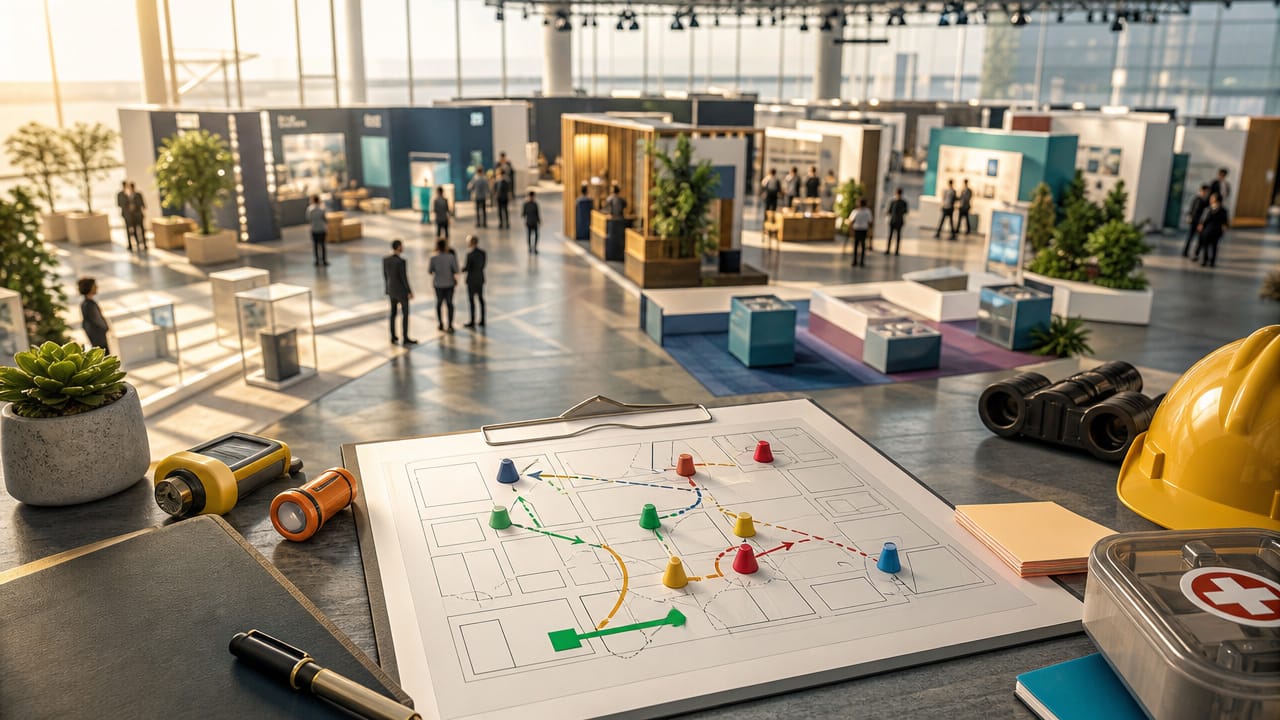
A key differentiator is how responsibilities, communication, and documentation are managed across internal teams, suppliers, and the venue. A mature provider will coordinate vendor and contractor risk controls, staff inductions, and emergency procedures for trade shows under a single, practical framework. They also define an exhibition incident response plan and event contingency planning measures, so your team knows exactly how to respond if conditions change or an incident occurs.
Stronger providers understand how WHS obligations intersect with insurance considerations for exhibitions and venue-specific rules. By integrating trade show preparation with detailed documentation, they enhance insurer confidence and streamline approvals with Australian venues. This disciplined approach to Exhibition Stand Planning reduces last-minute redesigns, improves budget certainty, and allows your team to concentrate on high-value customer conversations rather than chasing paperwork.
If you are preparing for your next Australian trade show, compare providers on their ability to combine creative design with rigorous, real-world risk management. Ask how they structure risk assessments, coordinate contractors, and support you before, during, and after the event. To gain a clear, defensible plan that elevates both safety and visitor experience, speak with our team today and request a tailored consultation for your upcoming exhibition.
Input your search keywords and press Enter.