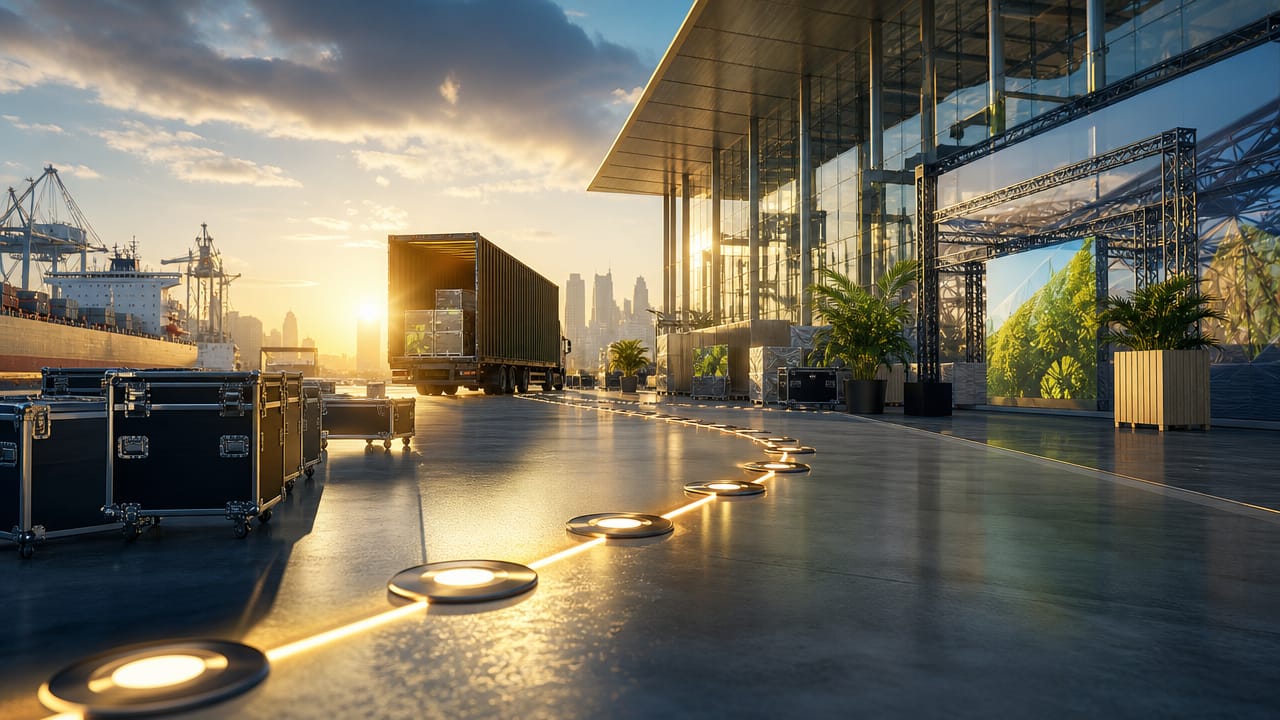



Planning how to develop a comprehensive exhibition logistics timeline in Australia can be the difference between a standout stand and a costly no‑show. With tight venue rules, long international transit times and complex supplier chains, organisers need a structured, realistic schedule that protects deadlines and budgets while keeping sales teams focused on visitors, not missing freight.
Start by breaking your event into clear logistics milestones from quotation to return freight. Include freight tenders, documentation, dangerous goods declarations, exhibitor manual deadlines and stand build windows. Work backwards from show open, then add buffers for peak seasons and possible delays in exhibition freight. For overseas shows, note public holidays and cut‑offs in both countries so nothing critical gets caught in customs or airline backlogs.
Confirm move‑in, move‑out and venue loading dock access as early as possible, then anchor your logistics plan around those immovable dates. Australian convention centres often have strict rules on maximum vehicle height, dock queuing and after‑hours unloading. Align your internal event logistics timeline planning with organiser deadlines for technical services, rigging, and on‑site handling so your shipments are accepted first time and avoid additional waiting or penalty fees.
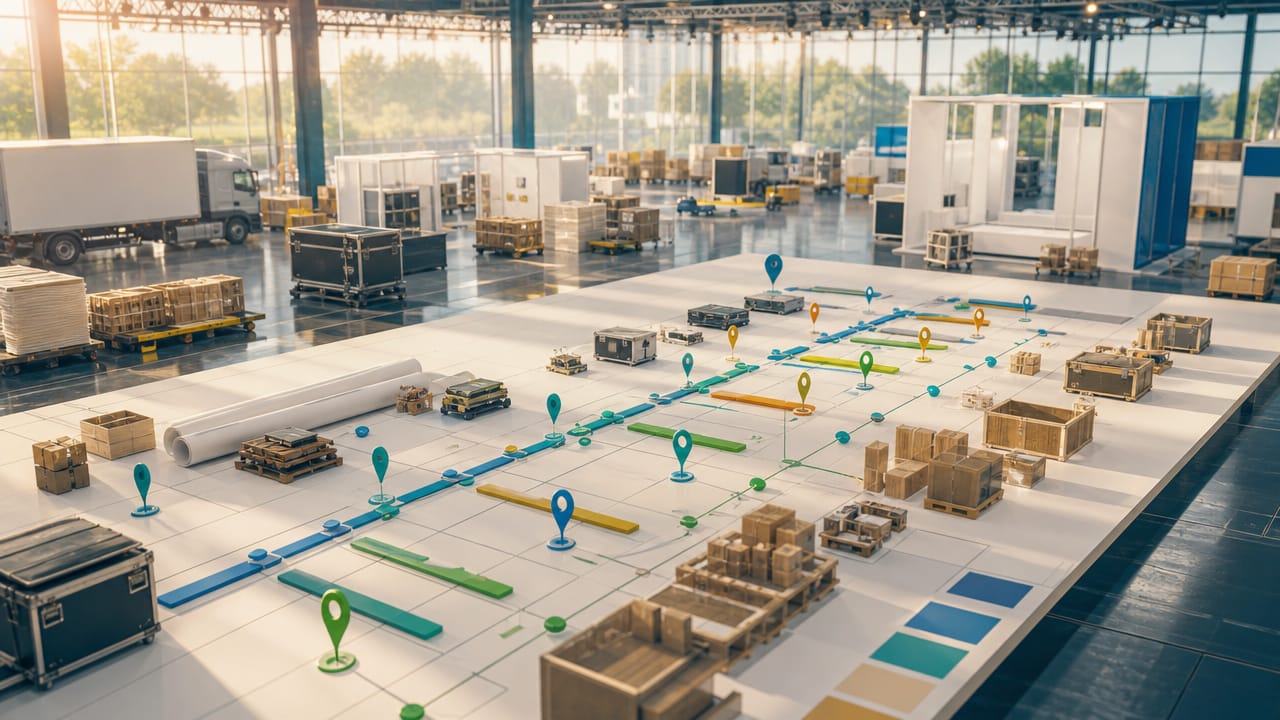
Mode selection will shape both your budget and your schedule, so treat it as a strategic decision, not an afterthought. Sea is usually best for large or heavy stands, especially for australian trade show freight, but can require 8–10 weeks door‑to‑door. Air is faster yet vulnerable to capacity squeezes around global events. For domestic shows, interstate exhibition transport planning by road can still be derailed by weather or industrial action, so add realistic contingency time to your master plan.
For international trade show logistics, customs is a primary risk point that belongs on your critical path. Decide early whether an ATA Carnet is appropriate and confirm any permits or biosecurity inspections required for timber, fabrics or food samples. Build time for valuation checks, approvals and potential inspections into your exhibition transport schedule. Well‑prepared paperwork not only reduces delays but also limits surprise costs that can blow out your exhibition freight scheduling.
Many venues mandate an official logistics provider for on-site exhibition freight handling, so understand their cut‑offs for warehouse receiving, marshalled deliveries and empty‑case storage. Clarify who is responsible for pack‑down, dangerous goods segregation and labelling before doors open. Plan return transport after exhibitions with the same rigour as inbound, especially if goods are heading to another show, a local distributor, or back to head office in Australia.
Well‑designed timelines turn complex exhibition freight into a controlled project rather than a last‑minute scramble. If your team is stretched, partnering with specialists in Exhibition Logistics and Freight can safeguard critical dates, manage risk, and free your marketers to focus on leads. To protect your next show investment, request a tailored logistics timeline and speak with a specialist about your upcoming Australian and international exhibitions.
Input your search keywords and press Enter.