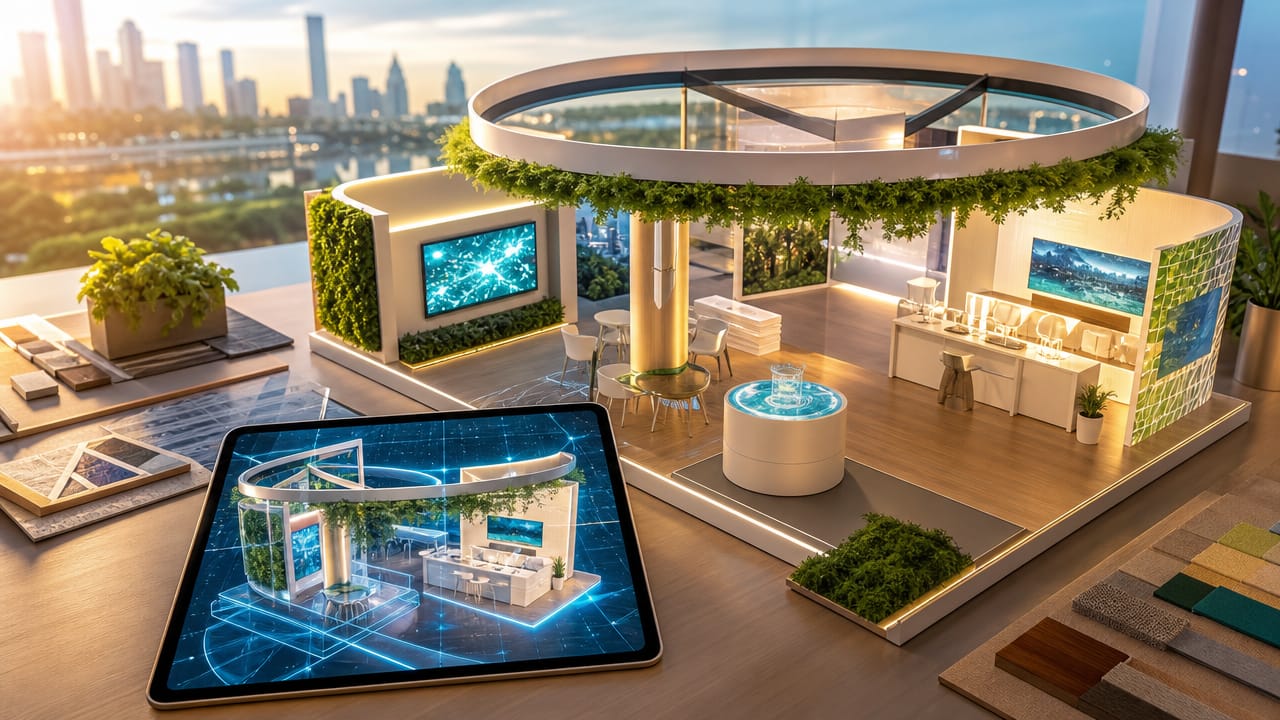



Exploring the Use of Augmented Reality in Stand Experiences is increasingly important for Australian organisations seeking to make exhibitions more engaging and measurable. Augmented Reality (AR) overlays digital information onto the physical world, allowing visitors to explore products, data, and stories in a highly interactive way. When thoughtfully integrated into Exhibition Stand Design, AR can support education, lead generation, and brand building at the same time. This article explains how AR works on the show floor, what to plan for, and how to decide if it suits your next event.
AR helps exhibitors move beyond static graphics towards immersive AR stand experiences that invite visitors to participate rather than just observe. By using smartphones, tablets, or headsets, you can demonstrate complex equipment, visualise construction projects, or simulate software workflows with clarity. This approach is particularly valuable in sectors such as infrastructure, mining, health, and technology, where physical samples are hard to transport. Well-designed experiences can also improve augmented reality visitor engagement by increasing dwell time and information recall.
AR can be integrated into both modular and custom exhibition stands to support different objectives. Product-focused exhibitors might use AR product demo booth design to show internal components, safety procedures, or multiple configurations in a small footprint. Service-based organisations can create layered narratives that reveal project milestones, community benefits, or sustainability outcomes as visitors move around the space. For brands experimenting with exhibition booth design, AR can reduce the need for bulky physical displays while still offering depth and interactivity.
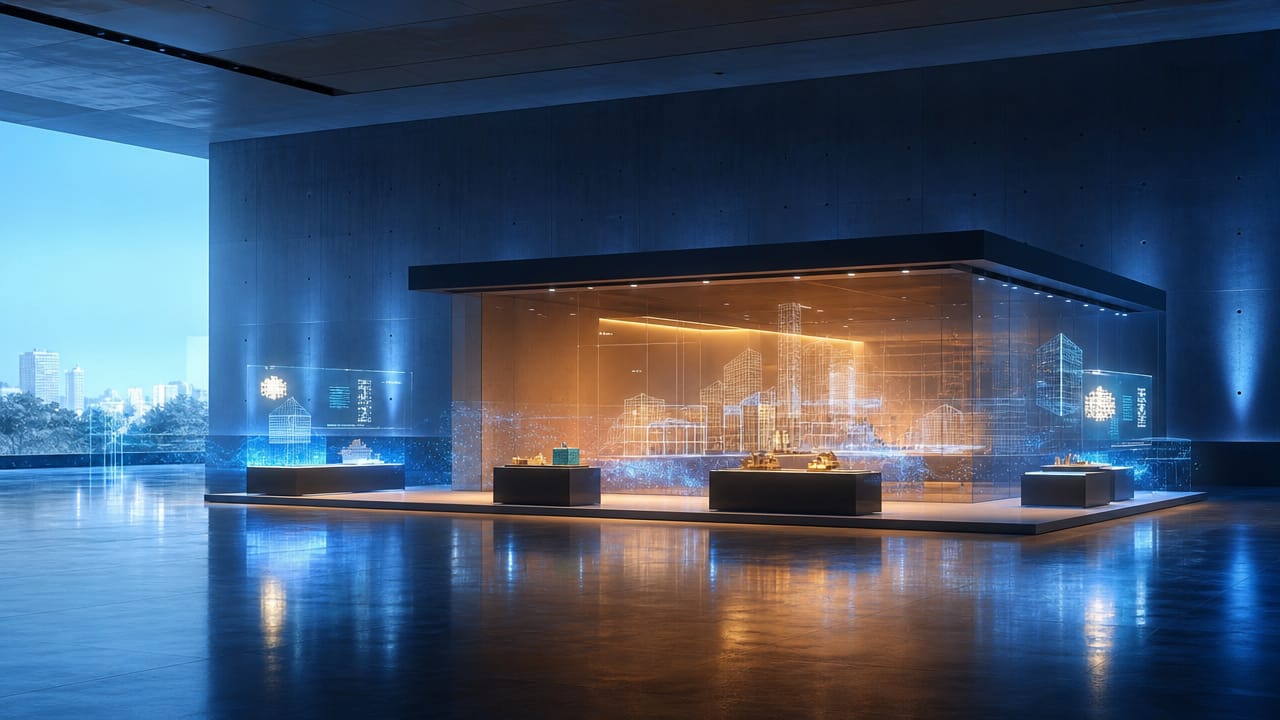
Most Australian exhibitors deliver AR via a simple WebAR link or QR code, avoiding the need for visitors to download apps. Guests scan a marker on the wall, floor, or product plinth to trigger content such as 3D models, videos, or guided tours. Careful planning of augmented reality exhibition layouts is crucial so that digital content aligns with physical touchpoints and traffic flows. Exhibitors should also test AR wayfinding in exhibition booths when directing visitors between zones such as demos, meeting areas, and theatres.
AR brings measurable benefits, including richer data on visitor behaviour and clearer product understanding. It can also support AR-enhanced custom stand visuals that change by audience segment, language, or industry. However, there are limitations, such as content development costs, device compatibility, and the need to support less tech-confident attendees. When exploring exhibition stand ideas, start with one or two focused AR journeys that align directly with your event objectives rather than trying to digitise everything at once.
Planning an AR-enabled stand starts with clarifying what success looks like for your organisation. Are you aiming for qualified leads, deeper technical education, or stronger brand perception? Map these goals to specific experiences and decide which stories are best served by physical displays and which are ideal for interactive AR trade show stands. Collaborate early with your designer so mixed reality display concepts, lighting, and sightlines are considered as part of the overall Exhibition Stand Design, not added at the last minute.
If you are unsure where to begin, consider a pilot activation that focuses on a single product range or project story. Use the event to gather feedback from visitors and staff about usability, clarity, and perceived value. After the show, review analytics such as scans, time spent, and content completion rates to refine your next AR deployment. To make more informed decisions about integrating AR into your next event, consider speaking with an exhibition specialist who can help align technology choices with your broader stand strategy and visitor experience goals.
Input your search keywords and press Enter.