



Expert tips for interstate transport of exhibition equipment in Australia start with understanding how unforgiving event timelines can be. With exhibition freight moving between major hubs like Sydney, Melbourne, Brisbane and Perth, organisers must juggle tight access windows, long distances and venue regulations while keeping fragile assets intact. A misjudged route, poor packing choice or unclear paperwork can lead to missed bump-in times and costly reprints or repairs.
Interstate exhibition transport is rarely a simple point‑to‑point job; it must align with venue loading dock logistics, contractor availability and strict bump-in and bump-out slots. Seasonal peaks around major expos can reduce capacity and drive up prices, especially for specialist carriers. Businesses also face variations in road quality, regional weather and local permit rules across state borders. Effective interstate exhibition freight planning therefore combines route selection, contingency buffers and coordination across suppliers.
Many organisers now turn to providers dedicated to trade show logistics rather than general carriers, particularly when shipping custom stands, AV walls and lighting truss. These operators understand event freight delivery schedules, have drivers trained in venue protocols and often provide direct-to-stand services. For bulkier or less fragile materials, consolidated road or rail services can be more economical, especially between capital cities. This model works well where transit time is less critical, and return freight for exhibition stands can be bundled to reduce overall spend.
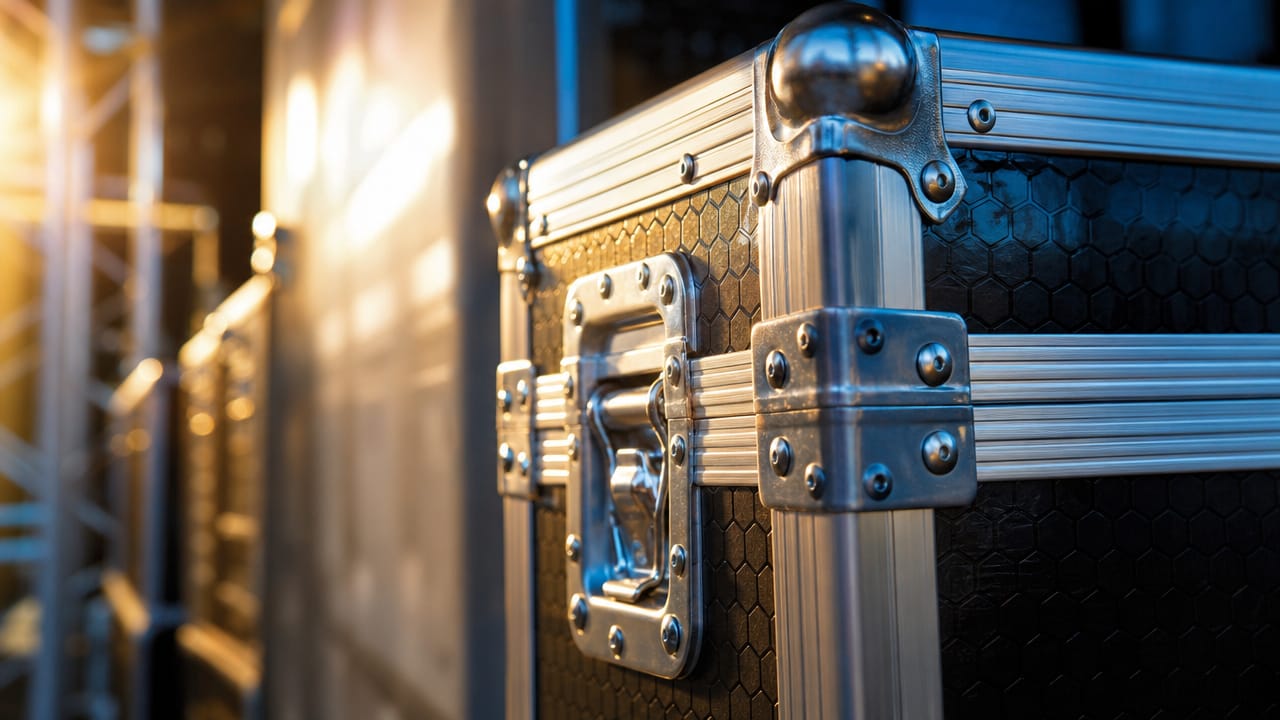
When deadlines tighten, express road or domestic air services can safeguard critical components and last‑minute marketing materials. These options are valuable for handling delayed trade show shipments, where even a few hours’ delay can jeopardise an opening. Whatever mode is chosen, secure packing for exhibition transport remains non‑negotiable, with foam‑lined cases, corner protection and clear labelling essential for AV, lighting and modular structures. Many providers now bundle temporary storage for trade show displays, forklifts and labour into end‑to‑end solutions that streamline bump-in and bump-out.
When comparing exhibition transport options, decision‑makers should weigh reliability, tracking tools, after‑hours support and the provider’s event‑specific track record. Coordinating exhibition freight suppliers under one lead partner often reduces miscommunication and handover damage. It is also worth asking how the carrier manages claims, backup vehicles and rerouting if disruptions affect interstate routes. For organisations running multi‑city campaigns, expert guidance can reveal whether specialist carriers, consolidated services or a hybrid model best align with risk, budget and schedule. Speaking with an experienced logistics partner can clarify the most resilient mix of modes for your next show.
To explore tailored solutions, compare carriers and refine your planning approach, consider speaking with an exhibition freight specialist who can review your schedule, freight profile and risk tolerance. A short consultation can highlight practical steps to tighten timelines, improve packing and coordinate suppliers before your next roadshow or major expo.
Input your search keywords and press Enter.


