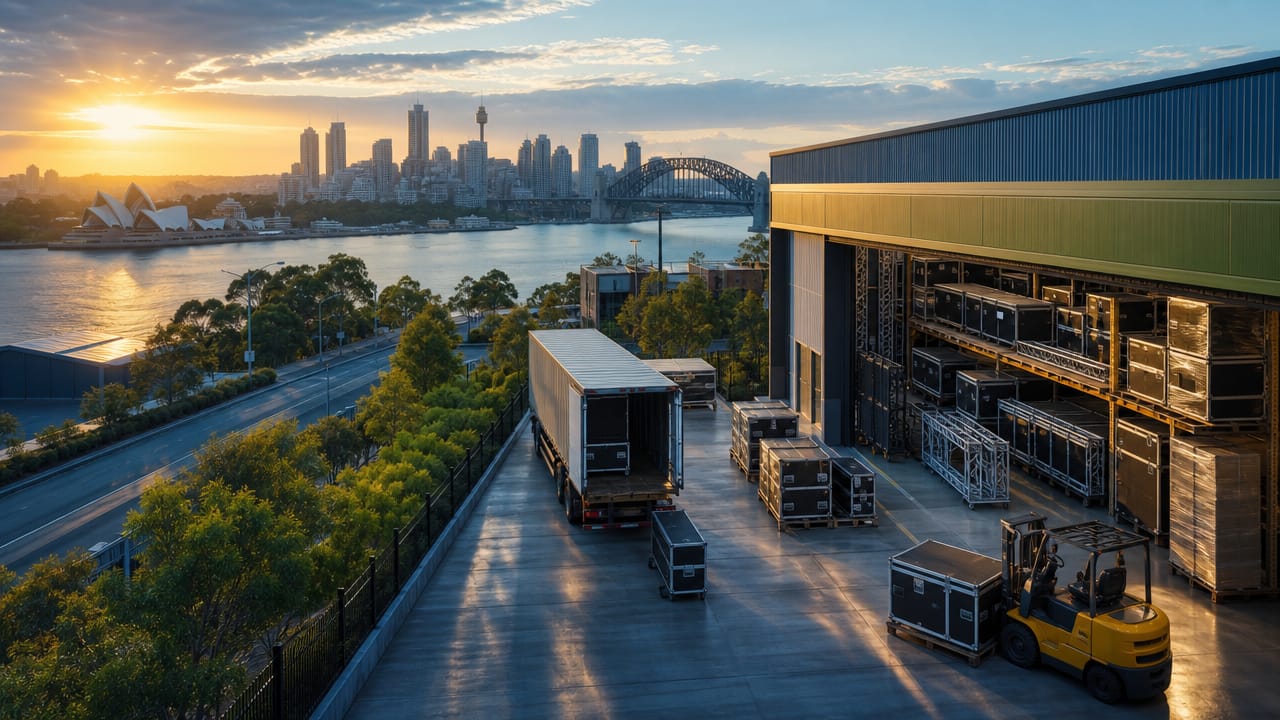



Storing exhibition equipment in Australia has become a strategic issue for organisers, agencies, and exhibitors who move between cities on tight schedules. Choosing the right approach to storing exhibition equipment in Australia can protect high-value assets, smooth out complex logistics, and prevent last-minute scrambling before a major show. As exhibition programs expand nationally, businesses are weighing different storage and freight models to keep costs down without compromising reliability or security.
Most organisations sit somewhere on a spectrum between ad hoc, short-term storage and fully managed, long-term warehousing. On-site venue storage is often limited to a few days and suits smaller stands or single-city events, but it offers little control over inventory or security. Self-storage units provide low-commitment space yet rarely include racking, stock records, or help handling bulky exhibition materials. Purpose-built warehouse storage for displays, paired with professional exhibition freight services, can centralise assets between multiple campaigns.
With custom stands, LED walls, and AV equipment easily running into six figures, secure exhibition storage solutions are no longer a nice-to-have. Australian facilities catering to trade show logistics routinely employ 24/7 CCTV, access control, and monitored alarms, along with segregated loading zones. Climate control is critical for electronics, printed graphics, textiles, and timber that can suffer heat, humidity, or dust damage. Professional packing, custom crates, and palletisation help minimise exhibition freight delays by reducing damage disputes and rework between events.
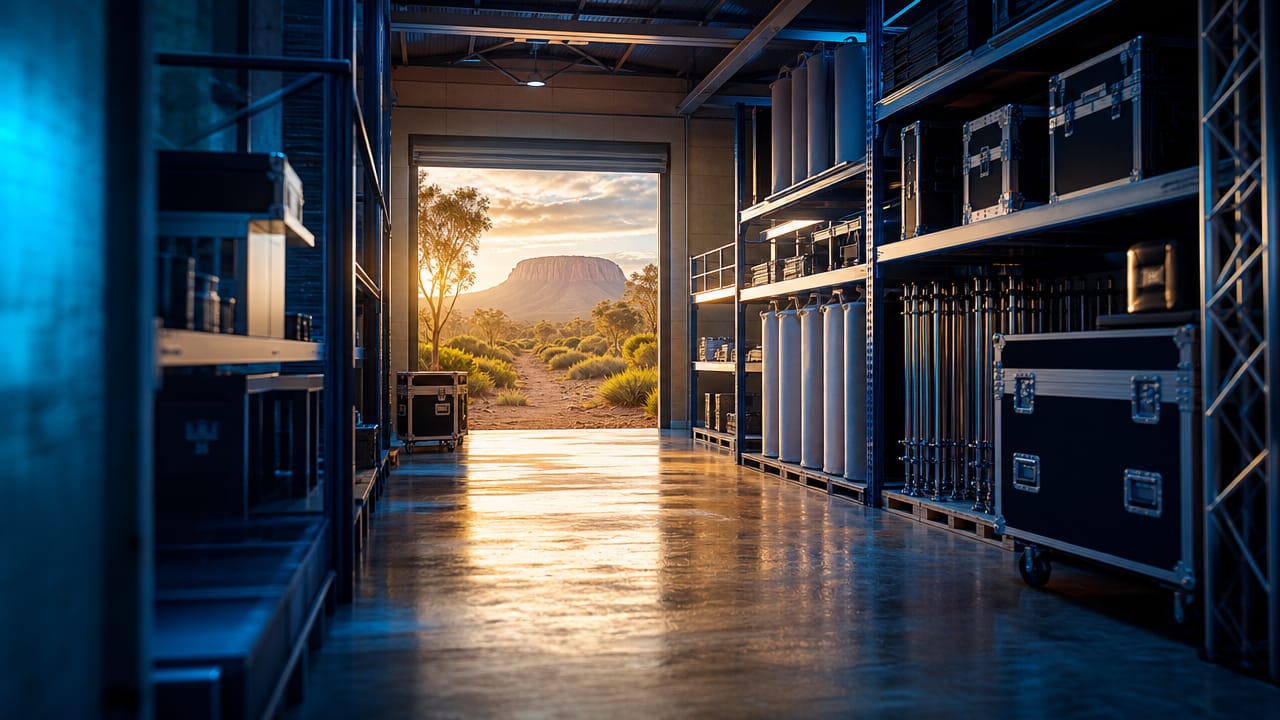
For touring programs spanning Sydney, Melbourne, Brisbane, Adelaide, and Perth, storage location directly affects both cost and stress levels. Facilities positioned near major freight corridors, ports, and airports can support timed delivery to exhibition venues and rapid turnaround between shows. When providers combine storage with Exhibition Logistics and Freight, exhibitors gain a single point of accountability for packing, dispatch, interstate trade show transport, and return transport after events. This integrated approach is especially valuable when schedules are tight or when multiple stand variants are rotating nationwide.
Specialist providers become more cost-effective once your assets exceed a single truckload or you’re managing several shows across different Australian cities each year. They can pre-assemble or test critical components, document condition before dispatch, and coordinate both outbound and return movements from one control point. To move forward confidently, review your exhibition calendar and asset list, then compare storage models and service levels. Finally, speak with an expert about your risk profile and budget so you can shortlist partners and book a consultation to trial a managed solution before committing long term.
Input your search keywords and press Enter.