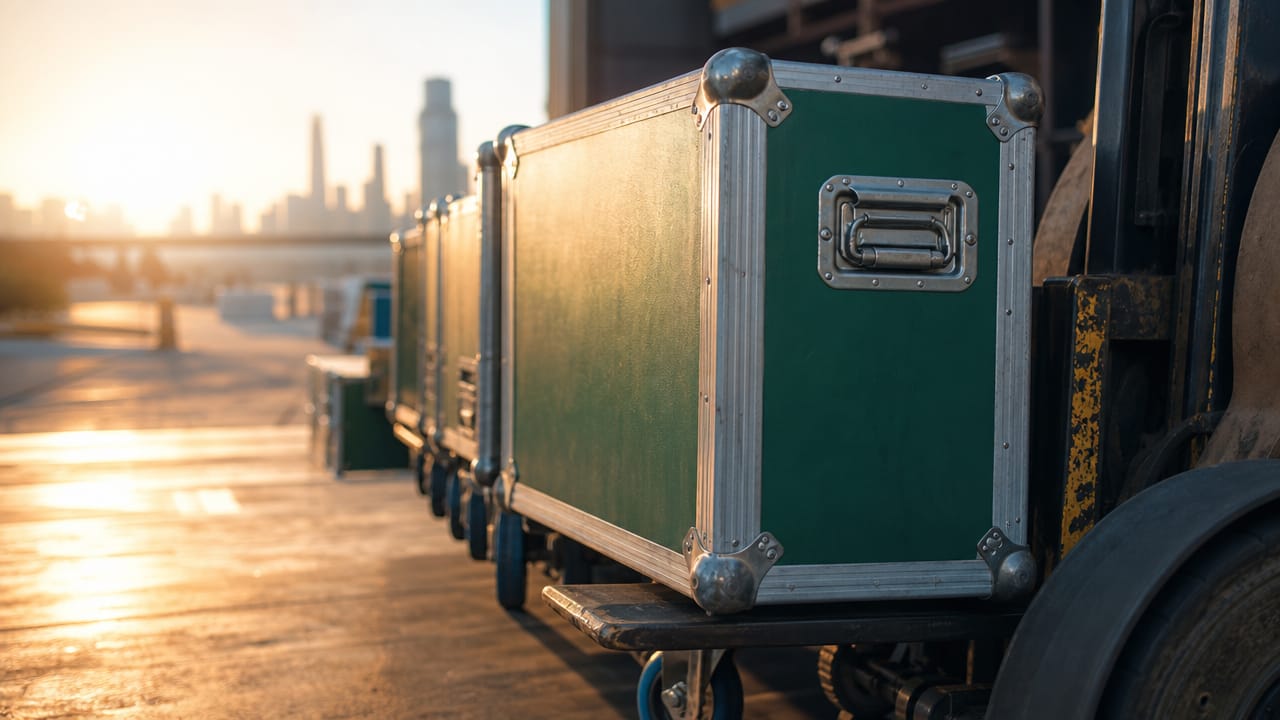



Freight handling at Australian trade shows is often left until the last minute, yet it quietly determines whether months of marketing investment pay off. When Exhibition Logistics and Freight are poorly planned, even the best-designed stand can be left sitting in a depot, stuck at customs, or stranded at the wrong dock. Exhibitors attending major events in Sydney, Melbourne, Brisbane or Perth face tight access windows, complex rules and significant penalties if freight turns up late, incomplete or damaged.
Australia’s leading venues operate on strict trade show freight schedules, with limited access to event venue loading docks and marshaling yards. If your shipment misses its slot, you may be hit with overtime handling fees, forced to accept a bare stand, or watch competitors set up while you chase missing cases. Delays can be worse for interstate trade show freight, where distance and weather disruptions compound already tight timelines. For exporters, a single error in customs documentation can trigger storage charges and missed show days.
Common red flags emerge long before a truck reaches the venue. Many exhibitors rely on generic carriers with no experience in exhibition freight, assuming “any courier will do” if pickup is booked early enough. Others lack a written logistics timeline aligned with organiser deadlines, flights and venue access rules. Informal arrangements, such as staff moving cases through public areas instead of using on-site exhibition freight handling contractors, often lead to OH&S issues, damage and refused entry at controlled docks.
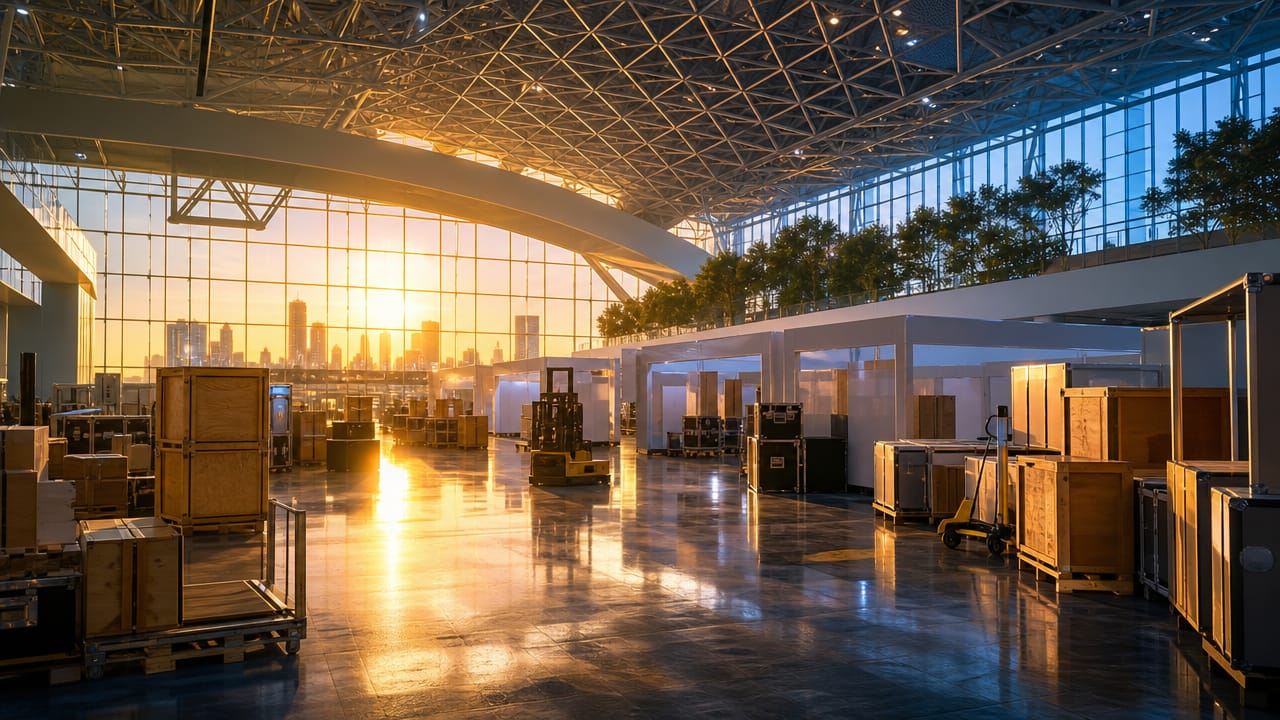
Choosing the cheapest quote can be a false economy when it comes to exhibition transport and handling. Unbudgeted overtime, storage, re-delivery, demurrage and inspection fees regularly wipe out savings made on base rates. Many carriers only offer kerbside delivery, leaving teams scrambling for trolleys or forklifts at the last minute. In contrast, specialist exhibition transport services Australia understand union rules, venue-specific regulations and safe work practices, and can coordinate secure storage for exhibits plus return freight from exhibitions to avoid post-show bottlenecks.
Recognising these warning signs early allows Australian exhibitors to reassess how they manage exhibition transport before money is lost on avoidable disruptions. Reviewing past shows for damage, late arrivals or unexpected fees can reveal recurring patterns that signal deeper process gaps. If your team is unsure who owns each step of on-site handling, or how freight is consolidated and labelled, it may be time to seek expert guidance and tighten your plan before the next event.
Before you lock in your next exhibition, take an hour to map your current freight process from warehouse to stand and back again. Identify where timings, responsibility and risk are unclear, and speak with a specialist who can stress-test your assumptions. A short consultation can prevent costly surprises and ensure your displays, AV and samples arrive on time, intact and ready to perform at your next Australian trade show.
Input your search keywords and press Enter.