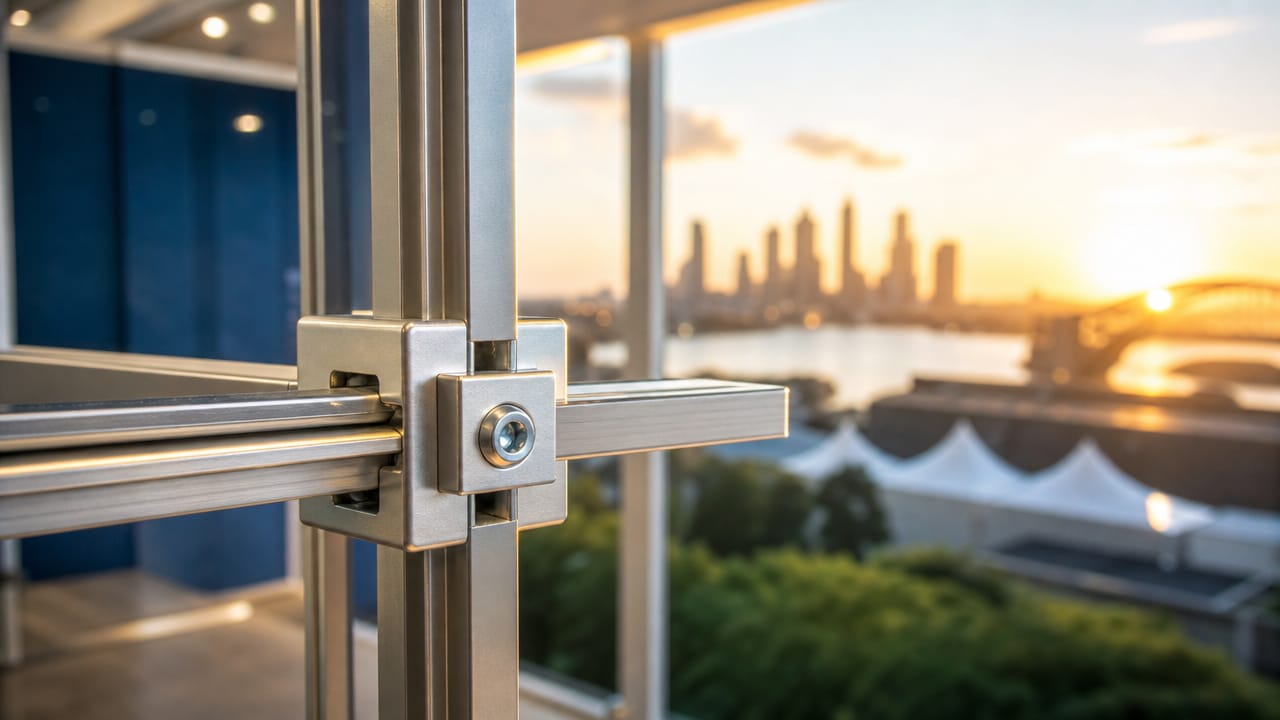



DIY display solutions are reshaping how Australian marketers approach Shell Scheme Stands, turning previously generic structures into high-performance brand environments. In a climate of rising exhibition costs and leaner teams, hands-on design and fabrication are no longer just money-savers; they are strategic levers for control, speed, and long-term reuse across national event calendars.
In a standardised exhibition hall, differentiation is rarely about footprint; it is about the intelligence of what you build within the frame.
Effective shell scheme displays start with a sharp commercial objective, not with hardware shopping. Whether the priority is qualified lead volume, product validation, or partner engagement, that focus should dictate zoning, signage hierarchy, and technology choices. Marketers who map the visitor journey first can then specify shell scheme graphics, counters, and lighting to choreograph attention, conversation, and data capture rather than simply “filling space”.
The most effective DIY shell scheme ideas treat the aluminium frame as a chassis for an immersive brand experience. Tension-fabric panels, portable shell scheme backdrops, and cohesive shell scheme wall branding can hide visual clutter while reinforcing key narratives. When combined with modular furniture and considered traffic flow, even a compact footprint can support demos, conversations, and private discussions without feeling cramped or chaotic.
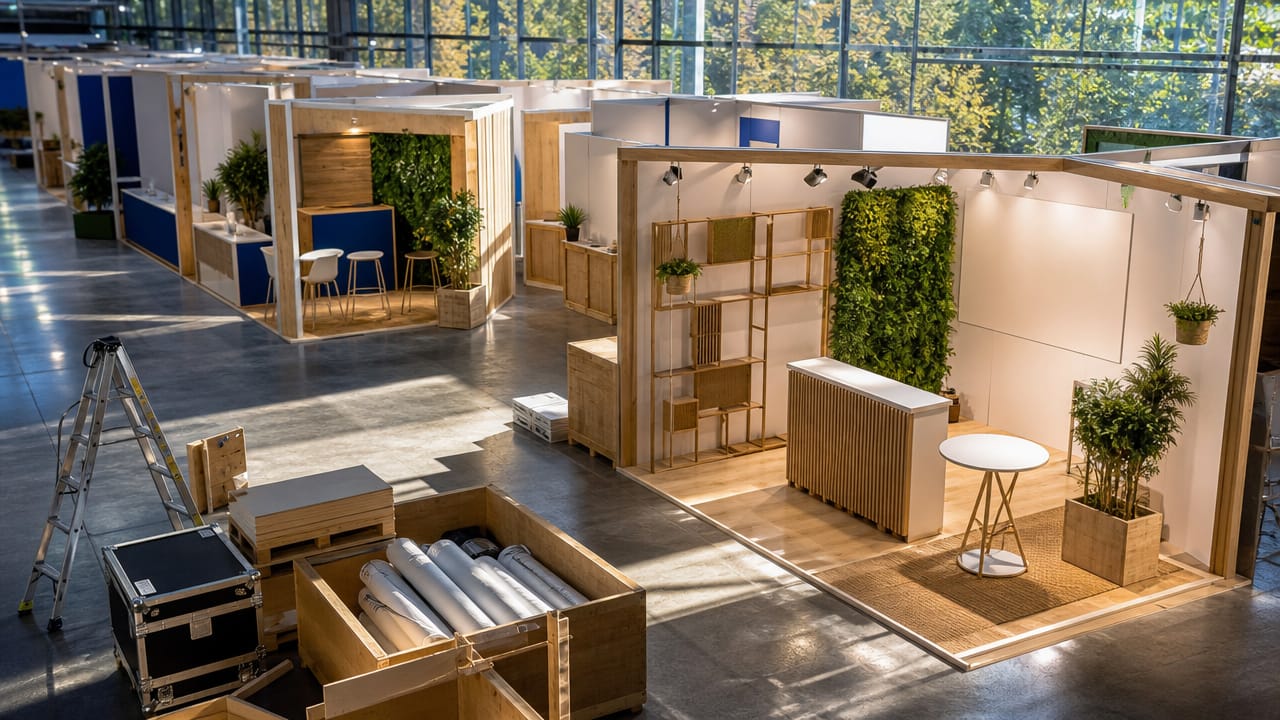
Forward-looking teams view budget shell scheme design as an asset rather than a compromise, prioritising components that flat-pack, re-skin, and reconfigure across different venues. Modular shell scheme signage, self-install shell scheme graphics, and re-usable plinths reduce both waste and dependency on local contractors. Over multiple shows, this approach can materially lower cost per lead while strengthening brand consistency and operational resilience.
From a practical angle, Shell Scheme Stands demand early alignment with venue rules on fixing methods, power, and fire ratings before any cutting or printing begins. Prototyping space-saving shell scheme displays in the office and stress-testing small shell scheme booth tips—such as concealed storage, cable management, and calibrated lighting—minimise onsite surprises. To stay ahead, marketers should regularly audit their current kit, challenge legacy assumptions, and plan the next evolution of their shell scheme booth as deliberately as any major campaign. Review your existing assets, identify gaps in experience design, and convene your team to architect a smarter, more strategic DIY exhibition presence.
Input your search keywords and press Enter.