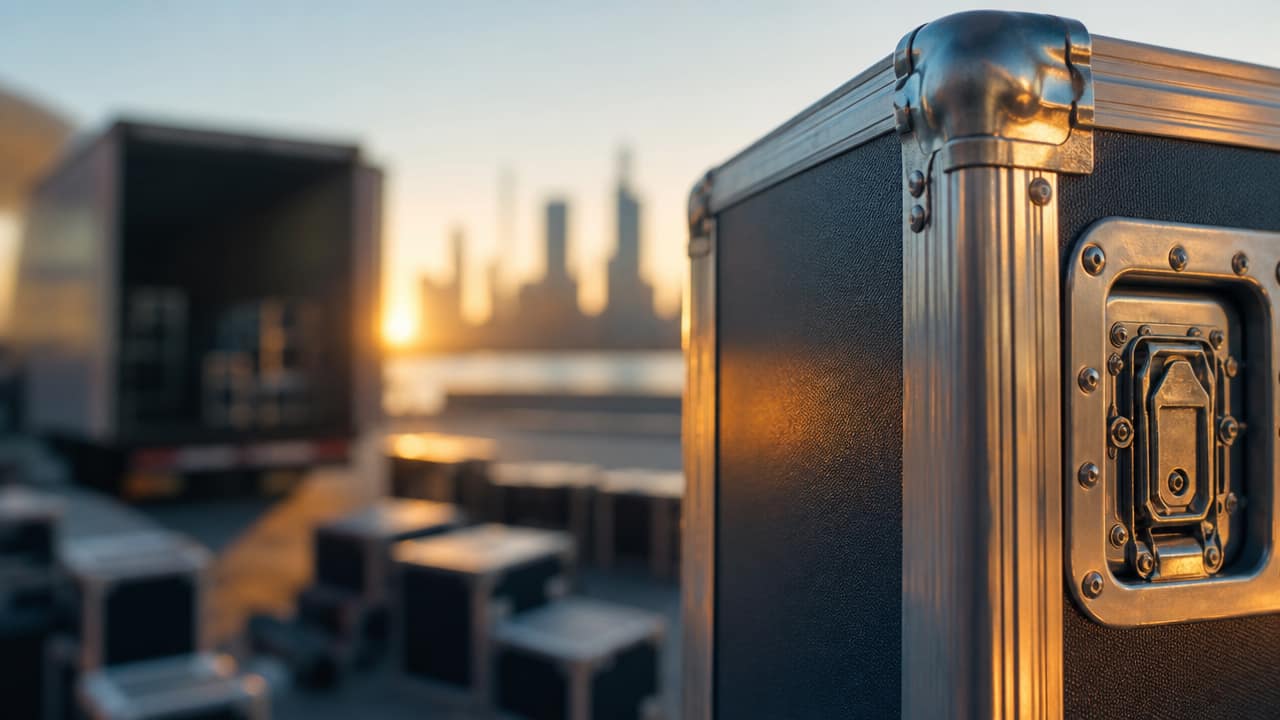



Dismantling Logistics: Best Practices for Exhibitors in Australia
Dismantling logistics is often the most overlooked phase of a show, yet it is where the bulk of damage, delays and disputes occur. In Australia’s major venues, from Sydney Olympic Park to the Melbourne Convention and Exhibition Centre, the pressure of tight bump-out windows and crowded docks magnifies every weak point in a plan. Exhibitors focusing only on bump-in and stand design can miss how costly a poorly managed pack-down becomes once the hall closes and the rush begins.
When dismantling is treated as an afterthought, exhibitors are exposed to a chain of avoidable costs. Late departures can attract storage penalties, overtime labour charges and missed trade show freight schedules that throw out wider marketing plans. Australian venues are increasingly strict about rubbish, abandoned materials and blocked aisles, which can trigger additional fees. For businesses running back-to-back shows, one delayed shipment can mean missing the next event entirely and losing critical sales opportunities.

The most common dismantling failures arise around paperwork, labelling and assumptions about who is doing what. Freight forwarders routinely report misplaced items, incomplete customs forms and last-minute changes to exhibition transport bookings once the show closes. In Australia, biosecurity rules and re-export documentation still apply even if your freight is simply heading back to your warehouse. Misjudging crate sizes, weights or access heights can force emergency equipment hire and slow every truck waiting at the venue loading dock logistics queue.
Warning signs usually appear weeks before the event, but are easy to ignore. If discussions about trade show logistics focus solely on inbound movements and stand build, the bump-out phase is already at risk. Another red flag is assuming your provider will automatically manage interstate exhibition transport or return exhibition freight services without detailed instructions. Misunderstandings around who controls exhibition stand freight handling, especially when multiple agencies are involved, often surface only when trucks are queuing at the dock.
Australian exhibitors can reduce these risks by weaving dismantling logistics into every stage of planning. This means confirming time-sensitive trade show freight requirements, pre-printing labels and customs forms, and briefing teams on door-to-venue exhibition delivery and collection processes. For complex stands or international freight, engaging specialists in Exhibition Logistics and Freight can help ensure compliance and coordination. Before your next show, review your dismantling checklist, clarify responsibilities and speak with an expert so your freight leaves the hall on schedule instead of becoming an expensive problem left on the dock.
Input your search keywords and press Enter.