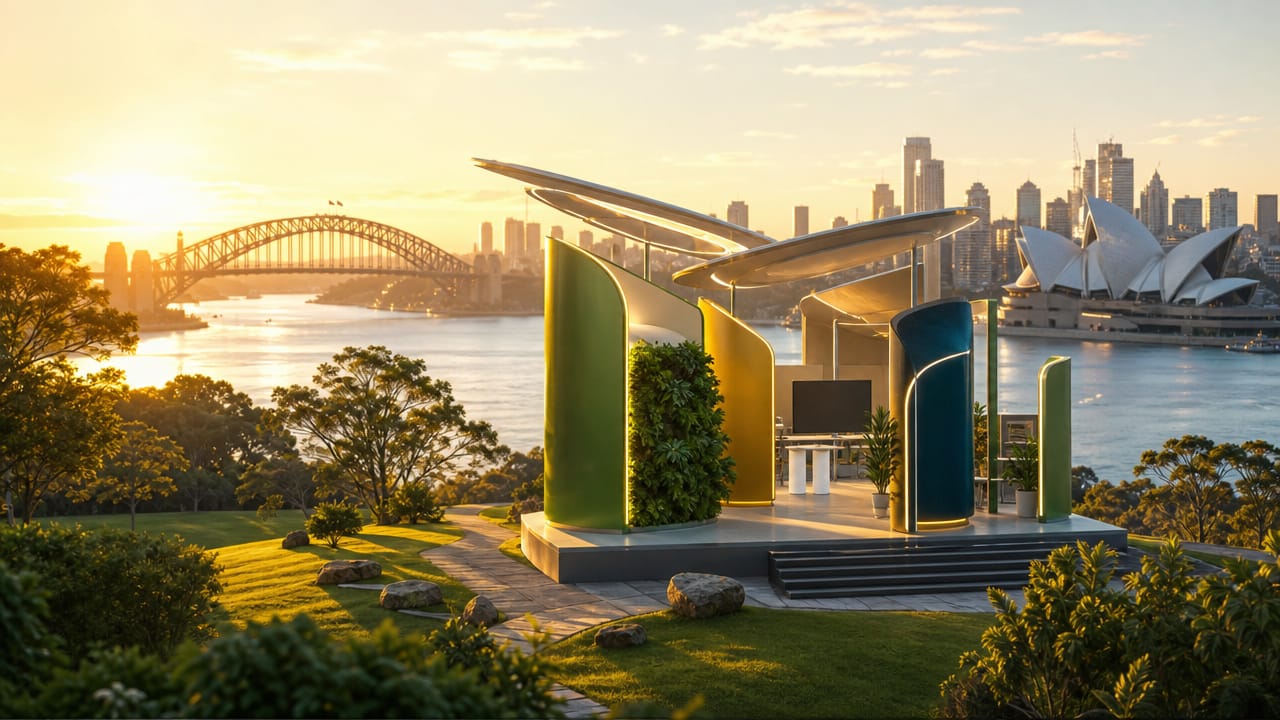



Designing for different objectives at trade shows is still an under-appreciated discipline in Australia, where many brands invest heavily in Exhibition Stand Design without a clear purpose. Too often, the stand becomes a static backdrop rather than a tool to achieve specific marketing goals. In a climate of tighter budgets and rising build costs, failing to align design with objectives exposes businesses to wasted spend, poor data capture and minimal long-term impact.
The core problem is that many exhibitors treat every event the same, regardless of whether they are chasing awareness, leads or relationships. A visually impressive stand can still underperform if the layout, messaging and flow do not match the primary goal. When teams walk away with a handful of unqualified contacts and no meaningful insights, it is usually a symptom of goal-driven stand layouts being overlooked from the outset.
Trade shows in Australia remain one of the few channels where decision-makers actively seek new suppliers, yet stand design is often left to the last minute. Without a strategy, even high-end exhibition booth design can struggle to cut through noise on a busy show floor. The risk is not just lower foot traffic but the inability to prove return on investment to internal stakeholders. Over several events, this can undermine confidence in live marketing altogether.
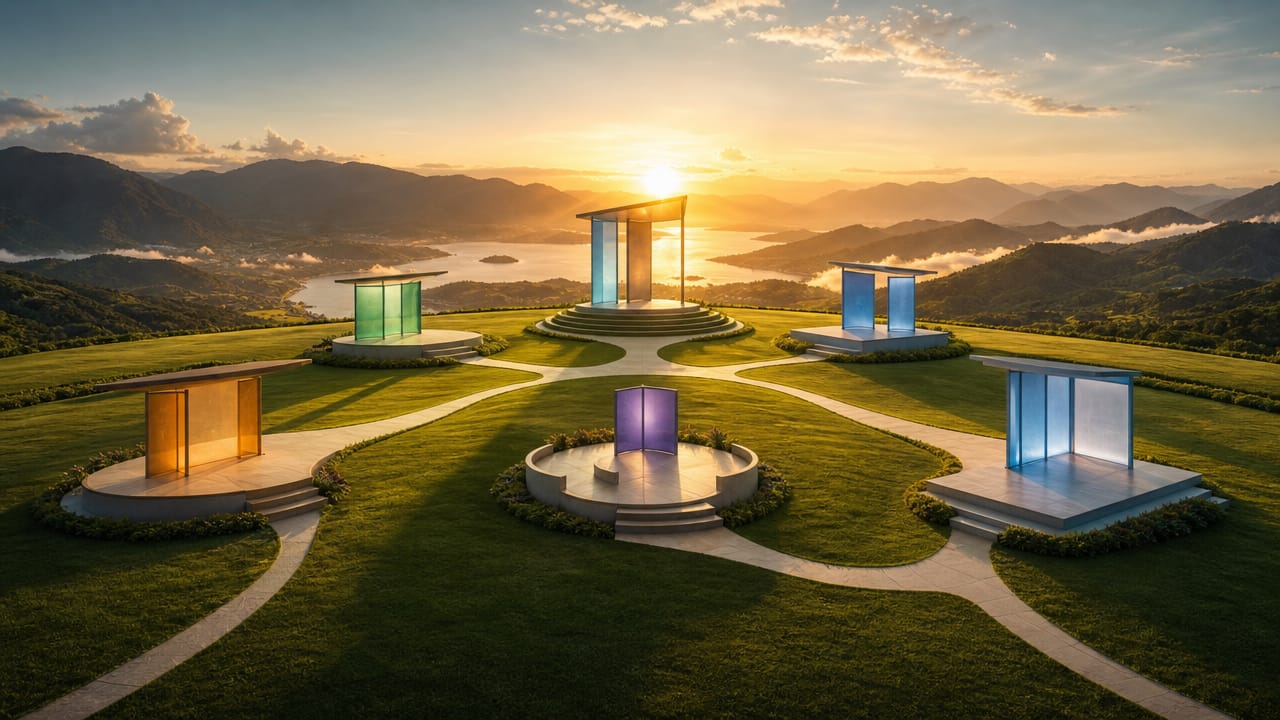
Misalignment shows up in different ways across the hall. Stands chasing brand awareness may invest in high-impact stand graphics and bold lighting but then clutter every panel with text and logos. Others focus on meeting-ready stand designs packed with pods and lounges, only to realise they lack visibility from the main aisles. When staff report that the stand was “busy” but can’t link activity to qualified opportunities, it’s a warning sign that form has trumped function.
These issues are rarely about build quality and more about missing strategy. When Exhibition Stand Design does not start with a clear hierarchy of goals, even the best exhibition stand ideas can fall flat. Common consequences include staff struggling to qualify visitors, demos attracting crowds who never convert and clients walking past because they cannot find space for a meaningful conversation. Over time, this pattern erodes confidence in attending shows at all.
For Australian exhibitors, the opportunity lies in reframing the stand as a working environment aligned to metrics, not just aesthetics. That might mean prioritising circulation for lead capture, acoustics for education sessions or flexible zones that shift between demos and meetings across the day. As expectations for custom exhibition stands rise, engaging expert input early can help diagnose these risks before they are built in. Now is the moment to review your current stand against its true objectives and consider speaking with a specialist to ensure your next show delivers measurable results rather than another year of uncertainty.
Input your search keywords and press Enter.