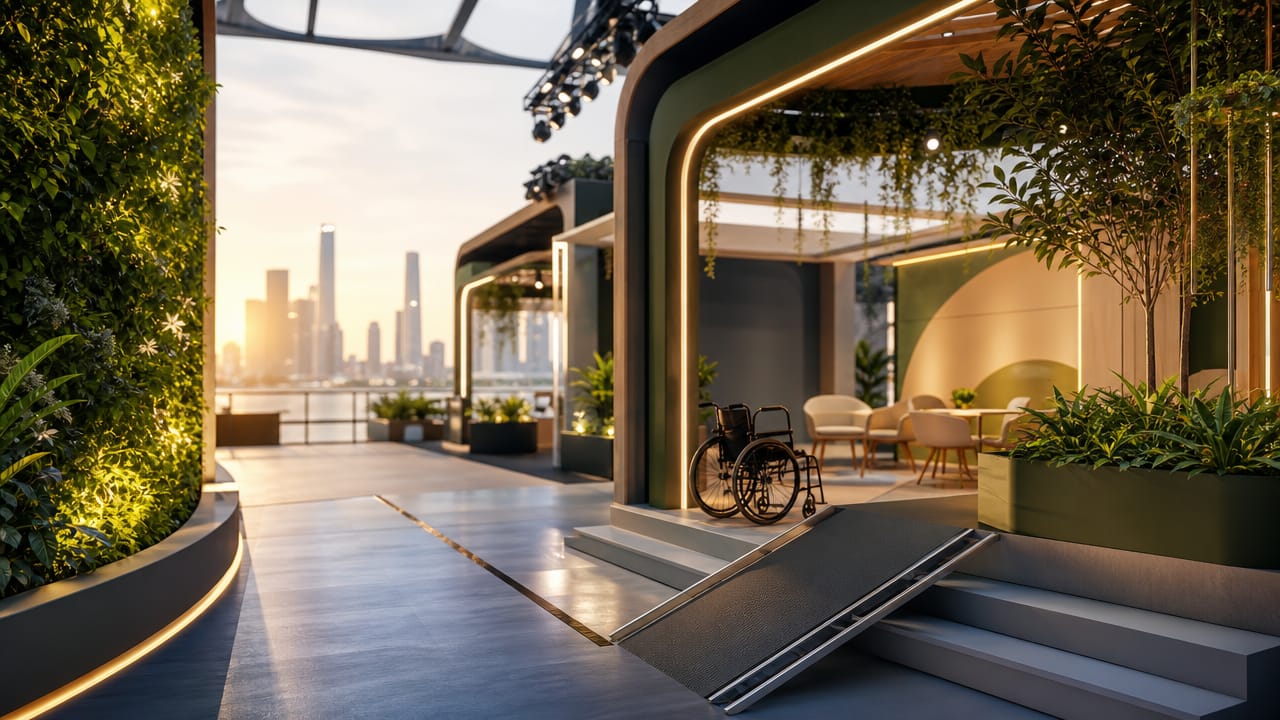



Designing for accessibility is now a strategic imperative for Australian brands on the exhibition circuit. With millions of Australians living with disability, accessible trade show stand design directly influences engagement, dwell time and lead quality. This list of inclusive exhibition stand ideas is tailored for marketers, event managers and brand leaders who want to future-proof their presence and comply with australian standards for accessible booths while still delivering a polished, on-brand experience.
Before diving into styling, start with the fundamentals of inclusive exhibition booth layouts. Map out clear, straight circulation paths at least 1 metre wide, and avoid cluttered corners or dead ends that force visitors to reverse or turn back. Where level changes are unavoidable, specify compliant ramps with handrails and non-slip finishes. Planning with universal design exhibition stands principles reduces risk, improves traffic flow and signals that every visitor is welcome from the moment they approach your stand.
Height and reach are critical for both comfort and dignity. Use dual-height counters so that key touchpoints work for visitors who are seated or standing. Interactive screens, product samples and sign-up forms should sit roughly between 900 mm and 1100 mm from the floor. Ensure there is clear knee space under key surfaces to support wheelchair-friendly custom stands. These adjustments are minor in build terms but major in perceived accessibility, helping you convert more meaningful conversations across diverse audience segments.
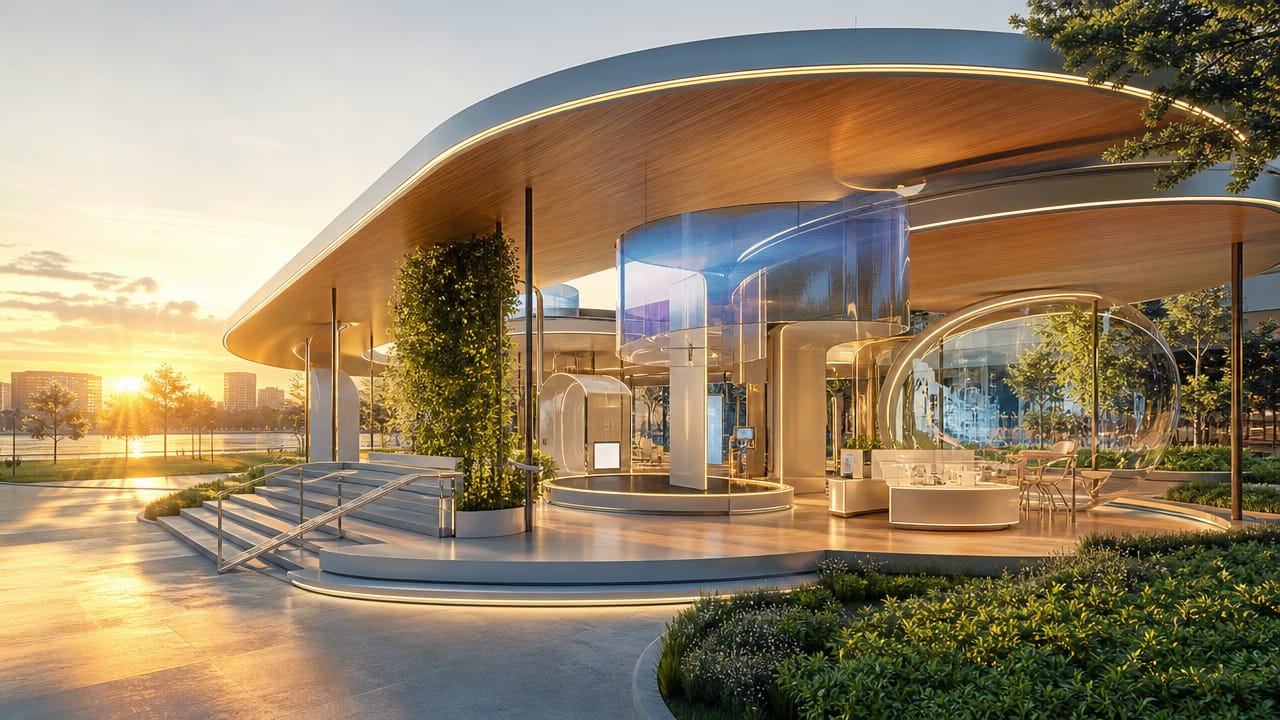
Visual communication breaks down quickly in busy halls if text is small, low contrast or overly stylised. Prioritise high-contrast stand graphics, plain backgrounds and large sans-serif fonts for headlines and key calls to action. Keep copy concise and avoid all caps, which are harder to read for many visitors. On digital screens, enable adjustable text size and contrast settings where possible. These choices don’t just support visitors with low vision; they also help time-poor delegates scan and absorb your offer at a glance.
Accessible stands go beyond visuals by engaging touch, sound and, where appropriate, scent. Tactile signage for exhibits, raised lettering and Braille at entrances and key wayfinding points allow blind and low-vision visitors to navigate independently. Simple tactile maps showing zones for demos, meetings and product displays can increase confidence and dwell time. When planning product demos, consider audio descriptions and hands-on components that help visitors understand features without relying solely on screens or dense brochures.
High ambient noise is one of the biggest barriers at trade shows, particularly around presentation zones. Integrate hearing loop systems into theatres or demo counters and ensure staff know how to activate them. Caption all video content and use visual prompts for major announcements or prize draws. Back up spoken presentations with printed summaries or QR-linked transcripts. These inclusive exhibition stand ideas also benefit international visitors and anyone trying to absorb information quickly between back-to-back sessions.
For brands investing heavily in exhibition booth design, accessibility is now a powerful differentiator rather than a compliance box-tick. From sensory-friendly exhibition spaces to thoughtful staff training, each improvement compounds to create a more welcoming, effective environment. If you’re planning custom exhibition stands for an upcoming event, now is the ideal time to review your Exhibition Stand Design through an inclusion lens, explore new exhibition stand ideas and consider expert support to translate best practice into a buildable, on-brand solution.
Input your search keywords and press Enter.