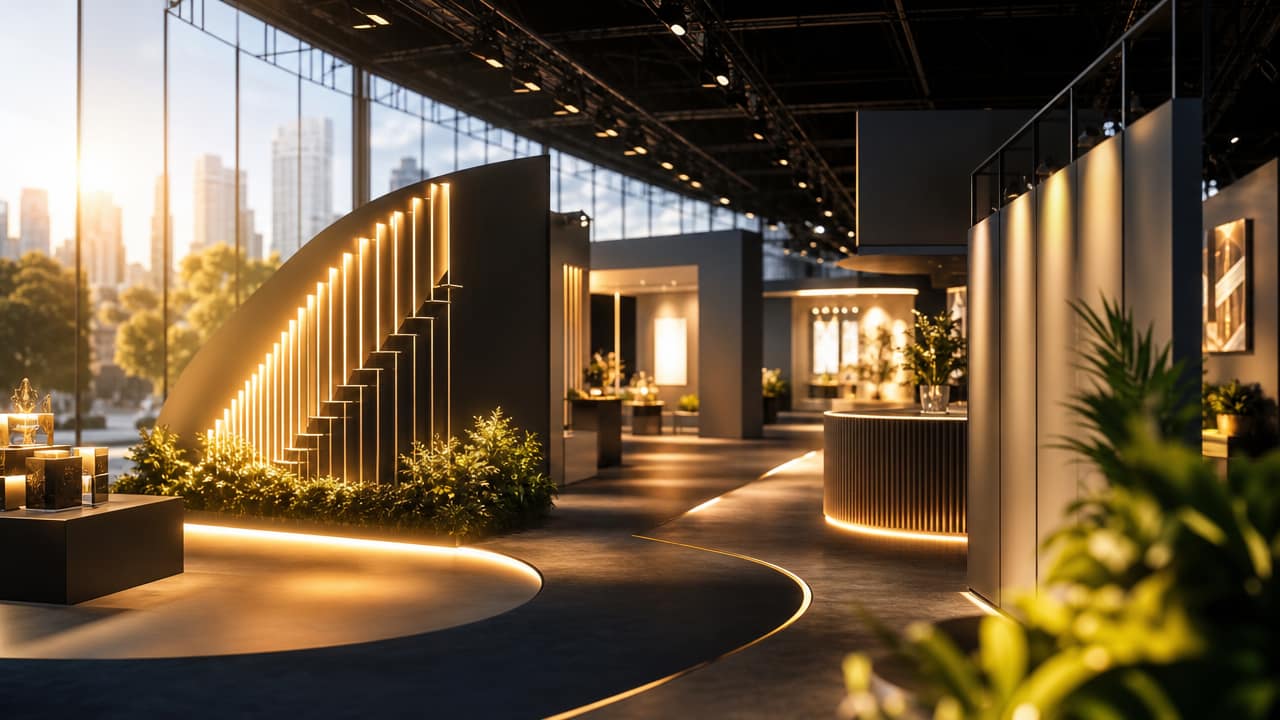



Creating impact on a crowded show floor increasingly comes down to how effectively you use lighting. In Australian Exhibition Stand Design, light has shifted from a basic utility to a strategic storytelling tool that shapes sightlines, mood and dwell time. Exhibitors now treat lighting choices with the same care as layout and graphics, knowing that visitors often decide whether to step in or walk past within a few seconds.
Well-planned illumination guides visitors through a stand, directs attention to key messages and supports accessibility for all audiences. Subtle changes in colour temperature, contrast and beam angle can differentiate premium products, create zones and reduce visual fatigue. For brands investing in exhibition booth design or custom exhibition stands, lighting becomes the layer that unifies architecture, graphics and digital content into a coherent experience.
Ambient lighting for booths establishes a comfortable base level of brightness, helping visitors feel relaxed enough to linger and explore. Layered over this are accent lighting for signage and spotlighting product showcases, which generate focus on hero items, live demos and key narratives. Interactive zones often call for targeted task lighting and carefully tuned trade show lighting design to avoid glare on screens while still keeping faces and controls visible.
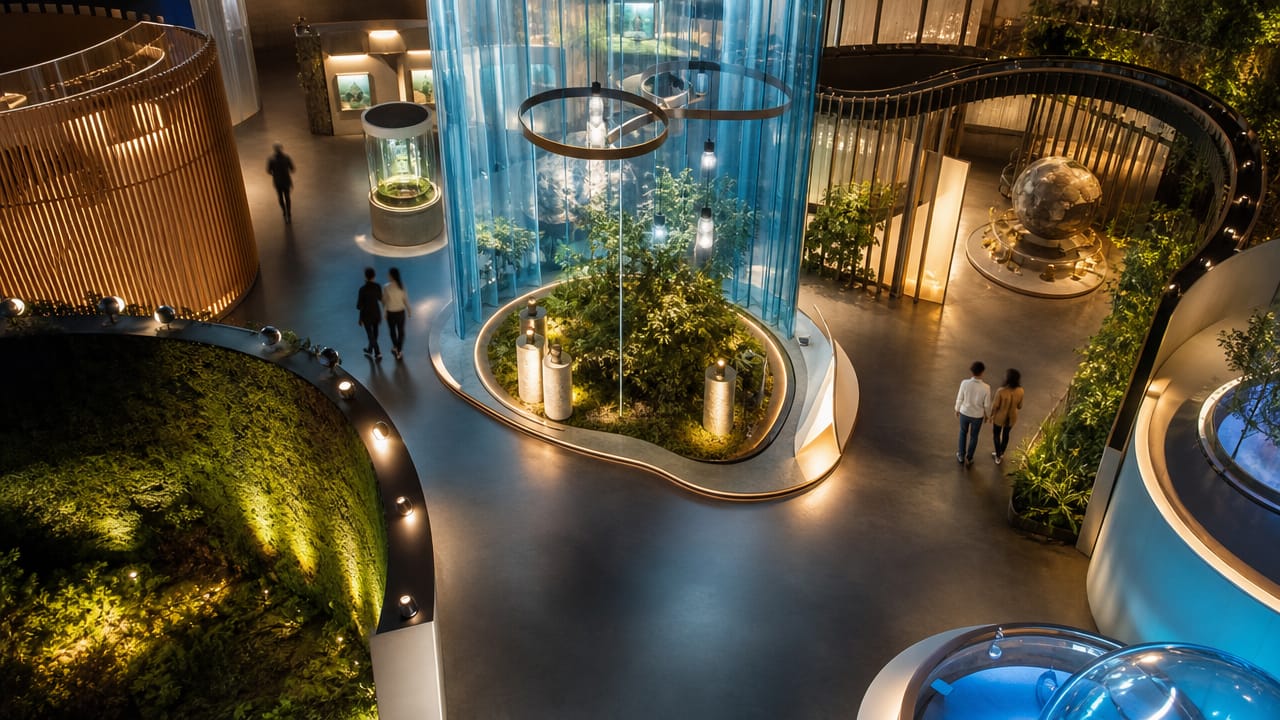
Many Australian stands now use illuminated exhibition displays such as LED lightbox graphics, backlit branding panels and overhead rigs to create a clear visual anchor from across the hall. Dynamic systems with programmable LEDs can phase through colours for timed reveals or presentations, supporting different content throughout the day. At the stand perimeter, lighting for custom stands may be softened to welcome visitors, while higher contrast is reserved for feature zones and product walls.
When exploring exhibition stand ideas, it helps to compare static, decorative and fully programmable approaches side by side. Simple spot tracks are cost-effective and reliable, while integrated systems enable more nuanced control of scenes across zones. However, more complex rigs demand early coordination with designers and contractors to ensure power, control and safety are all resolved before bump-in. This is where expert teams experienced in Exhibition Stand Design can model light levels, test angles and refine the balance between drama and comfort.
Across major Australian venues, brands are turning to consultants to orchestrate lighting around story, product hierarchy and visitor flow rather than treating it as a last-minute add-on. Whether you are planning compact illuminated counters or large-scale LED features, speaking with a specialist can help you weigh options across cost, impact and practicality. If you are preparing your next stand, request a lighting review or design consultation to compare solutions and lock in a strategy that supports your objectives from first glance to final handshake.
Input your search keywords and press Enter.