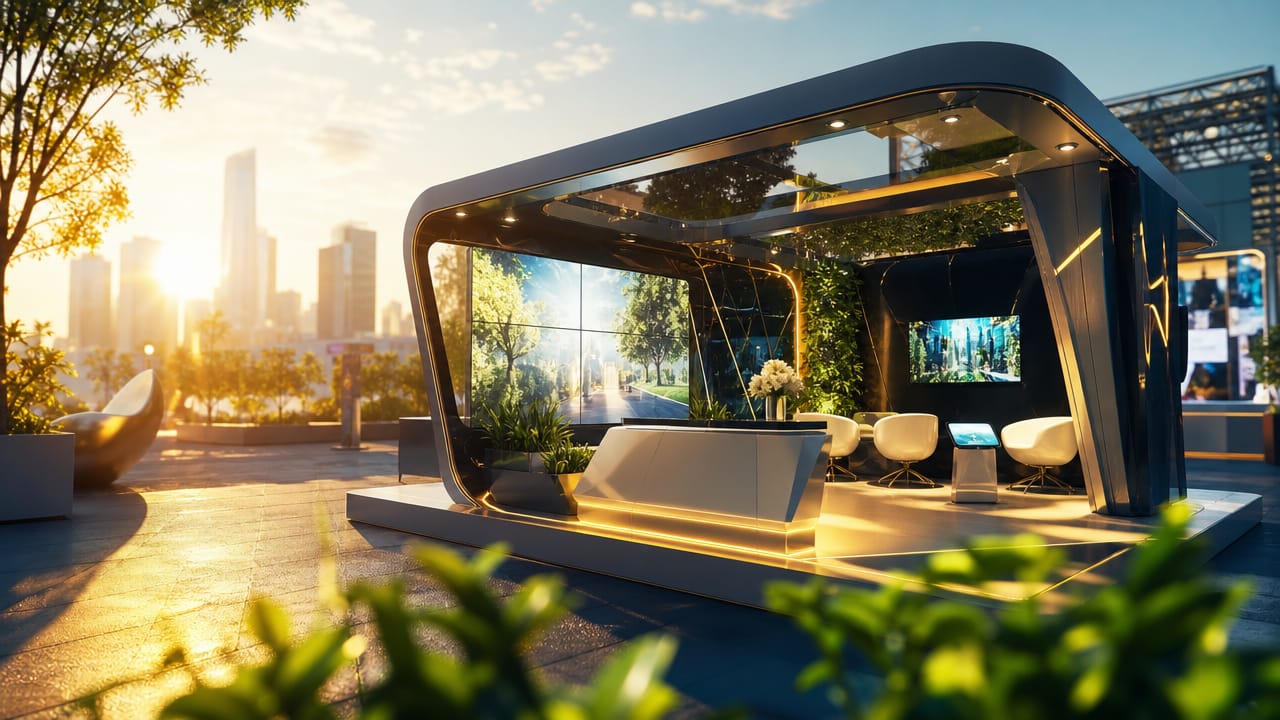



In Australia’s crowded trade show calendar, Exhibition Stand Design is often the quiet factor that separates high-performing exhibitors from those who go unnoticed. Many organisations pour budget into event fees, travel, and promotions, only to underinvest in the space where all that effort converges: the stand itself. When visitors are racing between meetings, a flat or confusing stand can silently drain your opportunity pipeline. The risk isn’t just fewer leads on the day, but a gradual loss of faith in events as a serious marketing channel.
Research shows that visual impact and clarity of message heavily influence who attendees choose to approach. In this context, exhibition booth design is no longer a cosmetic decision; it shapes first impressions, dwell time, and how confident staff feel when engaging prospects. A generic shell scheme with basic signage might technically “tick the box”, but it rarely cuts through. Over a full expo season, even modest improvements in stand performance can translate to significant revenue shifts, especially in sectors with long sales cycles.
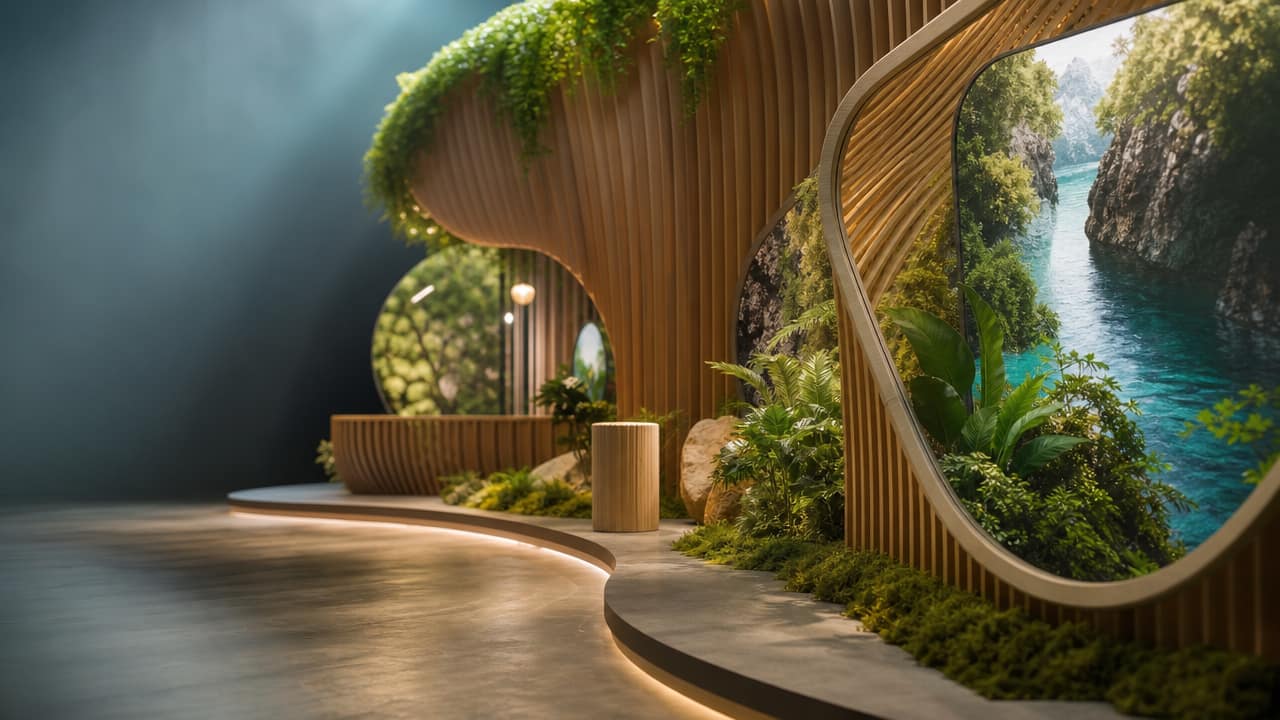
A stand that looks and feels like everyone else’s quietly signals that your offer is interchangeable too. This is particularly damaging for brands trying to justify premium pricing or technical credibility. Teams often report plenty of passing traffic but few meaningful conversations, or they attract a crowd of “freebie hunters” rather than decision-makers. Without distinctive branding graphics for stands or thoughtful storytelling, your most important messages never reach the right ears. Over time, the cost of attending starts to outweigh the commercial return.
These issues are often design-driven, not product-related, which means they are fixable. Poor exhibition stand layout planning can make it hard for visitors to know where to stand, who to talk to, or how to navigate a demo. Open plan booth concepts can backfire if they feel like empty space rather than an intentional environment. At the other end of the spectrum, small footprint stand layouts can become cramped, leaving prospects awkwardly hovering in aisles instead of settling into a focused conversation.
Most underperforming stands are the result of rushed decisions and reused materials rather than a single glaring error. Teams fall back on dated hardware, last year’s graphics, or one-size-fits-all modular exhibition stand ideas supplied by organisers. Without a clear brief linking commercial goals to space, messaging, and product display stand design, the stand becomes a static backdrop. Important elements like lighting design for booths, technology integration, and traffic flow are treated as afterthoughts rather than strategic levers.
Misconceptions also play a role. Many exhibitors assume custom exhibition stands are always prohibitively expensive, or that bold exhibition stand ideas are only relevant for consumer shows, not B2B audiences. In reality, even modest tweaks to sightlines, focal points, and product placement can dramatically change engagement. When teams neglect to review data from previous events, weak setups are simply repeated, meaning you may wait another year to correct avoidable mistakes.
Recognising these warning signs early allows you to reset your approach before the next major show. Speaking with a specialist in Exhibition Stand Design can help translate sales and marketing objectives into a stand that actively supports your team on the floor. Consider how your current exhibit performs against the points above, then assess whether expert guidance, fresh creative thinking, or a more intentional strategy could unlock better results. Before your next expo, take the time to review performance, ask hard questions, and book a consultation so your stand works as hard as your people do.
Input your search keywords and press Enter.