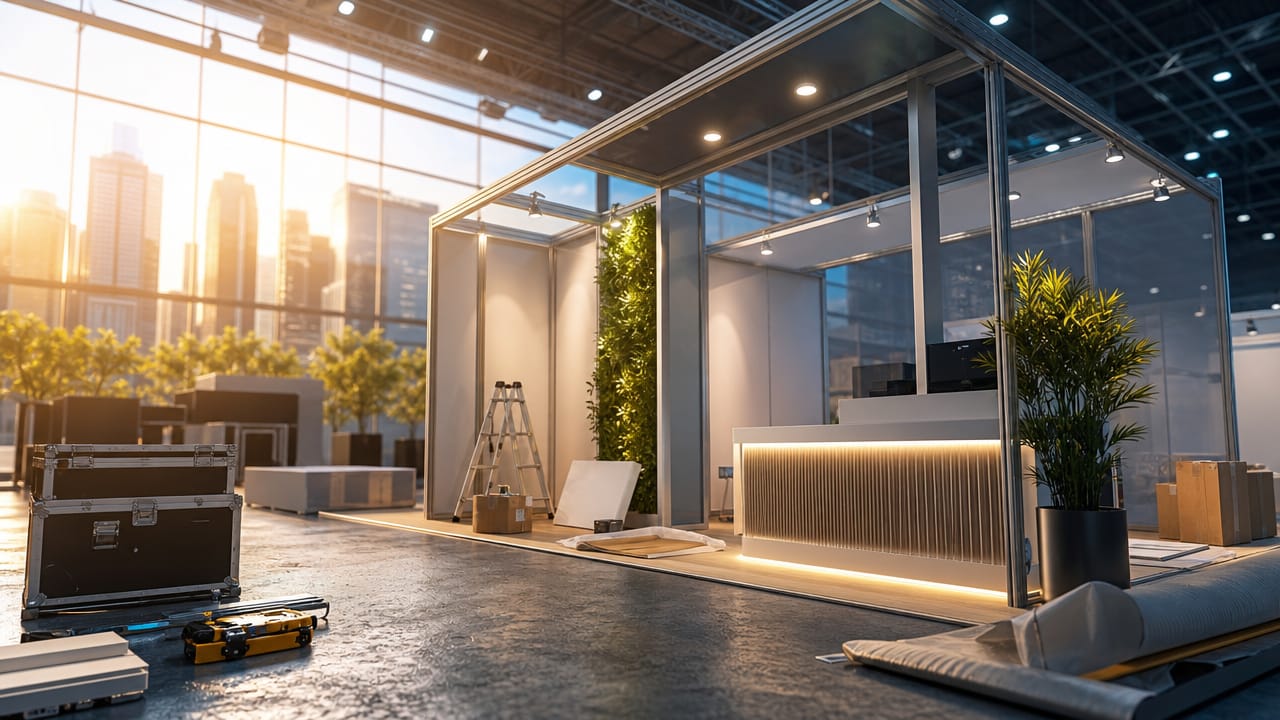



Exhibiting with shell scheme displays is standard practice at Australian trade shows, but many marketers underestimate the hidden risks. The convenience of a pre-built structure can lull teams into last-minute decisions, generic branding and poor planning that quietly erode return on investment. When power, lighting, graphics and layout are left to default options, a supposedly simple setup can become a costly missed opportunity.
Relying on a basic shell scheme booth often leads to cramped spaces, awkward visitor flow and cluttered messaging. Exhibitors pile in counters, pull-up banners and furniture without mapping how people will move through the stand. Staff end up blocking key entry points, conversations feel intrusive, and hero products are pushed to the background. These subtle frictions add up, reducing dwell time and weakening lead quality.
Venue regulations in Australia are strict, yet many teams skim the exhibitor manual or overlook OH&S details. Non-compliant elements, from over-height structures to unsafe cabling, can be removed without warning. Default lighting and single power points rarely suit modern demonstrations, leaving products flat and cables snaking across the floor. Generic fascia and rushed shell scheme graphics mean stands blur together, making it harder for visitors to recall conversations once they leave the hall.

Even a well-designed shell scheme wall graphics package can be undermined by underprepared staff. Teams that arrive late, lack product knowledge or have no clear lead capture process waste hard-earned foot traffic. Warning signs often appear weeks before bump-in: design decisions pushed to the final fortnight, confusion over transport and install responsibilities, or no allowance for budget shell scheme upgrades such as extra lighting and furniture. These gaps frequently lead to rushed, reactive choices on-site.
When these red flags go unchecked, the result is a stand that looks generic, functions poorly and underdelivers on leads. Visitors may struggle to understand what you do, where to stand or who to speak with. Over time, repeating the same shell scheme booth mistakes can entrench a reputation for bland, forgettable trade show appearances. Assessing your current shell scheme displays strategy and speaking with an experienced exhibition partner before the next show can help you identify risks early, refine your shell scheme graphics, and plan modular shell scheme ideas that turn a basic structure into a purposeful, results-driven stand.
Input your search keywords and press Enter.