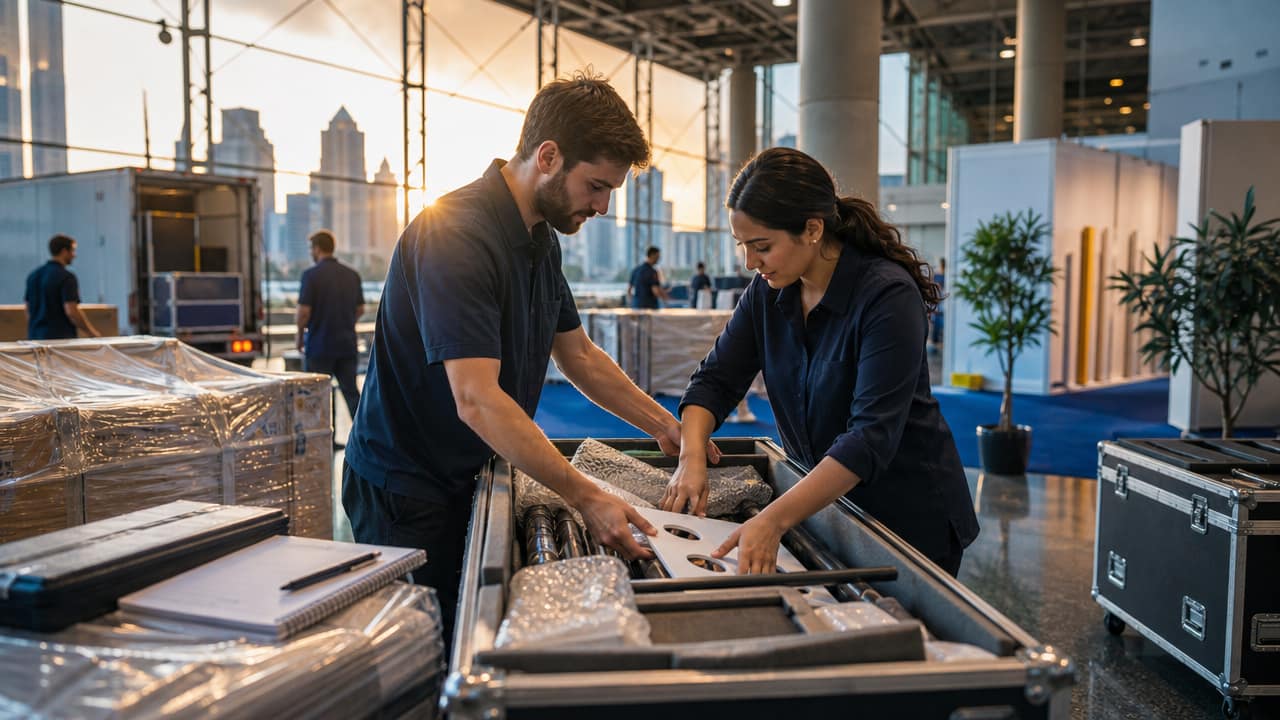



Checklist for Packing Exhibition Materials for Australian Events is becoming a live issue for exhibitors as shows return at scale across the country. Australian venues impose tight bump-in windows, complex work health and safety rules and strict loading dock controls, meaning a casual approach to packing can quickly derail an otherwise well-planned stand. Exhibitors weighing up their options now face a clear choice between doing it themselves, using general carriers, or engaging specialist exhibition freight services.
A practical exhibition freight checklist starts by grouping what you plan to send: stand components, graphics, AV, samples, and on-stand consumables. This structure helps you decide which items must travel as dedicated exhibition freight and which can be carried by staff or sourced locally. For example, fragile LED walls and custom joinery usually warrant custom cases, while low-value giveaways might be purchased in the host city. The right balance reduces risk while containing costs.
Smaller exhibitors often manage packing with basic pallets, bubble wrap and reusable cases, a workable option for local events with modest gear. However, once you add interstate exhibition freight, tight schedules and multiple handling points, the risk of damage or late delivery rises sharply. General carriers may be cheaper but rarely understand venue loading dock access rules, marshalled yards or timed delivery to exhibitions. Specialist providers invest in purpose-built crates, inventory systems and show-specific processes designed for reliability rather than just volume.
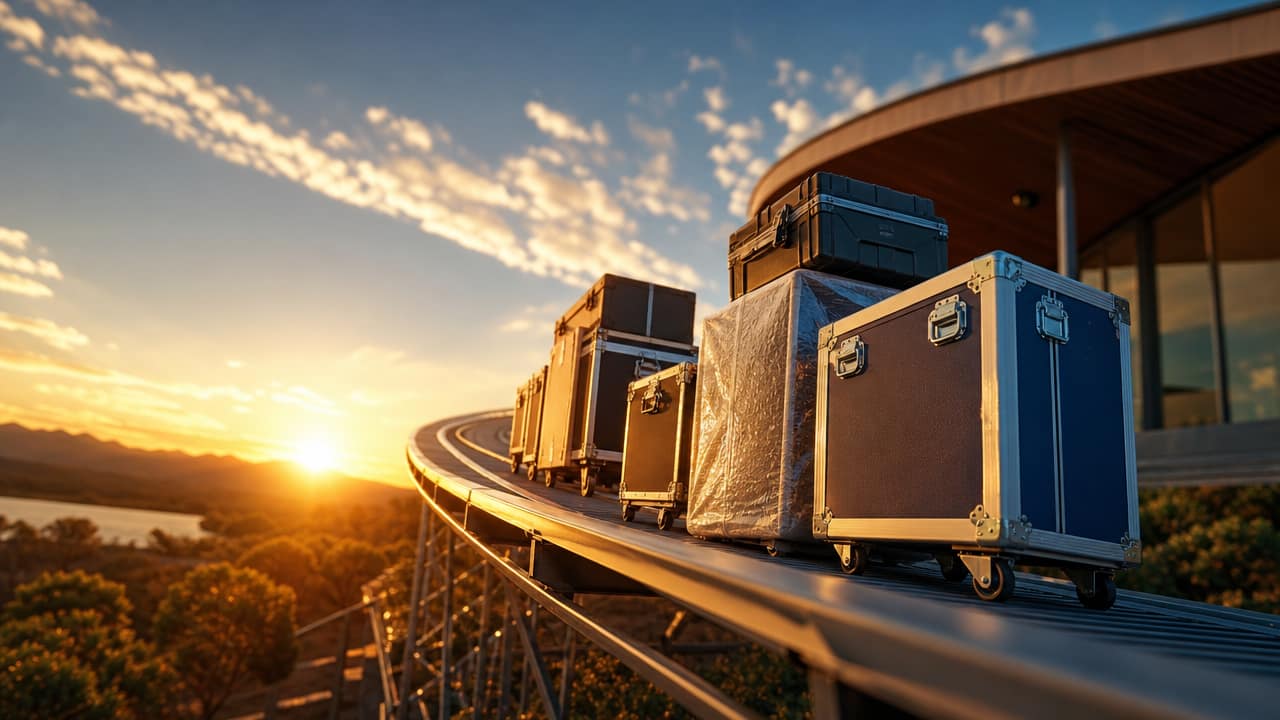
Specialist partners such as 4. Exhibition Logistics and Freight operate as an extension of your events team, mapping every leg of your exhibition transport from warehouse to stand and back again. They manage trade show logistics, including pre-build tests, condition reporting, and return transport after events, so you know exactly where your assets are. Many also advise on secure packing for displays, test-and-tag compliance, and Australian trade show transport constraints at major venues in Sydney, Melbourne and Brisbane. The result is fewer surprises and more predictable show-day performance.
For teams mapping a full calendar of shows, a structured approach to trade show logistics often becomes a growth enabler rather than a cost line. Assess the value of your stand assets, the complexity of your schedule and the consequences of a missed delivery, then decide whether in-house coordination is still viable. When the stakes include national product launches or key account meetings, partnering with an expert in exhibition freight can shift packing from a stressful chore to a repeatable, resilient process. To move forward, compare providers, request detailed proposals and speak with an Australian specialist about the right packing and transport solution for your next event.
Input your search keywords and press Enter.