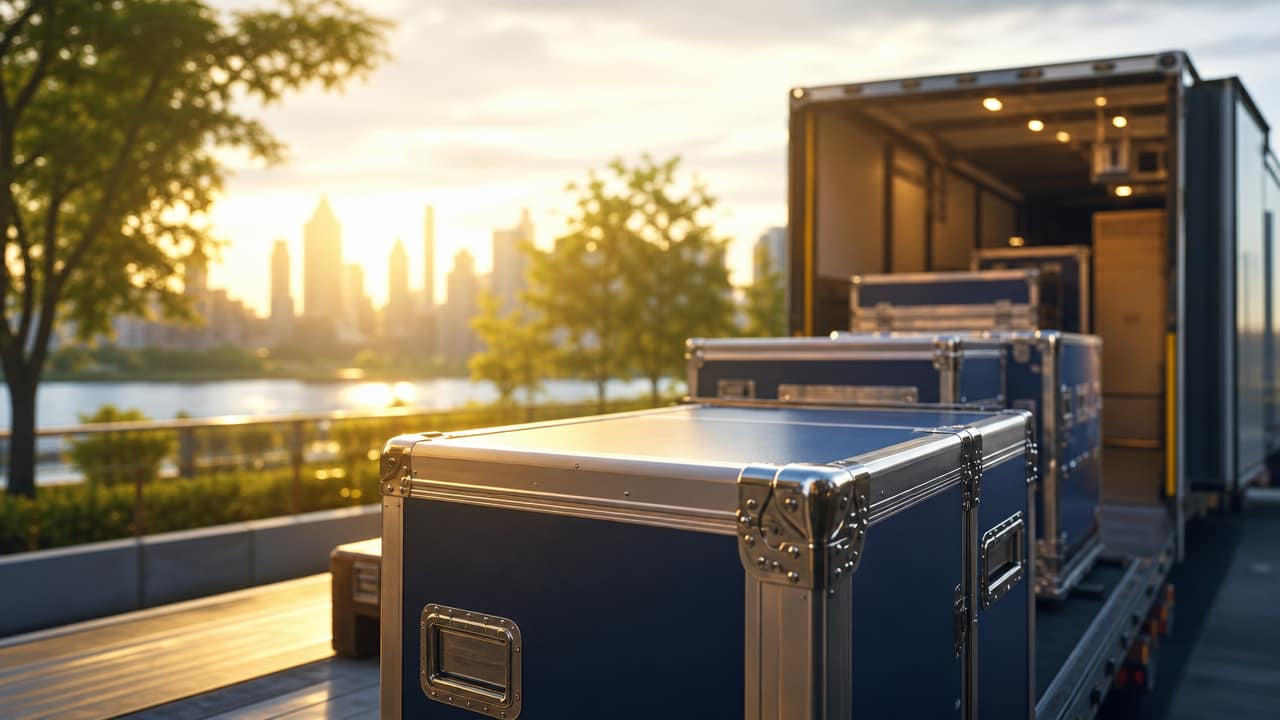



Safe, compliant packing and transport can make or break an exhibition campaign, especially when moving valuable displays across Australia’s vast distances. Professional exhibition freight providers offer structured solutions that go far beyond basic courier services, combining expert packing, documentation support, and risk management to keep timelines and budgets on track.
Specialist Exhibition Logistics and Freight services typically start with a risk assessment of your exhibit: materials, fragility, value, and destination. From there, providers recommend tailored packaging, from custom crates to foam-in-place systems, along with barcoded labelling to support inventory control and efficient track-and-trace during transit and handling.
At the core of any solution is robust packaging, including secure crating for trade shows, reinforced cartons, and shock-absorbing foams matched to item weight and fragility. Providers can design systems for packing fragile exhibition displays, such as glazed showcases or AV screens, using double-boxing, corner protection, and anti-static materials for electronics. Many operators also offer reusable crate programs, which cut waste and provide consistent protection for touring exhibitions and repeat trade show circuits.
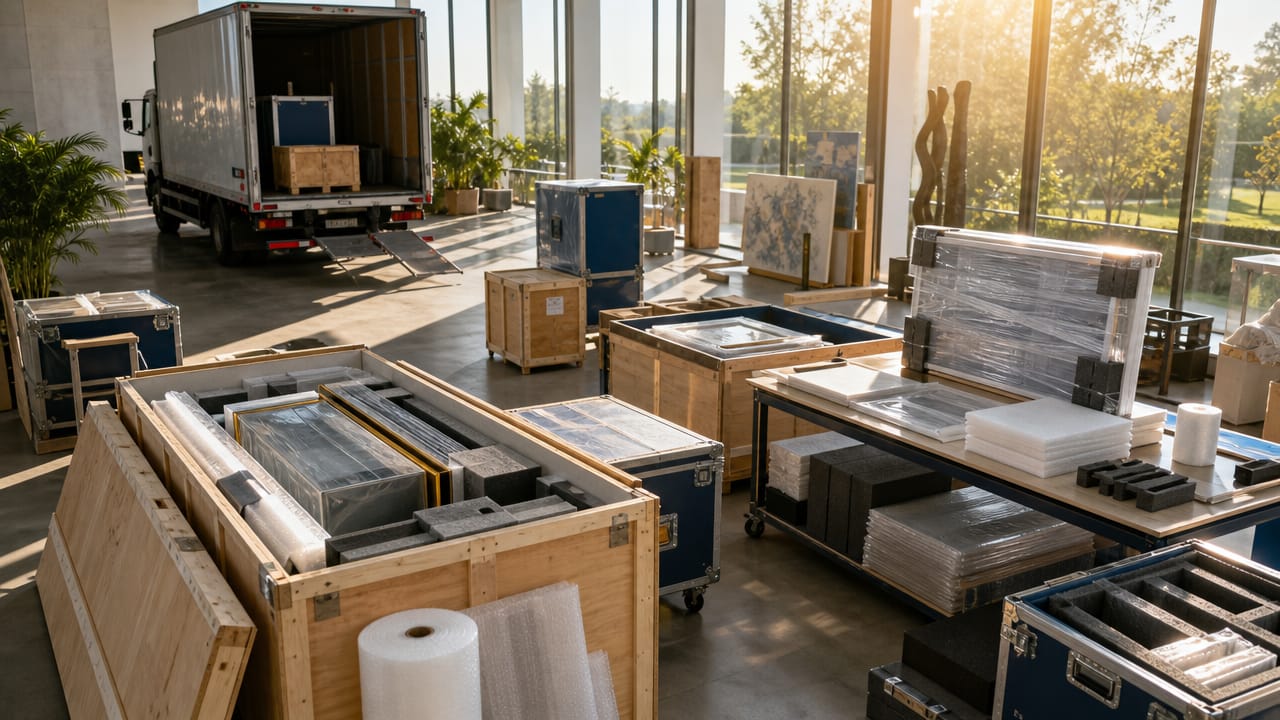
Beyond packaging, the right provider will plan exhibition transport around venue schedules, including timed delivery to exhibition halls and strict move-in windows. Experienced operators understand venue loading dock access tips, height restrictions, and paperwork requirements, helping exhibitors avoid demurrage fees or missed bump-in slots. For national campaigns, interstate exhibition freight planning becomes critical, balancing cost, transit time, and risk when choosing between road, air, or a combination of modes.
When comparing providers, look for clear inventory processes, robust insurance options, and transparent communication around risks, limitations, and responsibilities. A reputable partner will explain how they secure high-value items, manage chain-of-custody, and respond to delays or damage, rather than offering vague guarantees.
If you are planning a national touring schedule or a single major expo, it’s worth speaking with experts who specialise in Australian exhibition freight. An experienced logistics partner can help you compare transport modes, refine packing strategies, and build a repeatable playbook for your team. To protect your next show and budget, book a consultation with a specialist and map out the safest, most efficient plan for your exhibition materials.
Input your search keywords and press Enter.