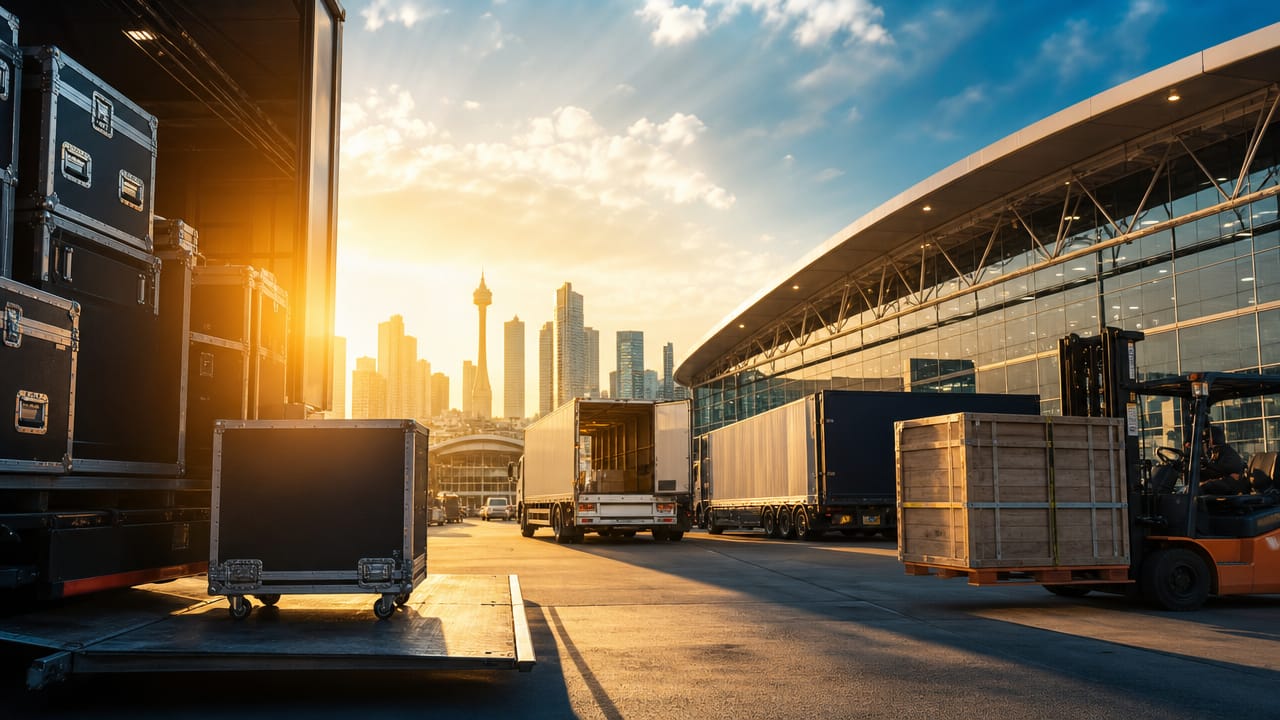



Best Practices for Managing Freight During Peak Exhibition Seasons
During Australia’s busiest show periods, carriers, warehouses and venues quickly reach capacity, making Exhibition Logistics and Freight a strategic priority rather than an afterthought. Lock in exhibition freight bookings 8–12 weeks out, especially if you need interstate trade show freight services or temperature-controlled options. Build a milestone-driven schedule that maps collection, customs, delivery and pack-down. Share it with marketing, operations and your stand builder so everyone knows the critical deadlines and who owns each step.
Every major venue runs tight trade show logistics with fixed bump-in windows, safety briefings and pre-booked dock slots. Failing to understand event venue loading dock access rules can leave your truck in a queue while competitors are already building. Study the exhibitor manual, confirm permitted vehicle sizes, and check if forklifts or hi-vis gear are compulsory. International exhibitors should factor in quarantine inspections and carnet requirements, allowing extra buffer for any unplanned checks or security delays.
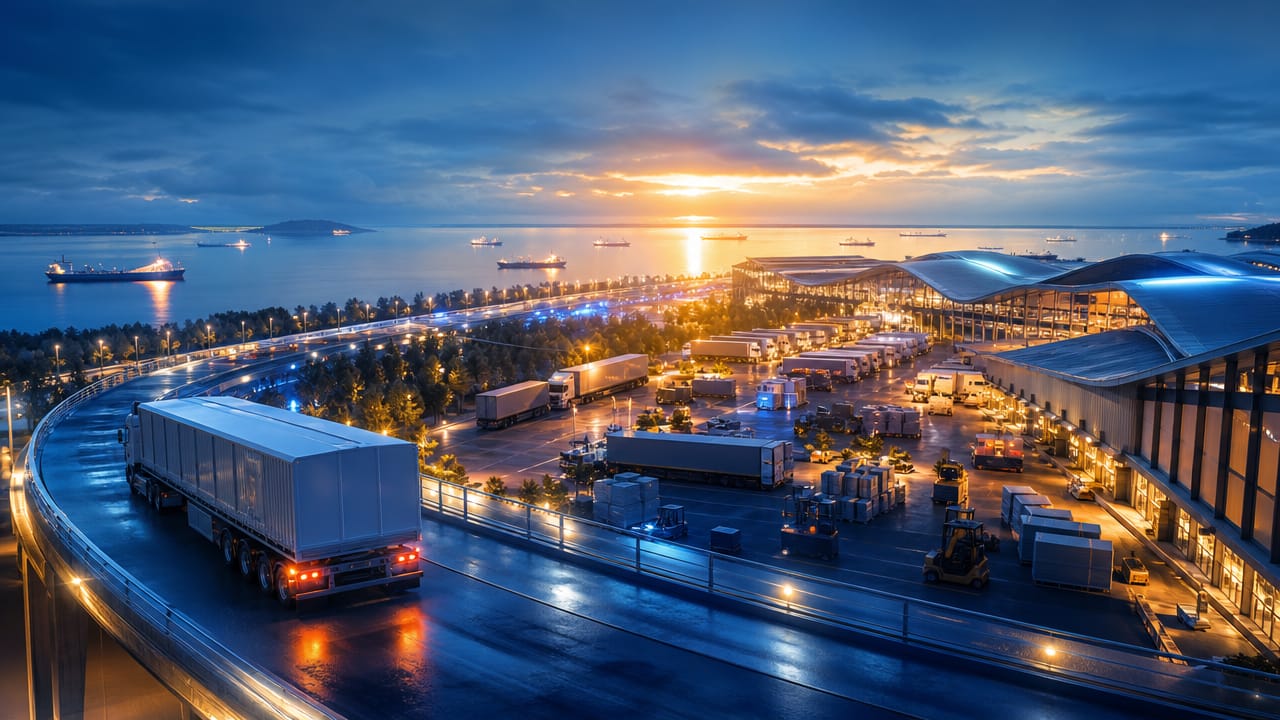
Smart packaging is essential when docks are working at pace and on-site exhibition freight handling crews are under pressure. Use reusable crates with internal bracing, corner protection and clear fragile markings so cases can be double-stacked safely. Label every side with event name, stand number and contact details, and number each piece to avoid confusion during return freight after trade shows. Where possible, arrange temporary storage for exhibition materials close to the venue to support rapid replenishment or emergency repairs.
Real-time visibility is now standard for serious exhibitors managing exhibition transport in multiple cities. GPS tracking, barcode or RFID systems and cloud-based inventories allow you to confirm exactly when freight clears docks or customs, and who signed for it on-site. This level of detail supports time-sensitive exhibition transport solutions when flights or linehaul schedules change at short notice. With live updates, your sales team can focus on meetings instead of chasing truck ETAs by phone.
Peak season exhibition freight planning is complex, with weather, industrial action and last-minute stand redesigns all adding risk. A specialist provider can design coordinated exhibition freight schedules that cover pickup, delivery, storage and bump-out under a single plan. They understand local rules, can pre-book forklifts and labour, and manage event-specific paperwork. For exhibitors with tight sales targets, dedicated experts free up internal teams to focus on leads while freight moves reliably in the background.
If your team is planning multiple shows or launching a major product, now is the time to tighten your freight strategy. Speak with our exhibition specialists today to review your current approach, identify risks and design a tailored logistics plan that keeps your stand on schedule and on budget from first truck roll to final pack-down.
Input your search keywords and press Enter.