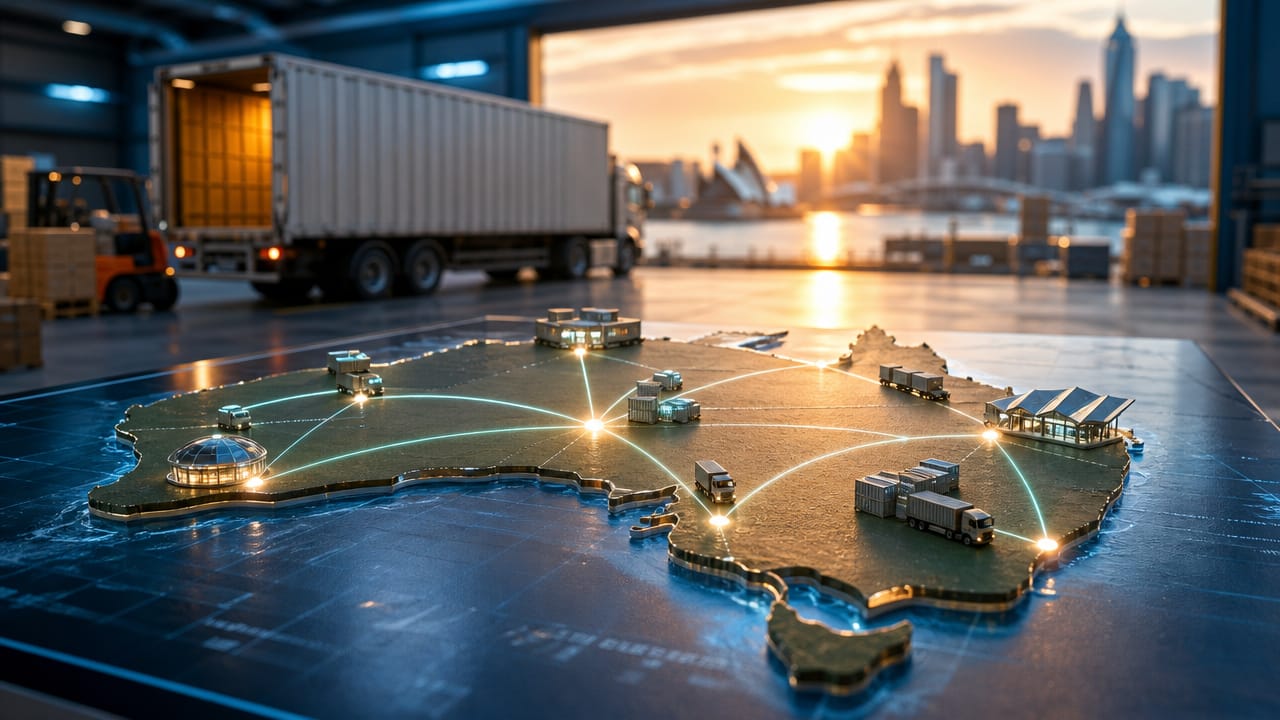



Best practices for coordinating freight across multiple venues in Australia start with a clear understanding of how Exhibition Logistics and Freight operates in a live event environment. Exhibition organisers, touring producers, and event managers must balance strict venue schedules with the safe movement of valuable displays and equipment. A structured approach reduces delays, protects assets, and delivers a consistent visitor experience from city to city.
When freight moves between convention centres, exhibition halls, and theatres, the logistics quickly become complex. Each location may require pre-booked delivery slots, inductions, and specific loading dock access at exhibition centres. A multi-venue exhibition freight planning schedule should document venue contacts, dock procedures, and required equipment. This helps ensure that drivers, crew, and venue teams share the same expectations and timelines.
Effective exhibition freight planning begins with a detailed run sheet mapping bump-in and bump-out times at every site. Include realistic travel durations, traffic considerations, and potential weather impacts when coordinating interstate trade show deliveries. Labelling is critical: each crate or pallet should list the city, venue, stand number, and contact details. This reduces misrouting and supports efficient exhibition transport between events on a tight schedule.
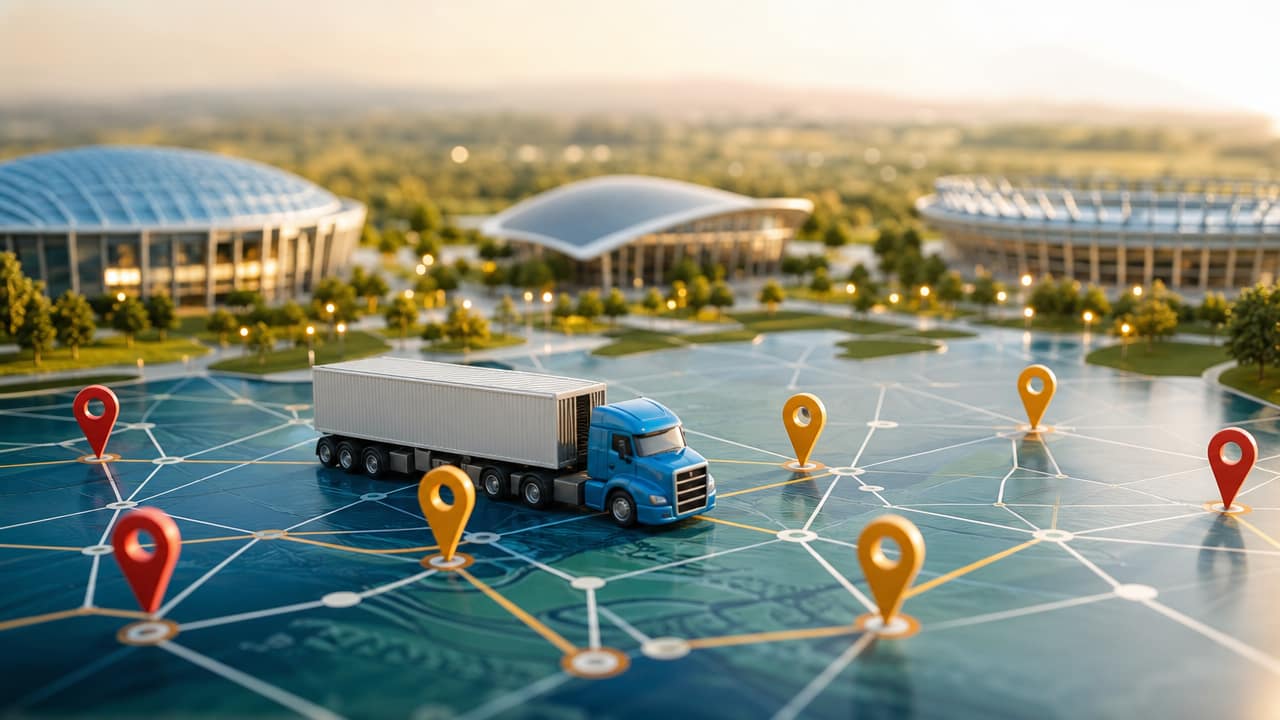
Each site may have unique venue-specific exhibition transport requirements, including height limits, dock sizes, and safety rules. Confirm whether forklifts, pallet jacks, and drivers are supplied by the venue or your freight partner. Consider on-site storage for exhibition crates so empty packaging is secure and accessible for pack-down. Having clear processes for time-sensitive trade show freight reduces the risk of missed bump-in windows and last-minute schedule changes.
Comprehensive documentation supports smooth trade show logistics from the first shipment to final return freight after trade shows. Packing lists, condition reports, and dangerous goods declarations should be accurate and easy to access. For national tours, many organisers work with specialists in Exhibition Logistics and Freight who understand customs, quarantine, and consolidated freight for multiple venues. They can also advise on insurance coverage for high-value AV, prototypes, or artworks, helping you manage risk across the entire tour.
Successful coordinating freight across multiple venues relies on clear communication, realistic timelines, and a willingness to review and refine your process after each event. Consider where delays occurred, how exhibition transport could be improved, and whether different routing might reduce costs or risks. If you are planning a complex schedule and need guidance, speak with an exhibition logistics expert early so you can design a robust plan and move confidently into your next event series.
Input your search keywords and press Enter.