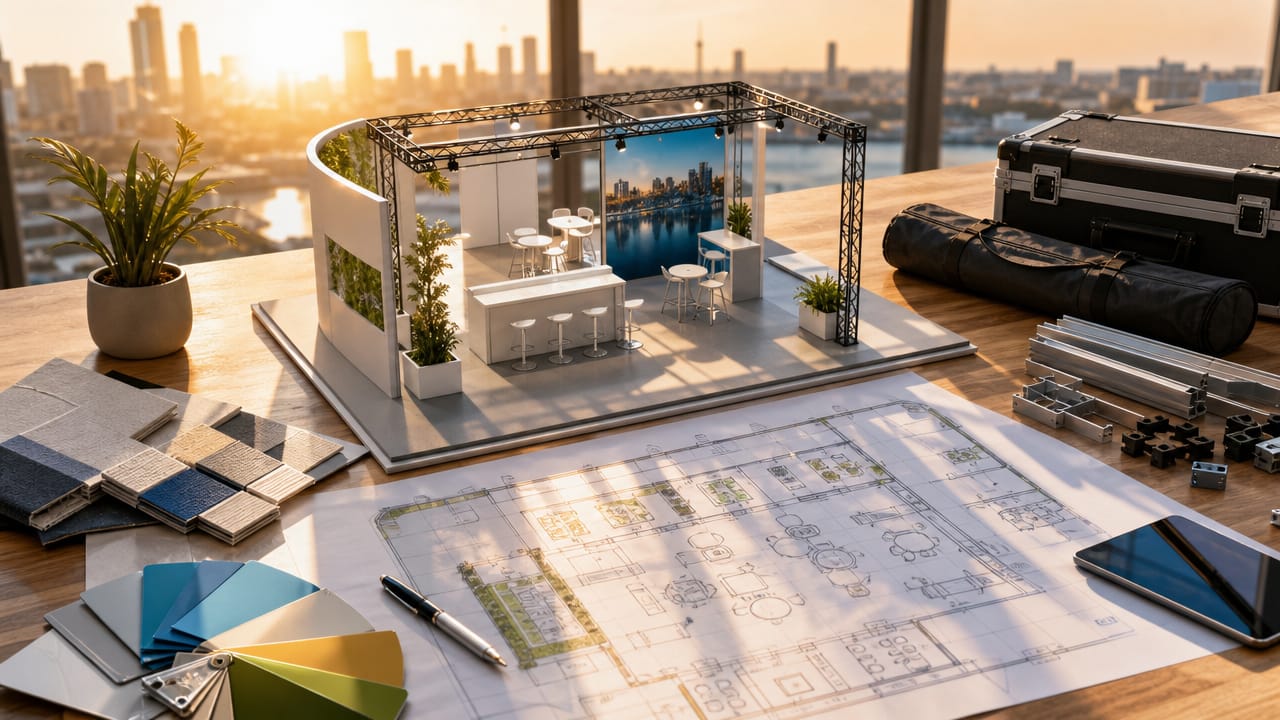



Avoiding Common Pitfalls in Exhibition Stand Planning is increasingly important for Australian businesses relying on trade shows to drive leads, brand visibility and partnerships. With major expos like CeMAT, Fine Food Australia and the Australian Auto Aftermarket Expo attracting thousands of visitors daily, poor planning, vague objectives and underestimated logistics can turn a major investment into a missed opportunity.
Many exhibitors cram decisions into the final weeks, leaving little time for testing concepts or refining messaging. Without robust exhibition objectives planning around lead quality, brand positioning or product launches, stand design and staffing become reactive rather than strategic. A simple exhibition planning checklist that locks in goals, audience profiles and key messages early will keep decisions aligned and reduce costly last‑minute changes.
Common errors include choosing the wrong show, under-budgeting for build quality and allowing cluttered layouts to confuse visitors. International research from CEIR suggests attendees decide within seconds whether to engage, making first impressions critical. A practical exhibition stand preparation guide should address space selection, sightlines, storage, accessibility and compliance with venue safety rules. Building an exhibition planning timeline that runs backwards from show day helps teams lock in design, freight, power, internet and on-stand technology with fewer surprises.
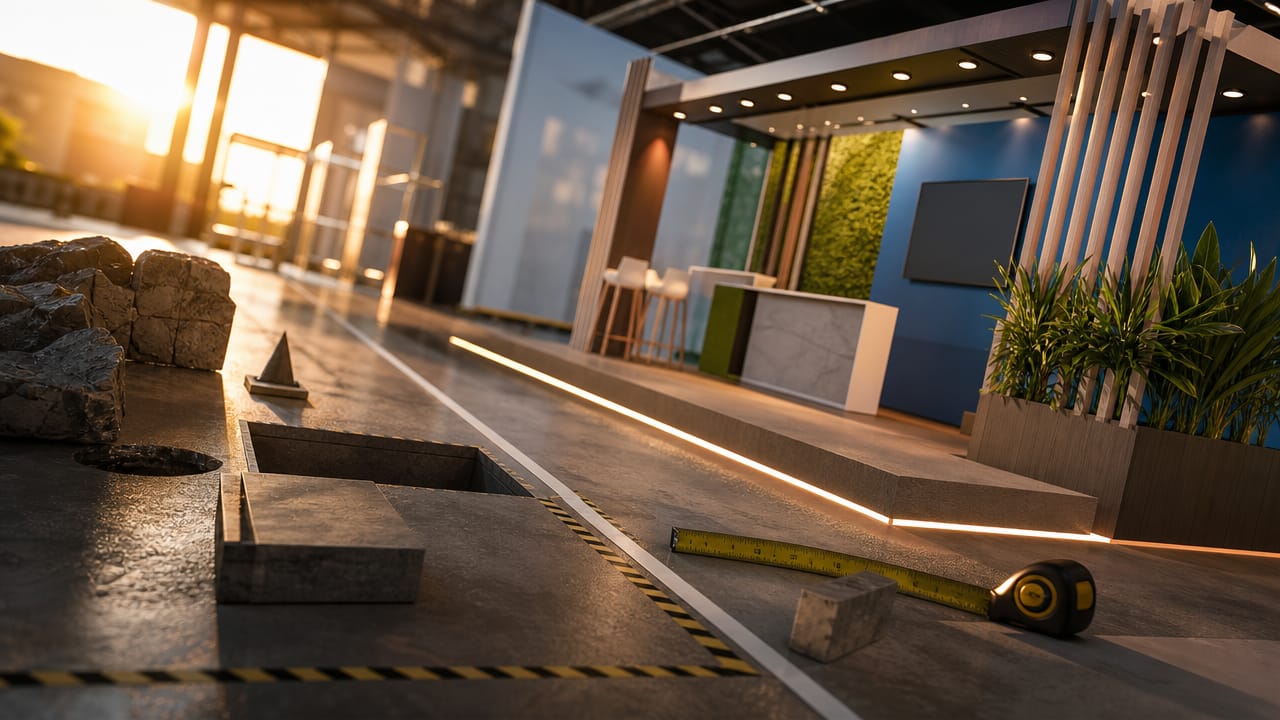
Smarter stands prioritise open entry points, concise messaging and layered engagement such as touchscreens, live demos and sampling to increase dwell time. Placing hero products and offers at the front while reserving meeting space at the rear helps separate browsing traffic from private conversations. Sustainability is another factor in modern Australian trade show timeline planning, with organisers and exhibitors favouring modular, re-usable systems and responsibly sourced materials that lower both environmental impact and long-term costs.
Even the best concept fails without a disciplined approach to people, measurement and follow-up. Effective Exhibition Stand Planning includes role definitions, briefing packs, scripts and appointment schedules so staff know who they are targeting and how to qualify interest. Integrating tools such as tablets, QR-enabled brochures and CRM-connected scanners ensures leads are captured cleanly and followed up within 48 hours. Working backwards from targets for leads, meetings or on-stand sales allows teams to compare full-service agencies, modular systems and in-house builds, and choose the mix of creativity, control and cost that suits their risk profile and growth goals. For organisations seeking a structured way to compare options, speaking with a specialist partner can help review your pre-show planning checklist, refine your trade show preparation and build a stand strategy that consistently converts interest into pipeline.
Input your search keywords and press Enter.