How to Effectively Pack and Ship Trade Show Displays
Packing and shipping trade show displays in Australia is rarely as simple as loading a few cases onto a truck. The combination of long transport legs, tight schedules and complex venues means the weakest point in any program is often Exhibition Logistics and Freight. When a single custom stand can cost tens of thousands of dollars, a cracked panel, missing crate or delayed truck can erase months of planning and marketing investment in one shipment.
The Australian exhibitions market is heavily concentrated around capital cities, yet many exhibitors travel from regional centres or interstate. This creates extended chains of exhibition freight moving through multiple depots and vehicles before reaching the venue. Each transfer increases the chance of impact damage, moisture exposure or misrouted freight. When things go wrong, exhibitors are left absorbing last‑minute repairs, emergency reprints and higher risk across their entire trade show logistics budget.

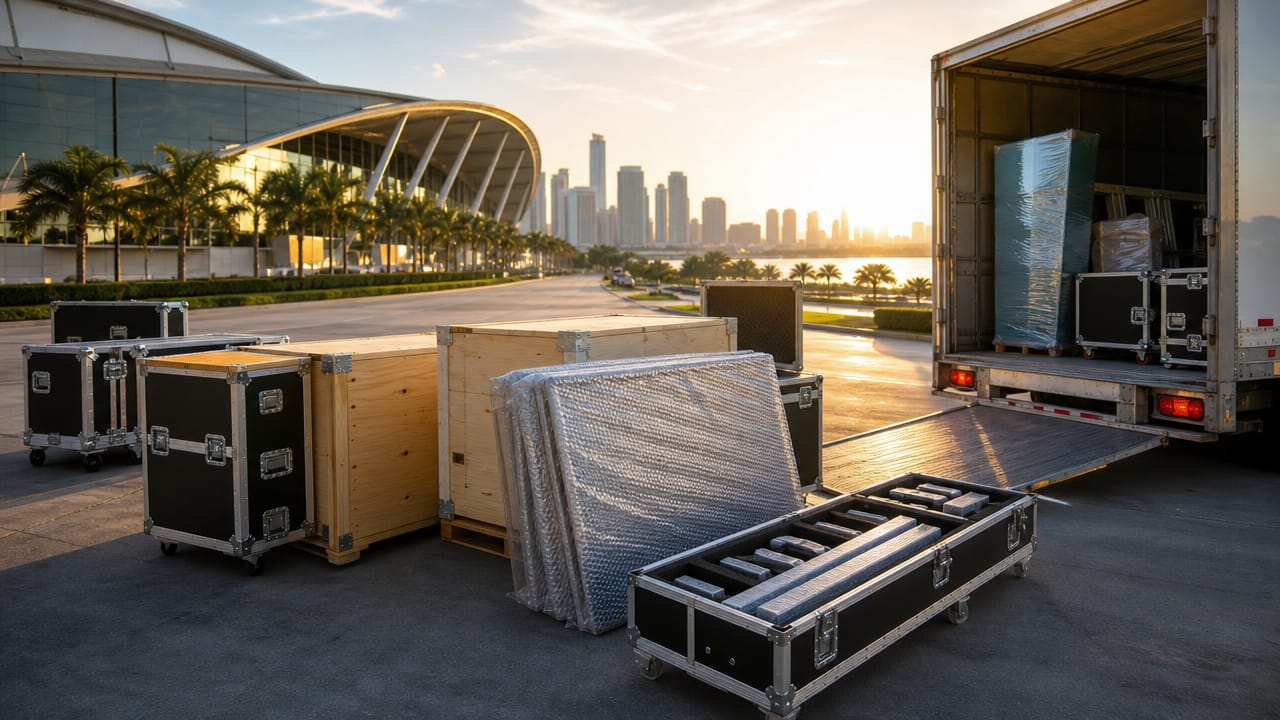
One of the most frequent issues is relying on worn cardboard cartons or improvised crates instead of purpose‑built cases and secure exhibition freight packing. Heavy bases crush lighter components, unprotected edges chip, and graphics bend under their own weight. Small but vital items such as fixings, tools and AV leads are often tossed in loosely with hardware, creating avoidable scuffs and electrical faults. Over time, these small impacts add up to crooked structures, unreliable lighting and a stand that never quite looks “show ready”.
Warning signs your process is under strain include crews spending hours tracking missing parts, repairing damaged plinths or re‑hanging creased graphics at every show. Freight spend quietly increases as flights replace road legs, or as multiple exhibition transport suppliers are booked at short notice. Exhibitors needing temporary storage for exhibition stands between events often end up with ad‑hoc solutions that expose assets to dust, moisture or untracked access. These are indicators that the freight model is reactive rather than controlled.
As programs expand to multiple cities with tight back‑to‑back dates, coordinating trade show freight suppliers in‑house becomes increasingly complex. Missed cut‑offs, unclear paperwork and inconsistent packing standards raise the likelihood of costly failures. Many Australian teams eventually look to australian trade show freight services that understand marshaling yards, strict bump‑in windows and the realities of exhibition transport. Specialist partners can structure exhibition freight workflows, standardise packing, and reduce preventable damage and stress across campaigns.
For exhibitors, the real opportunity lies in reassessing how displays move, where damage is occurring, and which points in the chain are most exposed. Reviewing current Exhibition Logistics and Freight processes, seeking expert guidance, and tightening packing standards can prevent repeat losses long before they appear on an insurance report. If your team is continually firefighting missing, damaged or late display components, now is the time to speak with an events freight specialist, audit your current setup and put a more resilient plan in place.
Input your search keywords and press Enter.