Australian organisers under pressure to cut budgets are scrutinising how Exhibition Logistics and Freight is planned across the country’s long distances. Poorly sequenced routes, rushed bookings and unclear venue requirements can quickly turn a reasonable quote into an overrun. The key to improvement is understanding what drives cost, then selecting smarter routing, packing and coordination options that keep displays moving while reducing risk.
For many exhibitors, exhibition freight becomes expensive when deadlines force premium services. Time-sensitive trade show freight into CBD convention centres often defaults to air or dedicated vehicles, attracting higher linehaul and handling fees. Costs escalate further when event venue loading access is restricted to narrow windows, creating overtime, waiting charges and occasional re-deliveries. Missed slots, incomplete paperwork and damage can also trigger penalties. Mapping these pressure points helps teams prioritise earlier trade show freight planning, clearer labelling and better documentation to avoid surprises.
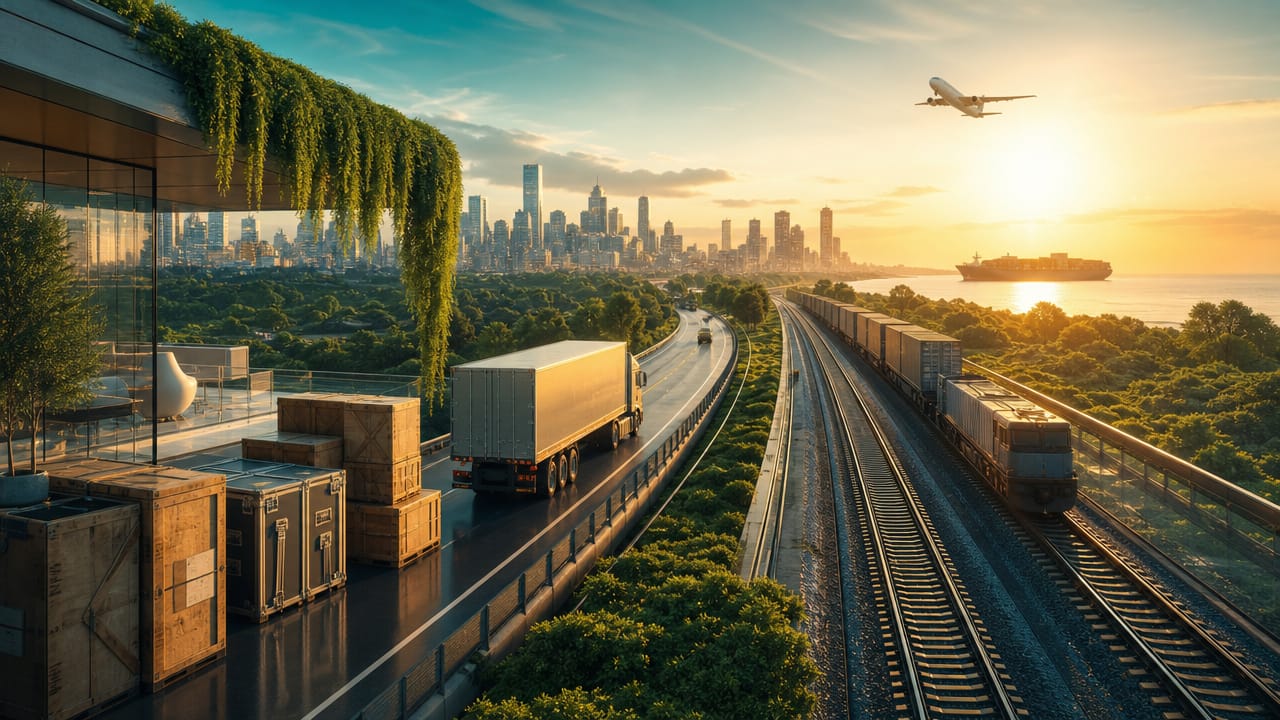
One of the most effective levers for exhibition freight cost savings is multimodal routing between major cities. Instead of flying every pallet, bulky stand components can move by rail or sea on longer lead times, with final exhibition transport by truck into the venue. This is particularly relevant for interstate exhibition transport between Perth, Adelaide and the eastern seaboard. Technology platforms now allow managers to compare routes, transit times and reliability, then blend modes to protect immovable bump-in schedules without defaulting to the fastest, most expensive option.

Consolidating shipments from multiple suppliers into fewer, fuller loads can reduce per-cubic-metre charges and simplify handling at the venue. Coordinating exhibition freight suppliers so displays, AV and promotional items move together also reduces check-in delays and misdirected freight. Thoughtful packing design supports this: modular stands, stackable crates and optimised pallets use vehicle space more efficiently while cutting loading times. Planning for return exhibition freight at the outset—using reusable packaging and clear reverse-labelling—helps avoid post-show chaos and unplanned storage bills.
Specialist providers with deep experience in Australian exhibition freight bring knowledge of local regulations, quarantine rules and trade show logistics practices across major venues. They can advise when express services are justified and when slower options are sufficient, based on risk tolerance and brand priorities. Regular post-event reviews—tracking damage, delays and budget variance—turn each show into data for better decisions. To map a more efficient strategy and reduce future exhibition freight risk, consider speaking with an independent expert who can stress test your current plan and recommend targeted improvements.
Input your search keywords and press Enter.