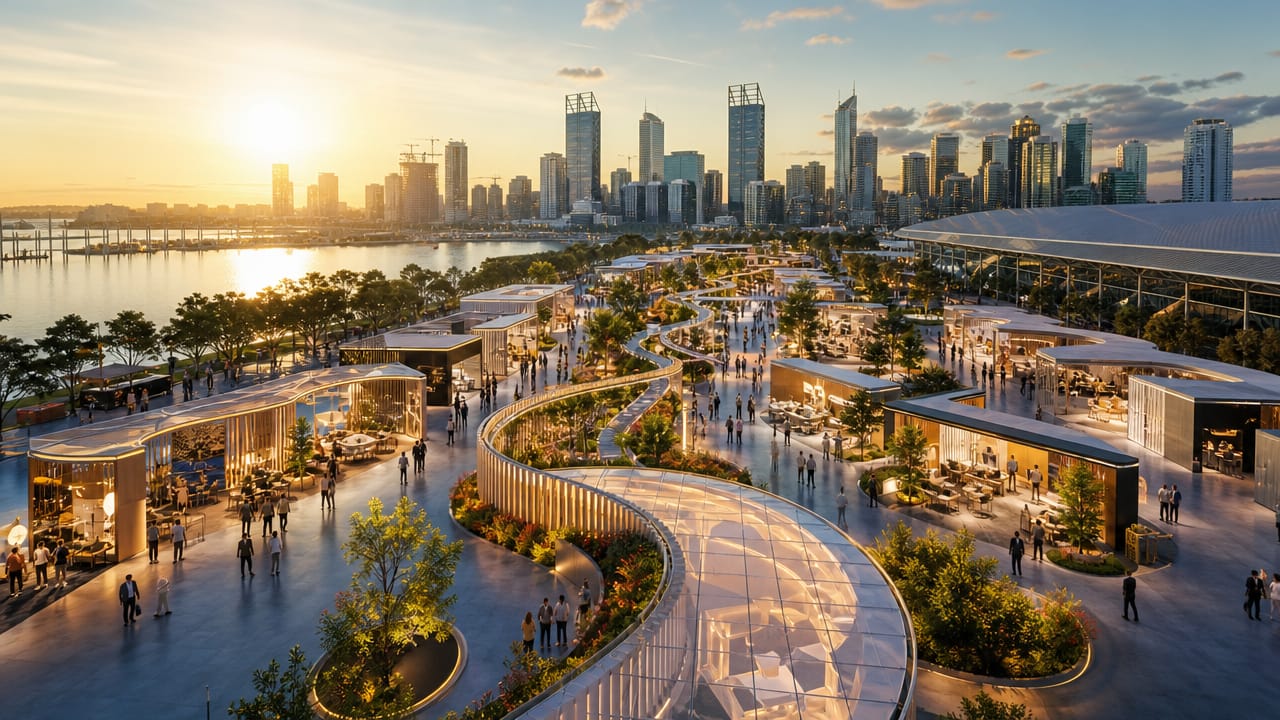
Transforming visitor flow is one of the fastest ways to lift leads and conversations at Australian trade shows, and it starts with deliberate Exhibition Stand Design rather than chance. In packed venues across Sydney, Melbourne and Brisbane, the difference between a quick glance and a meaningful discussion often lies in how clearly your stand guides people from first impression to in-depth chat. Exhibitors now view visitor movement as a planned journey, mapping where crowds will enter, pause, circulate and sit down. This journey-based thinking helps brands compare solution options, from structural layouts to engagement tools, before committing to a build.
Many exhibitors blame poor results on stand location when the real issue is how the space handles movement. Narrow aisles, tall counters and cluttered exhibition booth design can cause bottlenecks that push people past your messaging. In contrast, visitor-friendly stand layouts use clear entry points, open walkways and logical sightlines so guests feel comfortable stepping in and staying longer. Analysing dwell time, conversation length and repeat visits gives hard evidence of what is working and what needs redesign before the next event.
A proven solution is to divide your footprint into attraction, engagement and conversion zones, each with a specific role. At the front, high impact booth graphics and bold benefit-led headlines help busy attendees decide in seconds whether your offer is relevant. Deeper inside, open plan exhibition stands use low furniture and angled counters to keep people circulating rather than queuing. Towards the rear, semi-private meeting areas and branded product display zones give sales teams space for more detailed conversations without blocking traffic.
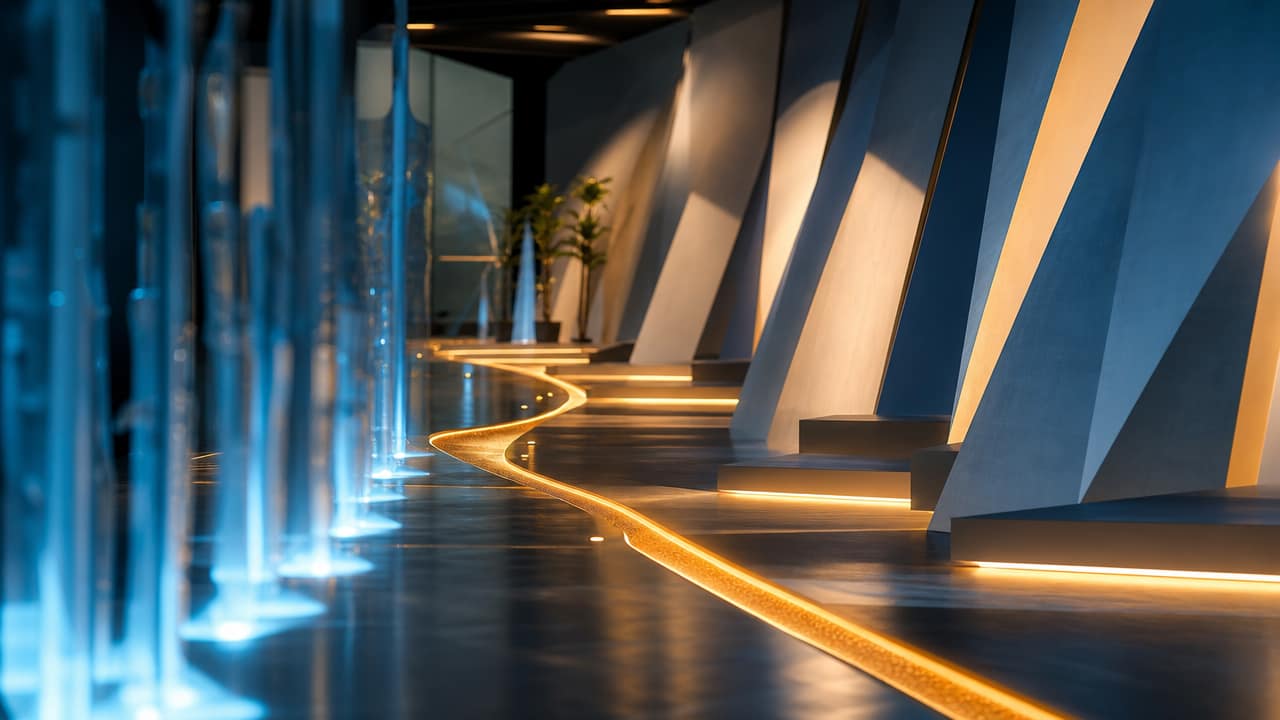
Inline stands often benefit from a shallow, transparent structure and a small footprint stand layout that feels easy to enter and exit. Corner sites, popular at Australian expos, allow diagonal pathways, interactive demonstration areas and stronger sightlines from multiple aisles. Island spaces demand more planning, often combining custom exhibition stands, layered trade show lighting design and clear wayfinding to avoid becoming a mere shortcut. Across all formats, tools such as digital content, industry-specific stand concepts and subtle audio can help guide people naturally from casual browsing to deeper engagement.
For many brands, partnering with specialists in Exhibition Stand Design provides a structured way to compare concepts, materials and engagement options before locking in a build. Experienced teams can recommend solutions ranging from modular frameworks to fully custom structures, calibrated to your budget and reusability needs. They also help balance aesthetics with practical concerns such as accessibility, storage, AV placement and line-of-sight compliance on busy floors. To move from ad hoc displays to a deliberate, data-informed approach, consider booking a consultation to review your last stand, map an ideal visitor journey and shortlist two or three design directions for your next event.
Input your search keywords and press Enter.