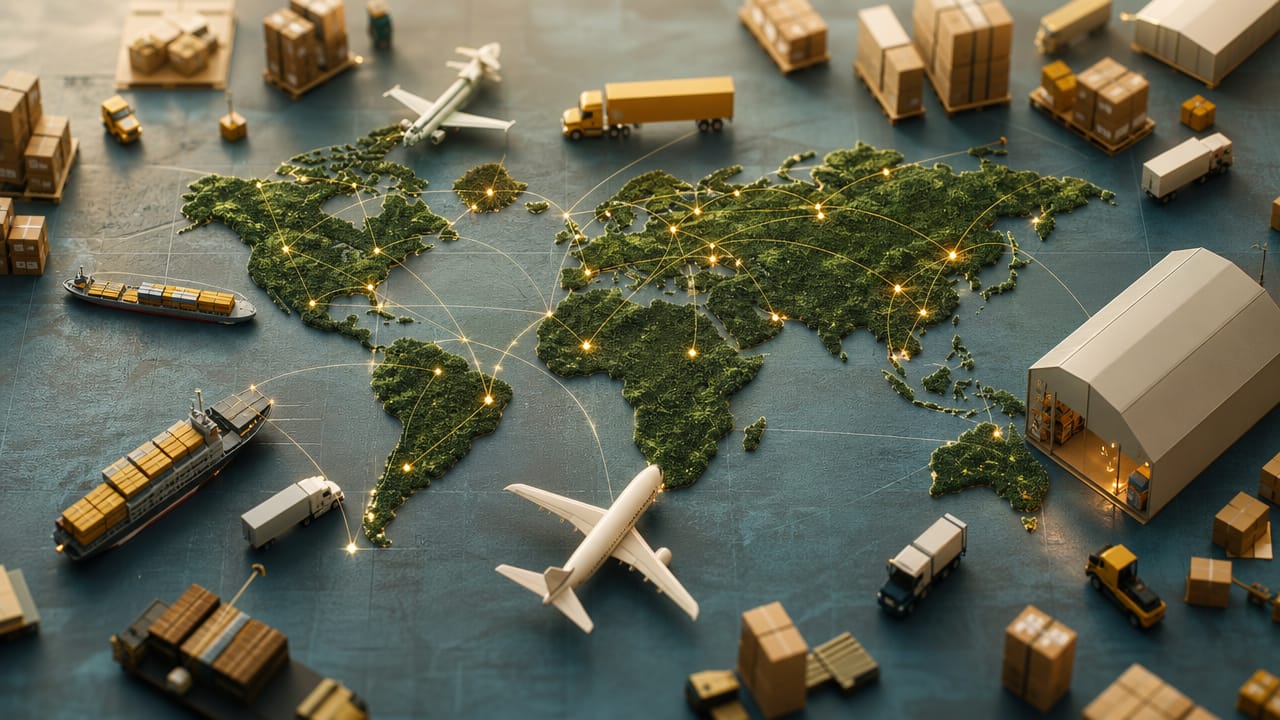



How to maximise efficiency in exhibition freight operations is a key concern for Australian organisers aiming to meet tight deadlines and budget constraints. Effective planning ensures exhibition freight moves smoothly from warehouse to venue and back again, without costly delays or damage. For most businesses, the goal is to protect valuable displays while keeping the process predictable, transparent, and compliant with local and international regulations.
Exhibition freight operations cover the end-to-end movement, handling, and coordination of goods required for trade shows and events. This includes packing, customs clearance, transport, delivery to the stand, and return freight from exhibitions once the show closes. In Australia, organisers must also consider state-based regulations and Australian exhibition freight planning when moving materials across borders. Clear roles between freight forwarders, exhibitors, and venues reduce confusion and help everyone work to the same schedule.
Efficient Exhibition Logistics and Freight starts with accurate timelines and realistic milestones. Build in buffer time for customs checks, traffic, and unexpected delays, especially for time-critical exhibition transport. Choose logistics partners with proven experience in trade show logistics and ask for recent case studies to verify performance. Simple checklists covering labelling, documentation, and insurance help exhibitors meet cut-off dates and minimise last-minute issues.
Careful exhibition transport planning reduces congestion at loading docks and avoids overtime surcharges. Work with providers who understand event venue loading access restrictions, including height limits, dock bookings, and marshalling yards. For interstate trade show freight, confirm transit times between major Australian cities and factor in public holidays and local road rules. Detailed trade show freight scheduling allows collections and deliveries to be staggered, preventing bottlenecks and missed install windows.
On-site exhibition freight handling requires trained crews, appropriate equipment, and clear safety procedures. High-value stands and electronics benefit from secure storage for exhibition displays before and after show hours. A good provider will also explain how insurance, condition reporting, and packaging standards work together to protect assets. Many exhibitors underestimate the risk of damage when unpacking and repacking, so education on correct packing methods is essential.
Australian businesses looking to streamline exhibition freight should evaluate providers on experience, communication, and transparency rather than price alone. Ask how they coordinate exhibition freight across multiple venues, and what contingency plans exist if flights are disrupted or vehicles are delayed. Clarify who manages customs, quarantine, and any special permits for international shows. To explore structured options and better understand the process, consider speaking with specialists in Exhibition Logistics and Freight for tailored guidance. A short consultation can clarify responsibilities, likely costs, and the best timeline for your next event.
Input your search keywords and press Enter.