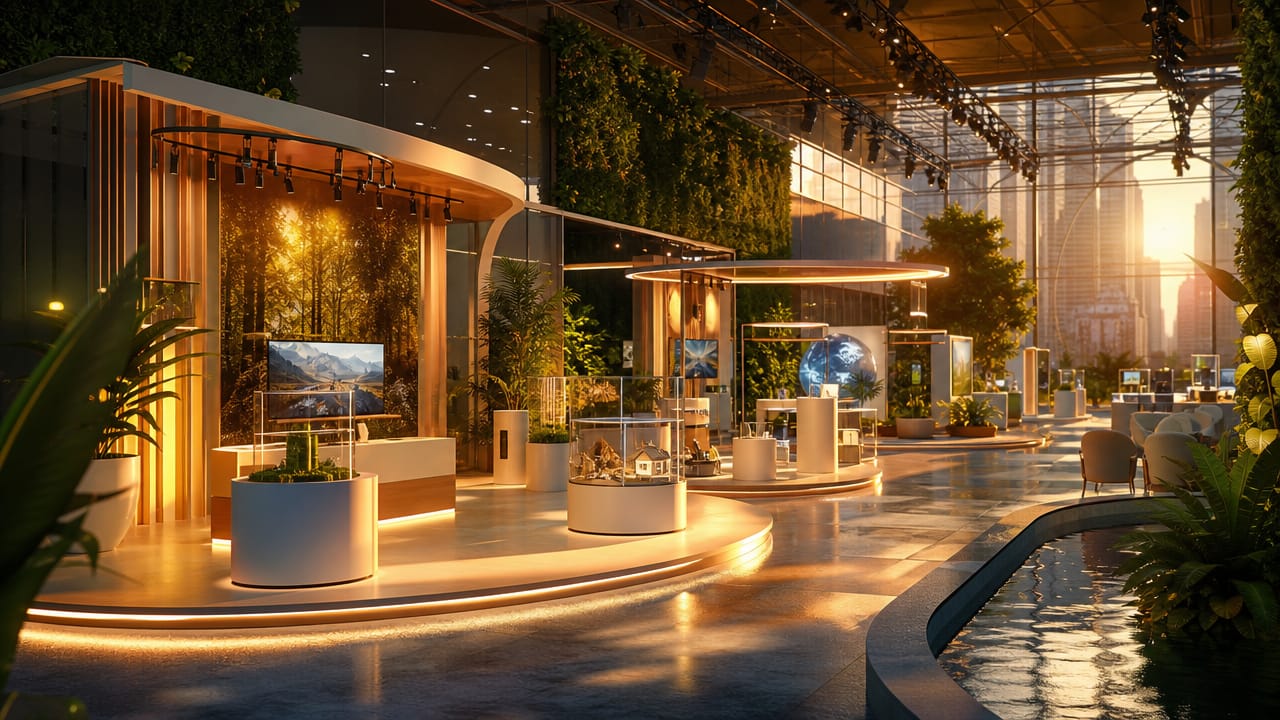



Lighting is rarely the headline act in trade shows, yet it quietly determines whether visitors pause, explore or walk straight past your stand. In busy Australian venues, where aisles are crowded and attention spans are short, the hidden power of light can make or break your Exhibition Stand Design and the return on your event investment.
Many exhibitors assume standard venue downlights will do the job, but these generic fittings are designed for safety and basic visibility, not for engagement. Without a tailored plan, graphics wash out, colours dull and hero products fade into the background. The result is a stand that technically “works” yet fails to stand out against more intentional exhibition booth design on the show floor.
Under-lit stands often feel empty, unfinished or even closed, discouraging visitors from stepping in. At the other extreme, harsh, over-bright fittings create glare and eye strain, pushing people to cut conversations short. Inconsistent lighting levels can also confuse visitors about where to look, undermining carefully planned product stories, technology demos and custom exhibition stands that rely on visual impact.
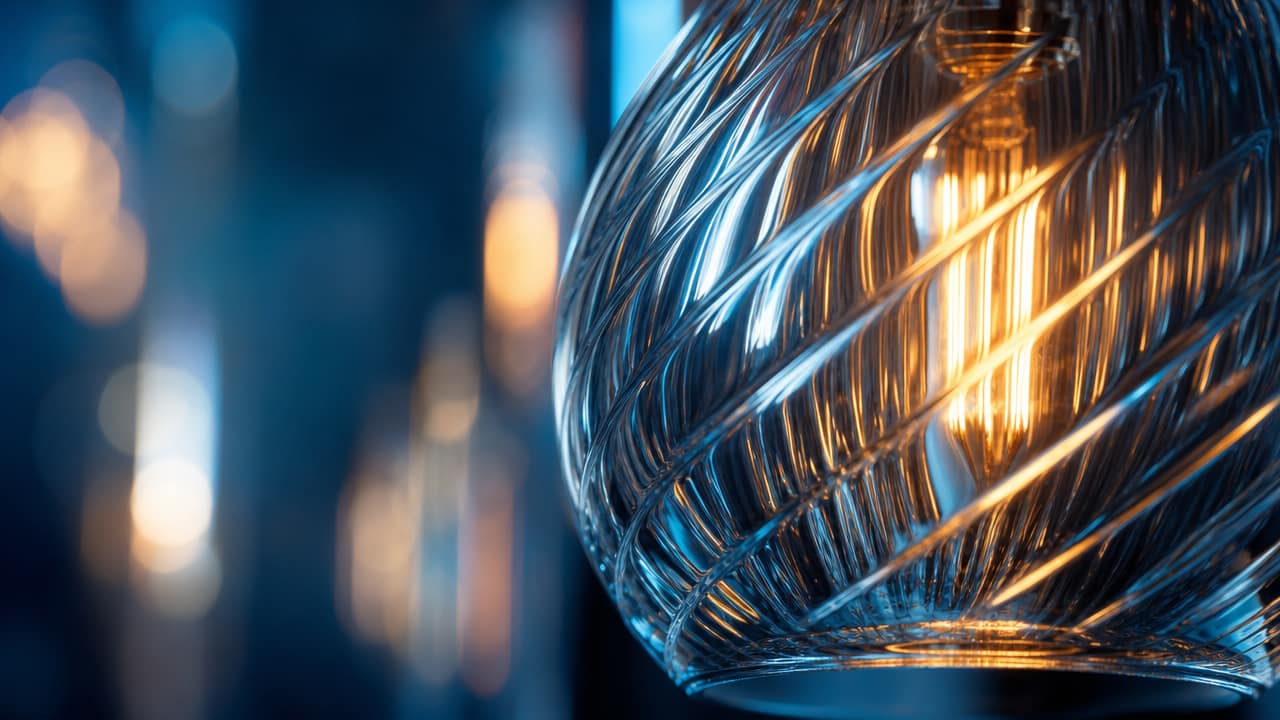
Warning signs include patchy pools of light, key exhibits in shadow and backlit branding for displays that looks either blown out or barely legible in photos. Another red flag is when staff complain that the stand feels hot, glary or exhausting to work in across a full show day. These issues often stem from ignoring beam angles, colour temperature, spotlighting product displays and how light interacts with printed or digital surfaces.
What often goes unnoticed is how lighting temperature and contrast shape mood and behaviour. Warm white tones can make hospitality or tourism brands feel welcoming, while crisp, cooler light supports medical or tech narratives and lighting for exhibition booths that require precision. Without a layered approach, even the best exhibition stand ideas struggle to guide the eye and invite visitors deeper into the space.
Australian exhibitors investing in creative lighting exhibition stand ideas typically integrate ambient, task and accent lighting early in the project. This allows power layouts, rigging points and compliance to be resolved well before bump-in. When lighting is left to the last minute, teams miss opportunities to align visuals with brand goals, undermining the potential of their carefully planned Exhibition Stand Design.
If your stand photos never quite match the concept renders, or your team reports that visitors seem to “skim and move on”, it may be time to reassess your lighting strategy. Consider how ambient light for visitor flow, targeted beams and subtle colour shifts could support your objectives, and seek expert advice on translating those concepts into practical on-site solutions.
Before your next show, take a critical look at how your stand is lit, ask staff about comfort across a full day and review how your displays photograph under hall conditions. If any of these reveal gaps, speaking with a specialist in exhibition environments can help you refine your approach and ensure lighting works as hard as the rest of your stand. Now is the moment to review, plan and book guidance, so your next event presence is illuminated to its full potential.
Input your search keywords and press Enter.