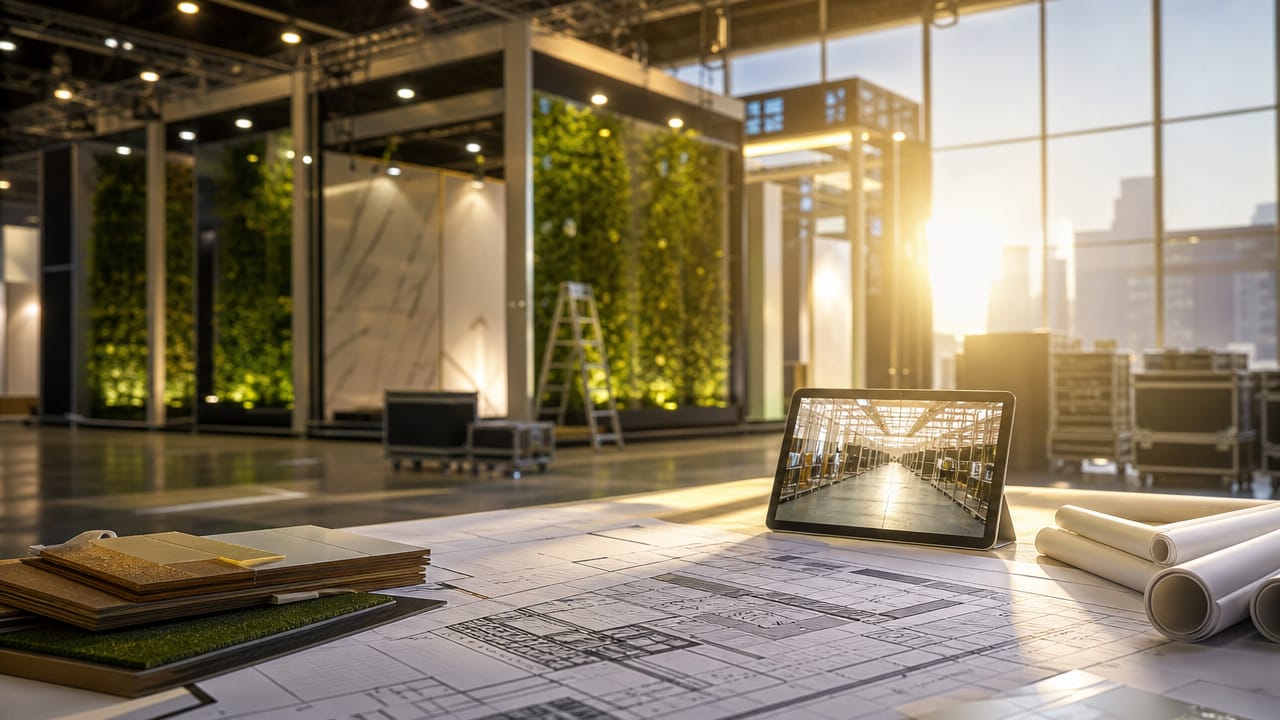



Efficient pre-event coordination and setup can make or break your next trade show in Australia. When planning slips, even the strongest brand concept struggles to cut through on the show floor. The real danger is that gaps in Exhibition Stand Planning only become obvious during bump-in, when there is little time left to fix them without blowing the budget or sacrificing quality.
Business events contribute billions to the Australian economy, yet many exhibitors still treat pre-show work as a low priority. Teams rush through stand approvals, underestimate logistics, and rely on outdated spreadsheets instead of a structured exhibition planning timeline. The result is a scramble to meet venue regulations, power orders, and freight cut-offs, often with conflicting information circulating between departments.
Custom builds need OH&S sign-offs, venue compliance checks, and several design revisions, all of which can stretch beyond initial estimates. Without a clear event setup timeline for exhibitors, late design decisions flow straight into production bottlenecks and spiralling costs. Missed rigging deadlines, unclear stand space planning considerations, and vague freight instructions are early signs that the foundations of your campaign are shaky.
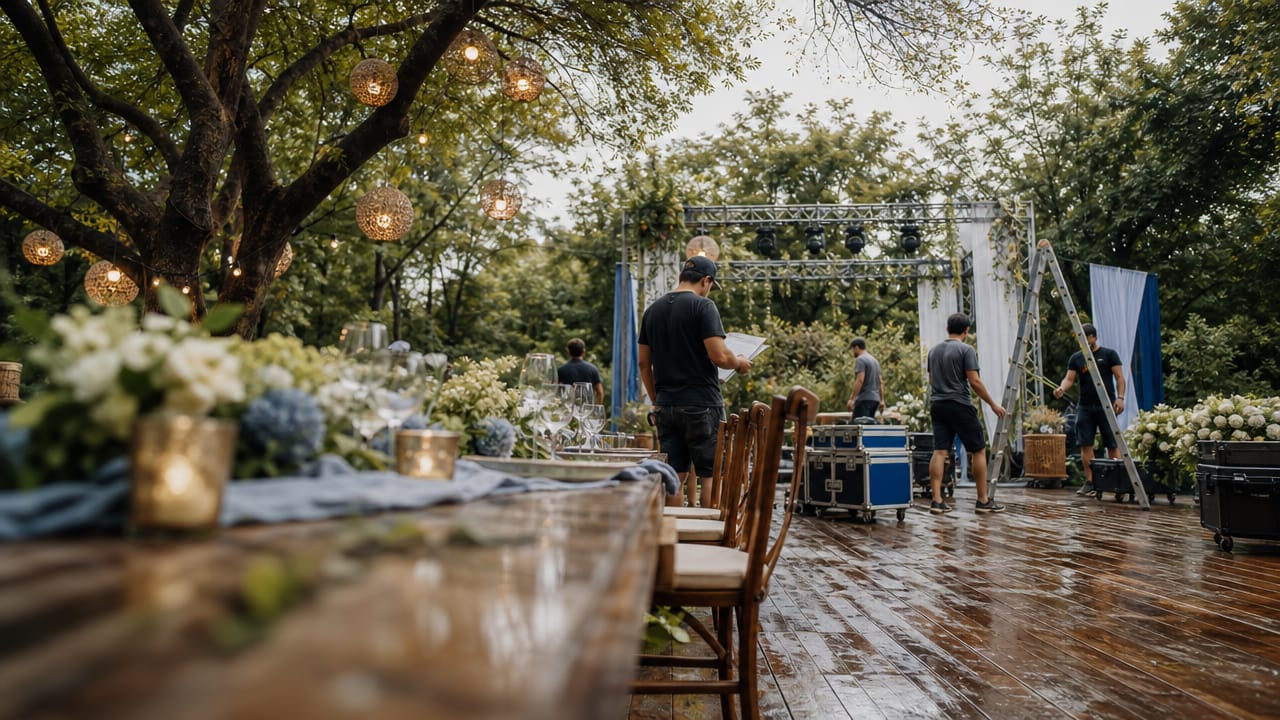
Weeks before bump-in, cracks start to show. Briefs change repeatedly, marketing collateral is still in design, and no one owns the pre-show planning responsibilities across teams. Freight sits unbooked, product samples lack tracking, and exhibition staffing requirements australia are discussed but never finalised. These common pre-event planning mistakes often lead to rushed decisions that damage lead generation and brand perception.
Last-minute fixes rarely stay contained. Express freight, overtime labour during bump-in, and reprints can erode ROI and distract staff from engaging visitors. A disciplined approach to Exhibition Stand Planning, supported by a realistic exhibition planning timeline, helps teams identify risks early and avoid reacting under pressure. If these warning signs feel familiar, now is the time to review your processes, speak with an experienced events specialist, and put a structured plan in place before your next show opens.
Input your search keywords and press Enter.