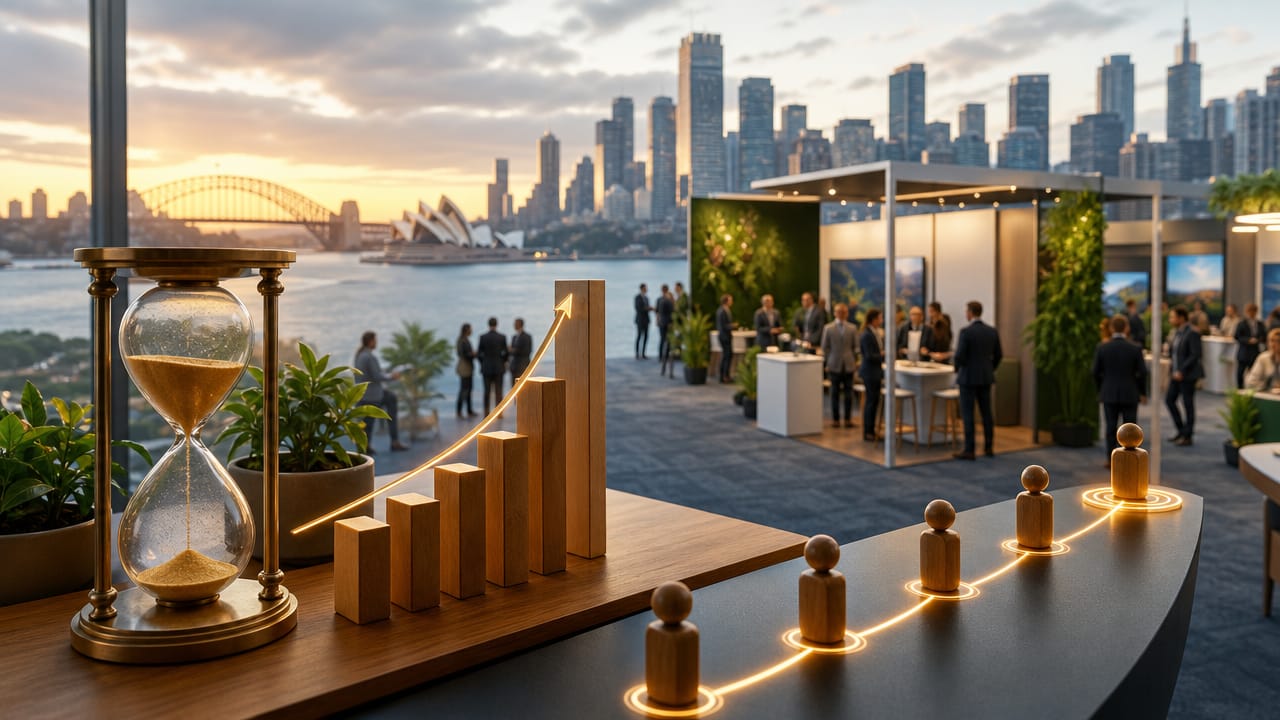



The Importance of Follow-Up Timing After Trade Shows is central to maximising the value of every conversation you have on the exhibition floor. When Australian businesses plan their follow-up with care, they turn fleeting stand visits into meaningful commercial relationships. Understanding how timing influences recall, responsiveness, and trust is essential for anyone serious about improving results from Trade Show Marketing.
Follow-up timing matters because memories fade quickly once a trade show ends and attendees return to full inboxes and competing priorities. Prompt, well-structured contact shows professionalism and genuine interest, which strengthens your exhibition marketing efforts. By reaching out while discussions are still fresh, you reinforce your value proposition and make it easier for prospects to take the next step. This approach also differentiates your brand from competitors who respond slowly or inconsistently.
Most specialists recommend contacting new leads within 24–72 hours of the event to keep momentum. During this window, your stand, team, and materials remain top of mind, making trade show promotion more effective. Over the following one to two weeks, schedule further touchpoints that add value rather than repeat the same message. After that, move to less frequent check-ins aligned with your sales cycle and the prospect’s buying timeframe.

Begin by segmenting your database according to interest level, budget, and timeframe, as this improves exhibition lead generation and prioritisation. High-priority contacts should receive a personalised phone call or meeting invite, supported by tailored trade show follow-up emails. For colder leads, send concise messages that reference your discussion, share relevant resources, and propose a light next step. A clear exhibition lead follow-up strategy, supported by your CRM, reduces the risk of missed opportunities or duplicated outreach.
Many exhibitors wait more than a week to follow up, by which time australian trade show prospects may no longer recall your stand or offering. Generic mass communications that ignore individual needs can damage credibility and slow the post-event sales pipeline. Another frequent error is focusing only on immediate deals rather than longer-term post-show lead nurturing. Finally, failing to measure results and document exhibition follow-up best practices makes it difficult to refine your approach across future events.
For Australian exhibitors, mastering timely exhibition follow-up can significantly improve the likelihood of converting trade show leads into loyal customers. By preparing your plan before the event, training staff to capture detailed notes, and standardising key steps, you create a repeatable system. Consider typical questions, decision-makers, and buying stages so your messages are relevant and respectful of each prospect’s position. To deepen your understanding, speak with your sales and marketing teams about how they can better align around trade show follow-up emails and related processes.
If you want to strengthen your trade show results, review your current follow-up timing, tools, and messaging, then refine them based on the principles above. Encourage your team to test different approaches, document what works, and share lessons across future exhibitions. Taking a structured, educational approach to follow-up will help you make better decisions and achieve stronger commercial outcomes. To explore how these concepts apply to your organisation, consider arranging a session with your internal experts to map your next trade show and clarify your follow-up strategy before you step onto the show floor.
Input your search keywords and press Enter.