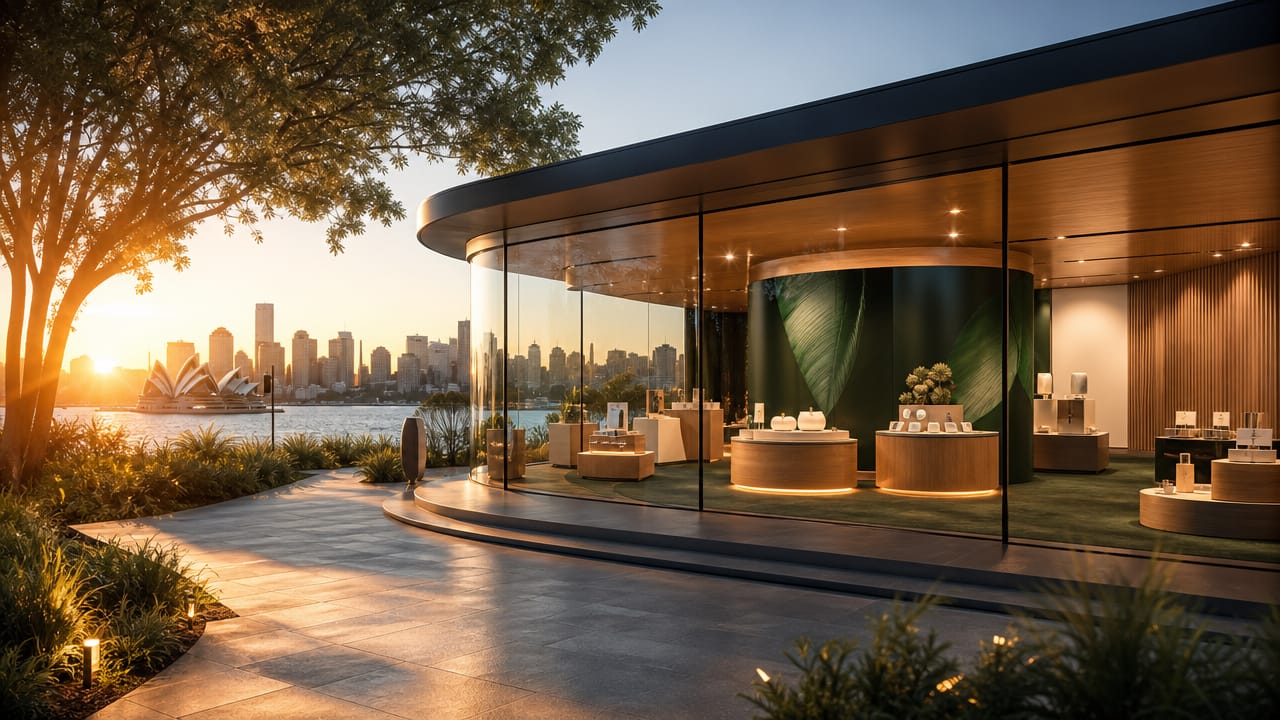



Product Displays: Best Practices for Showcasing Your Offerings
Product displays are a frontline communication tool for Australian brands competing in crowded trade shows and retail environments. Beyond holding stock, they signal positioning, frame the customer journey, and support sales conversations. When thoughtfully planned, product displays unify Exhibition Stand Design, storytelling, and practical wayfinding so visitors immediately understand what you offer and why it matters. This is especially important in Australia’s major expo hubs, where buyers move quickly between stands and form first impressions in seconds.
For brands that exhibit regularly, modular systems and custom exhibition stands represent two core solution paths. Modular frameworks allow interchangeable panels, shelving, and lighting to be reconfigured for different venues, keeping costs and logistics manageable. Custom-built environments, on the other hand, deliver distinctive forms, premium finishes, and integrated technology suited to hero product launches. Many marketers now blend retail-style visual merchandising for trade shows with digital touchpoints, creating product-focused booth layouts that feel both shoppable and informative.
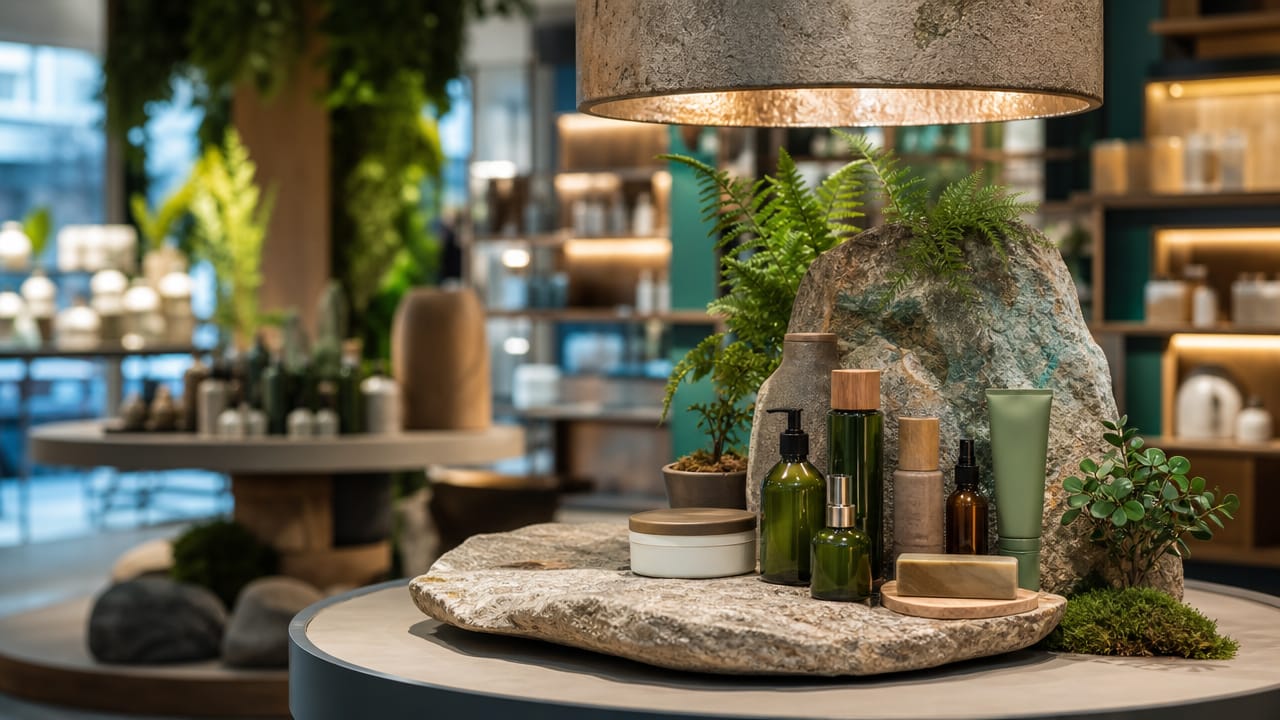
Exhibitors handling technical, oversized, or safety-sensitive products increasingly turn to interactive product display ideas such as touch screens, AR demos, and QR-led content hubs. These tools let visitors explore specifications, watch installations, and save brochures to their phones without handling every item. Strong lighting design for product showcases then directs attention to hero zones, improves photography, and supports branding graphics for exhibition stands. Combining digital storytelling with clean sightlines and open-plan custom stand concepts helps Australian brands encourage dwell time without creating bottlenecks.
When comparing options, decision-makers should weigh how well each concept supports clear storytelling, sampling, and data capture. For some sectors, industry-specific exhibition display design is essential to meet compliance, safety, or demo requirements. In others, bold exhibition stand ideas and simple product groupings deliver the strongest commercial returns. Partnering with a specialist in Exhibition Stand Design can help translate your brief into layouts, finishes, and technology choices that align with budget and brand. This expert view is particularly useful when refreshing product displays across multiple states or exploring new markets.
To move forward, review how your current displays perform against these best practices, from traffic flow to engagement and lead quality. Identify gaps in interactivity, lighting, and messaging, then map which solutions—digital tools, structural upgrades, or new merchandising—will have the most impact. If you are planning a major expo or retail rollout, consider commissioning expert advice to refine concepts, prototype product zones, and coordinate logistics. Now is an ideal time to compare your options, request tailored recommendations, and book a consultation to develop a display strategy that works across your full events program.
Input your search keywords and press Enter.