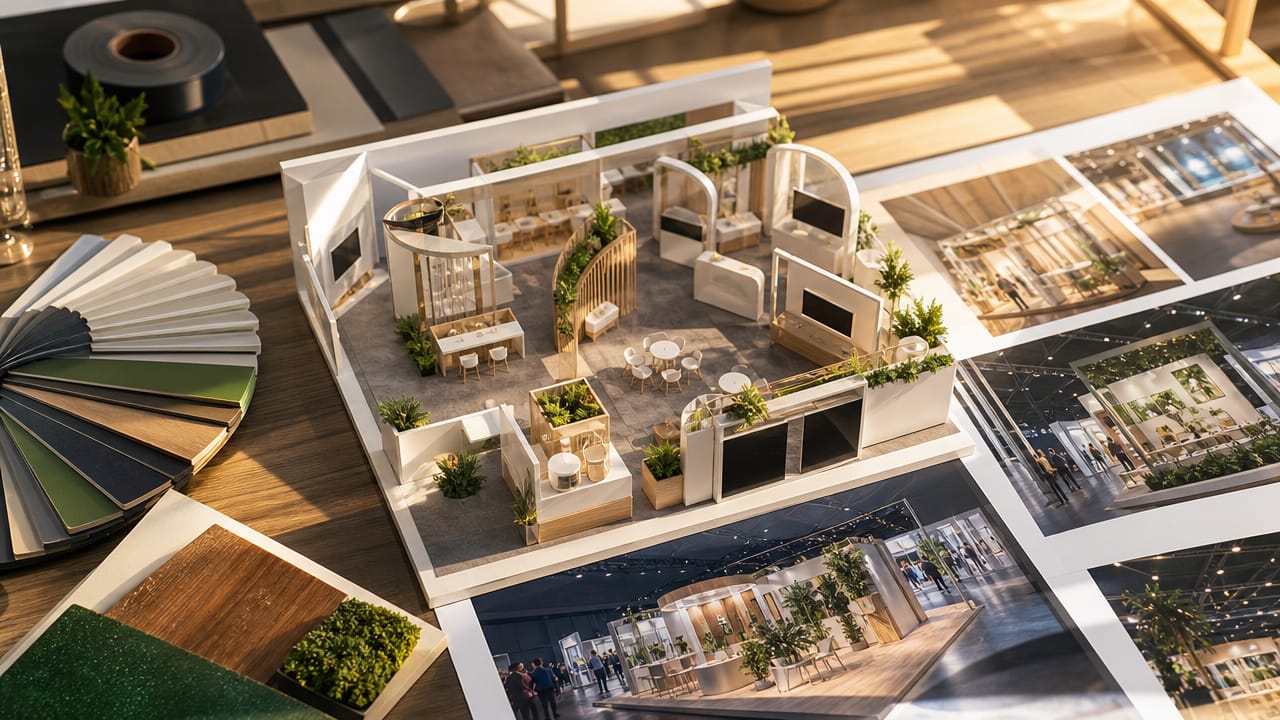



The Role of Communication in Successful Stand Projects in Australia is increasingly under scrutiny as event budgets tighten and expectations rise. For brands investing heavily in trade shows, a stand that looks impressive but misses the brief is no longer acceptable. Clear, traceable dialogue from the first discovery call to post-event debriefs is now seen as a risk-management tool as much as a creative enabler.
Australian exhibitors operating at events such as Fine Food Australia and Australian Healthcare Week juggle multiple suppliers, complex logistics, and tight bump-in windows. The Role of Communication in Successful Stand Projects in Australia becomes obvious when even a minor misunderstanding on power, rigging, or compliance can derail weeks of planning. Detailed written briefs, shared timelines, and agreed escalation paths help teams navigate venue rules, union requirements, and last-minute organiser changes without panic.
Good communication aligns project delivery, brand storytelling, and on-stand engagement. When marketers, sales leaders, and Exhibition Stand Builders work from a single, updated source of truth, design decisions reflect real objectives rather than assumptions. Annotated 3D renders, clear sign-off stages, and concise staff briefings ensure the final build, technology, and demo flow support measurable goals such as lead quality, product education, or partner meetings.

Australian teams are increasingly turning to cloud platforms such as Trello, Asana, and Monday.com to centralise files, approvals, and change requests. For smaller regional shows, email threads and a single coordinator may still work, but larger national expos benefit from structured meeting cadences, risk registers, and shared run sheets. Choosing the right mix of tools depends on stand size, technical complexity, and how many internal stakeholders need visibility across marketing, logistics, and finance.
When shortlisting exhibition stand companies, decision-makers increasingly look beyond visuals to process and communication style. Evaluating local exhibition stand companies on how they document changes, manage approvals, and provide on-site reporting offers a clearer view of how they perform under pressure. Many teams now prioritise a strong working relationship with exhibition stand builders who can act as translators between creative ambitions and operational realities, especially for interstate events or multi-show programs.
Brands with lean internal event resources often benefit from partners who can guide them through assessing experience of exhibition stand companies and selecting the right communication framework. An experienced agency can recommend whether simple weekly updates or a full project governance structure is best for your risk profile and budget. To explore structured support and compare options for your next event, consider speaking with specialist trade show stand builders who understand Australian venue conditions and can help you refine your communication approach before the next show cycle.
Input your search keywords and press Enter.