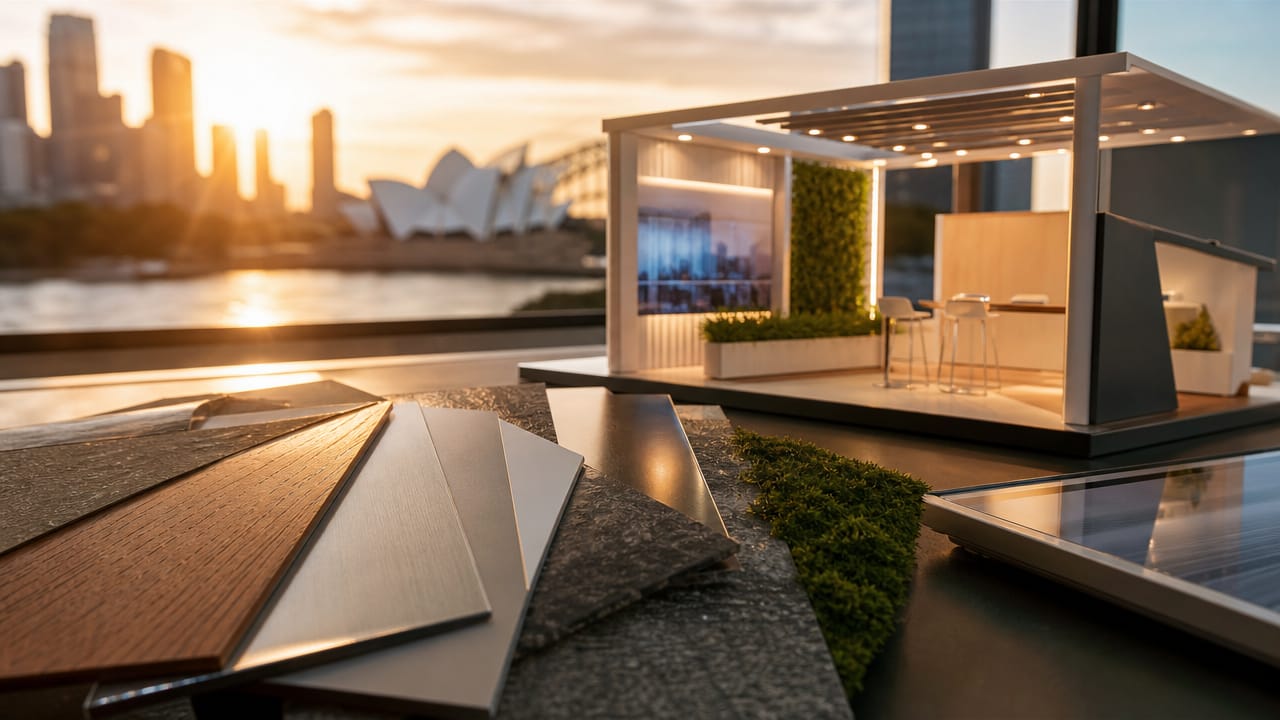



In Australia, Exhibition Stand Costs in 2026 are being reshaped by inflation, shifting design expectations and the return of full-scale trade fairs. Marketing teams under pressure to justify every dollar now need clearer exhibition stand pricing, along with practical ways to protect impact while keeping risk under control. The core decision is no longer simply how the stand looks, but which mix of build method, technology and services best fits a tight trade show budget.
The biggest exhibition stand cost factors remain stand size, complexity and materials, with venue and organiser fees sitting close behind. A compact modular booth at a regional event will carry a very different custom stand cost breakdown to a multi-storey build at the ICC Sydney or MCEC. Sustainable systems, such as reusable aluminium frames and FSC-certified timber, often cost more upfront but can reduce long-term exhibition spend across multiple shows.
Australian exhibitors typically choose between fully custom builds, modular systems or rental solutions, each with its own balance of cost, flexibility and impact. Custom stands suit brands chasing a flagship presence, but they require higher capital, detailed engineering and closer scrutiny of hidden exhibition stand fees such as certifications and approvals. Modular and rental configurations work well for exhibition stand budget planning where teams attend several smaller events and need repeatable, adaptable designs that travel easily.
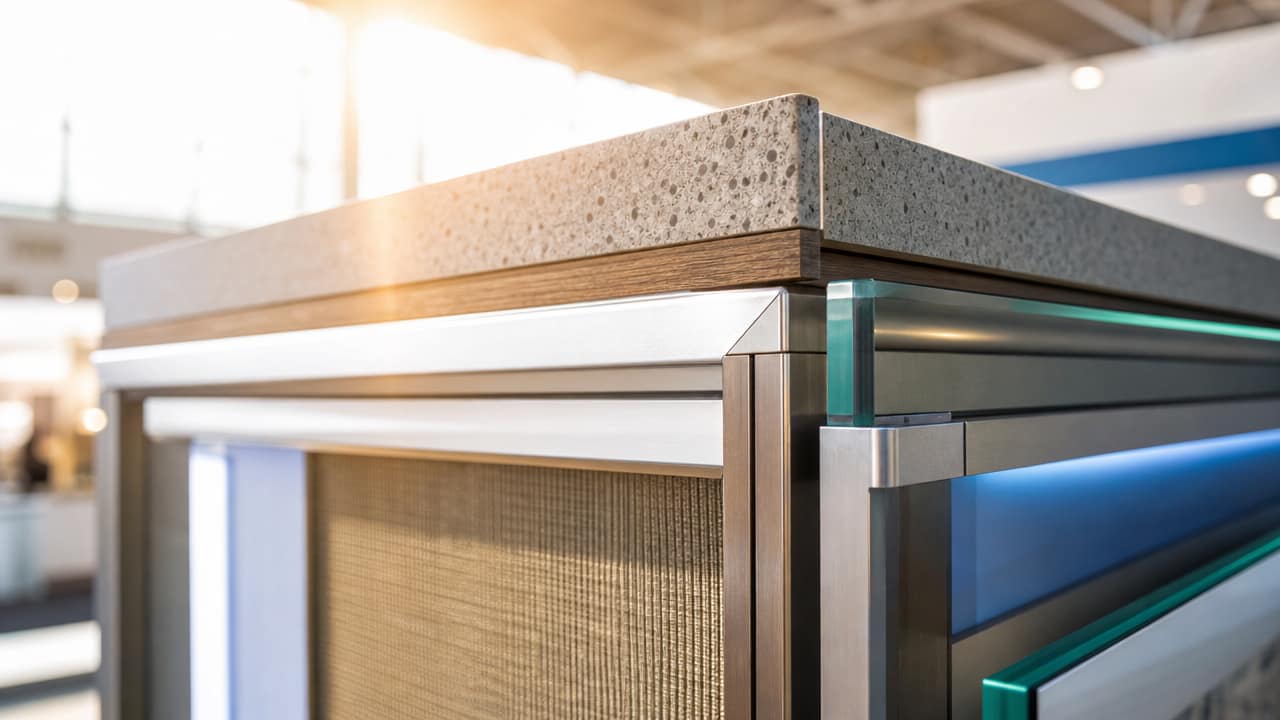
LED walls, touchscreens and interactive experiences are now central to many stands, and can rival the physical structure in cost if not planned carefully. A practical trade show costing guide will consider content production, licences, internet connectivity and on-site technical support, not just the hardware. On the logistics side, freight, storage, and labour and installation charges continue to rise with fuel costs and tight build windows in capital city venues.
To make informed decisions, Australian marketers need more than a one-line price; they need a clear explanation of exhibition stand cost factors, trade-offs and long-term value. A consultative partner can map scenarios across a full show calendar, revealing where modular elements, shared storage or refined technology specs can aid controlling exhibition spend without dulling brand presence. For teams planning 2026 campaigns, the next step is to sit down with an experienced exhibition specialist, review your calendar and objectives, and build a realistic plan that turns your trade show budget into measurable outcomes – starting with a structured conversation about your priorities and a tailored set of options for the year ahead.
Input your search keywords and press Enter.