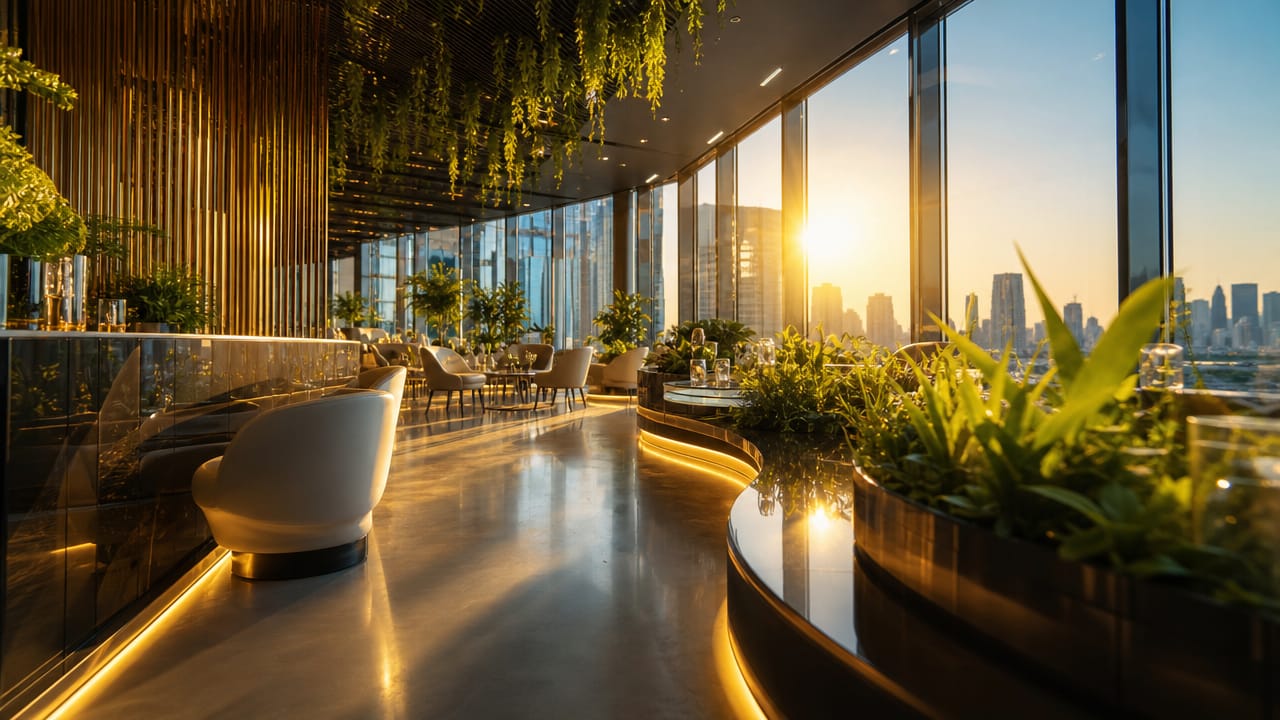



Designing for networking is rapidly becoming a strategic priority for brands seeking real commercial outcomes from trade shows and conferences. In Australia’s crowded events calendar, a stand that facilitates meaningful conversations will outperform one that simply dominates on size or spectacle. When planned well, Exhibition Stand Design can transform a static footprint into a dynamic relationship engine that attracts, hosts and progresses high-value connections.
In a networking-first environment, the stand is no longer a backdrop for branding; it is infrastructure for conversation, collaboration and conversion.
Networking-centric stands start with considered flow rather than decoration. Open layouts, clear sightlines and multiple entry points reduce the psychological barrier of “stepping onto” a stand and instead invite visitors to drift in. This is where networking-focused stand layouts outperform traditional, enclosed footprints that feel territorial. For Australian organisers under pressure to prove ROI, connecting spatial design to engagement and pipeline metrics is now a board-level discussion, not just an aesthetic choice.
Counting scans is no longer an adequate measure of success; senior marketers are refocusing on the number, length and quality of conversations hosted. Semi-enclosed lounges, branded meeting pods and quiet corners away from aisle noise signal that deeper discussions are welcome. When combined with thoughtful exhibition booth design, these pockets allow teams to qualify interest, map buying committees and explore partnership opportunities that rarely emerge from hurried aisle chats.
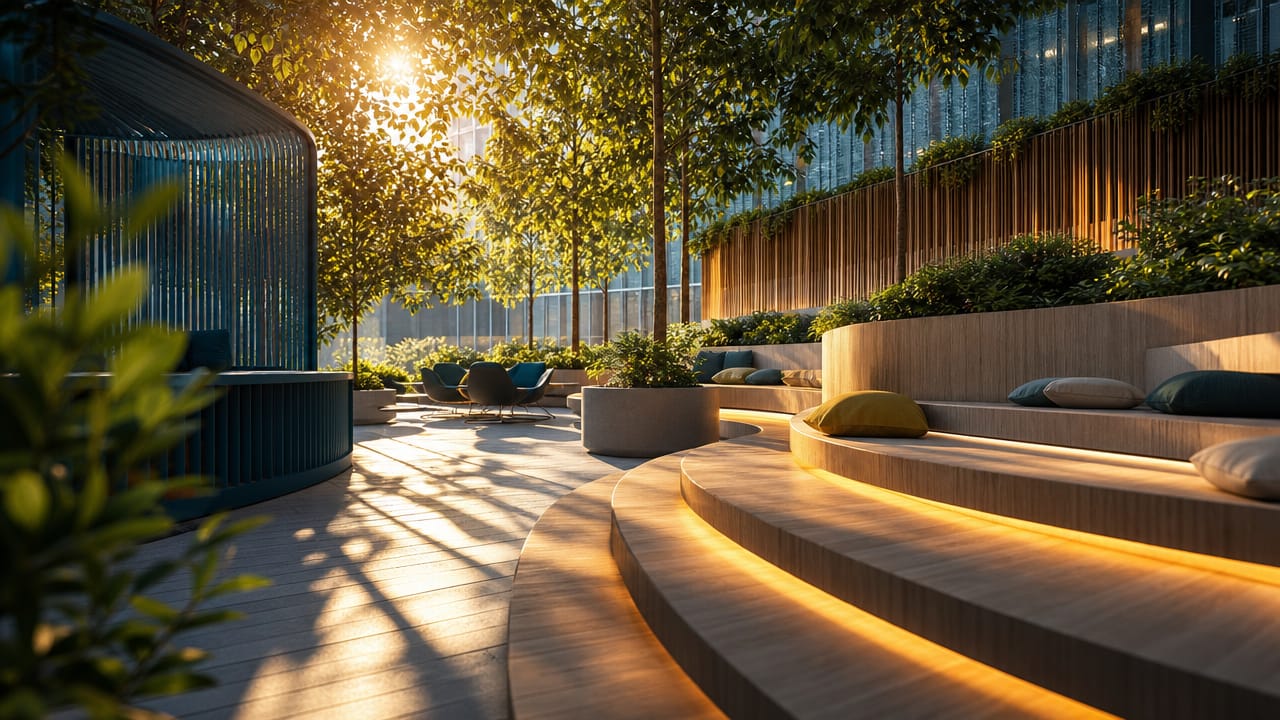
Technology now shapes how conversations begin, but it should never replace them. Interactive demo stand design, immersive product display zones and lead apps work best when they create natural handovers to your team, not when they trap visitors in self-service mode. Equally, comfort and inclusion matter: varied seating, wheelchair-friendly circulation and sensory-aware lighting keep people on the stand longer. Coupling these elements with modular custom stand concepts and low-energy systems allows brands to talk credibly about sustainability as well as performance.
Looking ahead, the most effective exhibition stand ideas will be those grounded in data and behavioural insight, not just visual impact. Marketers are already trialling visitor flow optimisation in stands, using discrete sensors to understand where people pause, cluster and convert. When paired with open-plan exhibition booths, high-impact stand graphics and custom exhibition stands tailored to priority segments, these insights create a powerful competitive edge. For teams reviewing their next event, now is the time to rethink stands as networking infrastructure rather than static branding assets.
To turn your next event into a pipeline-building opportunity, audit how your current stand supports conversation, comfort and follow-up rather than simply footfall. Explore how networking-first spatial planning, immersive yet human-centred tech and flexible materials can reshape your Exhibition Stand Design into a true relationship engine. Engage your internal stakeholders early, align on the right success metrics and consider partnering with specialists who understand both design and commercial outcomes. To explore what a networking-led stand could look like for your brand, speak with an expert and start mapping your next show floor strategy today.
Input your search keywords and press Enter.