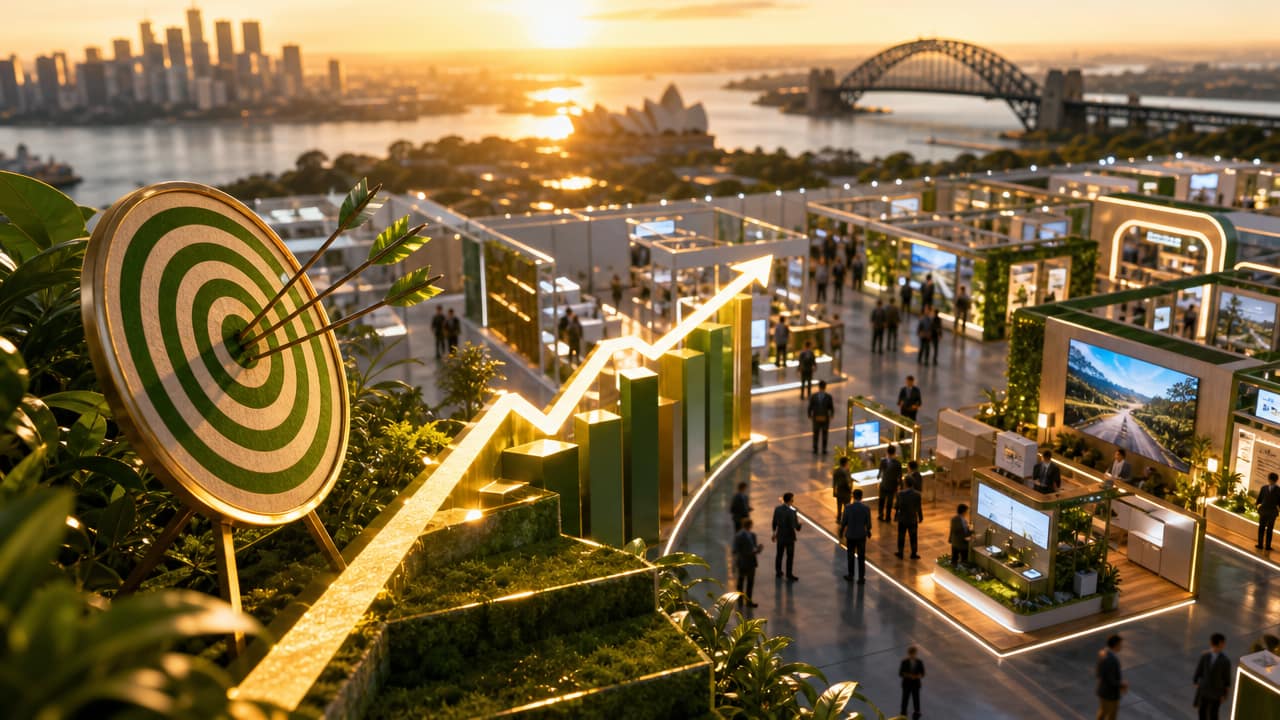
How to Set Clear Objectives for Your Trade Show
How to Set Clear Objectives for Your Trade Show is a pressing question for Australian businesses investing heavily in exhibitions. Stand space, freight, travel and staffing can quickly absorb a sizeable portion of the annual marketing budget, so vague ambitions are no longer enough. Clear goals turn an expensive appearance into a measurable campaign, guiding everything from theme to technology. Industry data shows exhibitors typically focus on lead generation, brand visibility and relationship-building, but weighting these priorities upfront is what allows meaningful comparison with other channels. A focused trade show preparation process starts with defining what success looks like in hard numbers.
Most exhibitors blend several goal types, including qualified leads, direct sales, product launches, customer meetings and content capture. High-value B2B firms often set lower-volume targets around scheduled meetings, demos and proposal opportunities, supported by a specific staffing plan for trade shows. Consumer brands, by contrast, may chase reach metrics such as samples distributed, competitions entered and social media interactions. Increasingly, marketers also treat the show as a content hub, planning interviews, testimonials and live-stream segments in advance. Aligning these aims with your budget and Exhibition Stand Planning ensures that stand design, messaging and interactive elements all serve the same priorities.
Effective trade show goal setting relies on the SMART framework: Specific, Measurable, Achievable, Relevant and Time-bound. Instead of simply seeking “lots of leads”, an exhibitor might aim to “capture 250 qualified leads with 40 per cent progressing to proposals within three months”. Comparing these numbers with prior events or an australian exhibition planning guide helps test whether targets are realistic. Lead capture apps, QR codes, booking tools and manual tally sheets can each work, provided they integrate cleanly with your CRM. A well-structured event readiness checklist for exhibitors should track stand visits, demo participation, meetings held and post-show conversion, not just headline lead counts.
Once goals are set, the challenge is aligning activity across marketing, sales and finance. A structured exhibition planning checklist clarifies who owns pre-show invitations, in-stand engagement, follow-up and reporting. Many organisers map a pre-event stand planning timeline that covers messaging, stand build, training, logistics and lead-nurture workflows. This structured approach helps teams distinguish between essential metrics and nice-to-have data. Documenting your exhibition stand planning process also makes it easier to refine targets for the next show, comparing performance by objective rather than by gut feel. The result is a more accountable trade show program that can be defended at budget time.
For exhibitors asking how to Set Clear Objectives for Your Trade Show, speaking with specialist consultants and stand builders can fast-track the process. Experienced partners can translate commercial goals into layout, visitor flows and engagement tactics that work on busy Australian show floors. They can also stress-test your exhibition planning timeline, ensuring sales teams, technology and logistics are ready before doors open. Before you lock in your next event, take time to compare your options, clarify your objectives and seek expert advice on aligning stand design, staffing and measurement with your targets. A short planning session now can be the difference between a costly appearance and a trade show presence that consistently delivers measurable results.
Input your search keywords and press Enter.