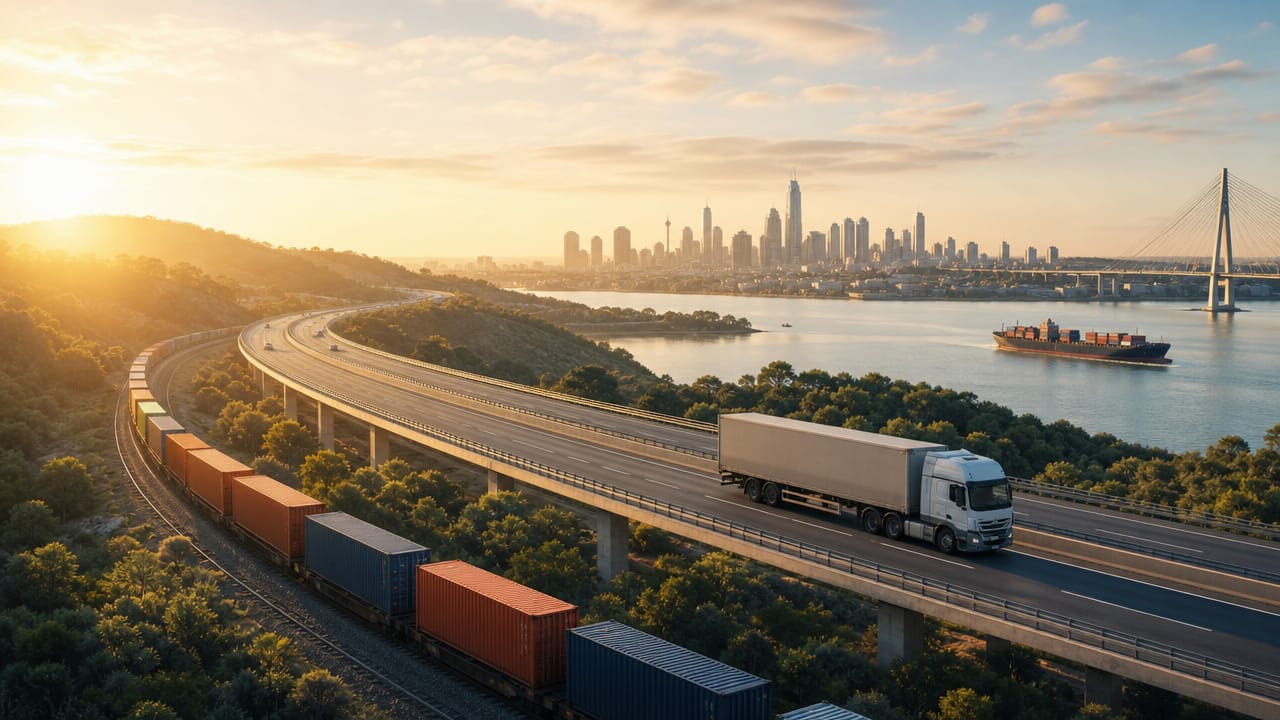
Interstate Freight Planning in Australia is becoming more complex as businesses juggle long distances, tight delivery windows, and rising costs. Shippers now expect end-to-end visibility, strong compliance, and scalable solutions that can cope with seasonal peaks or major events. Understanding the range of planning approaches and service options available is essential to building a resilient, cost-effective network that can support growth.
Strategic interstate freight planning typically combines long-term network design with day-to-day execution. At a high level, operators must align routes, modes, and schedules with Australia’s Heavy Vehicle National Law, fatigue rules, and Chain of Responsibility obligations. This means choosing carriers with strong safety systems, reliable maintenance programs, and clear processes for handling dangerous goods or oversize loads. For many shippers, outsourcing compliance-heavy tasks to specialists allows internal teams to focus on customer service and inventory management rather than legislation.
Modern planning relies heavily on digital tools that evaluate road conditions, congestion, rest areas, tolls, and weather in real time. Telematics and freight management systems help planners compare road, rail, and intermodal options, balancing cost, speed, and reliability for each lane. For example, combining rail linehaul with short road shuttles can reduce emissions and costs on high-volume corridors, while direct road services remain essential for remote areas and urgent deliveries. These same tools are increasingly used to coordinate exhibition freight and other event-driven loads that demand precise timing and clear Proof of Delivery.
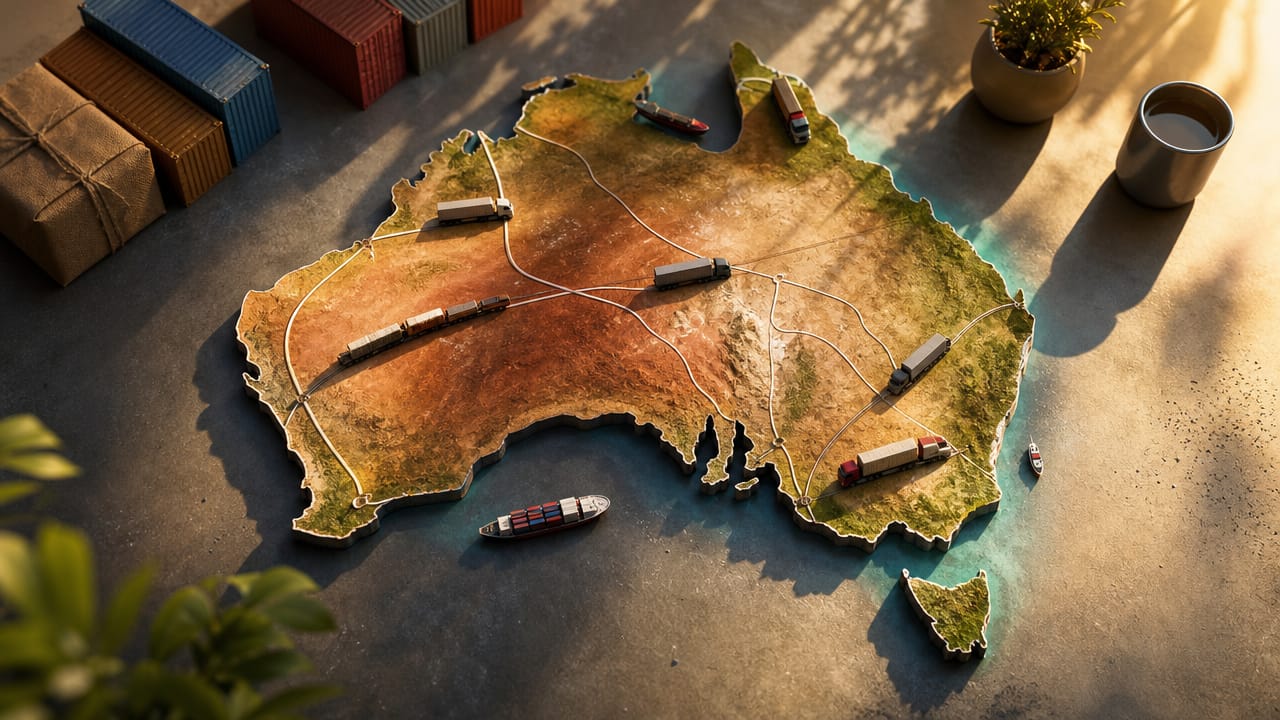
Shippers can choose from full truckload, less-than-truckload, consolidated freight, and time-definite services, each suited to different freight profiles and risk appetites. Time-critical and high-value movements, including Exhibition Logistics and Freight, often require GPS-tracked vehicles, dedicated vehicles, or dual drivers. When organising trade show logistics or interstate exhibition freight planning, planners must also account for event venue delivery logistics, labour availability for bump-in and bump-out, and secure storage for exhibition gear between shows. Comparing service models on cost, transit time, flexibility, and contingency planning helps businesses minimise exposure to delays and damage.
For many organisations, the most effective pathway is partnering with experienced providers who can integrate interstate freight with specialist event services when required. A consultative freight partner will help design lane-by-lane solutions, model total landed costs, and test different scenarios before changes go live. If your current network is under pressure, now is the time to review contracts, KPIs, and technology support. Speak with an expert planner to compare options, stress-test your interstate strategy, and build an interstate freight planning framework that can handle both everyday volumes and peak event periods with confidence.
Input your search keywords and press Enter.