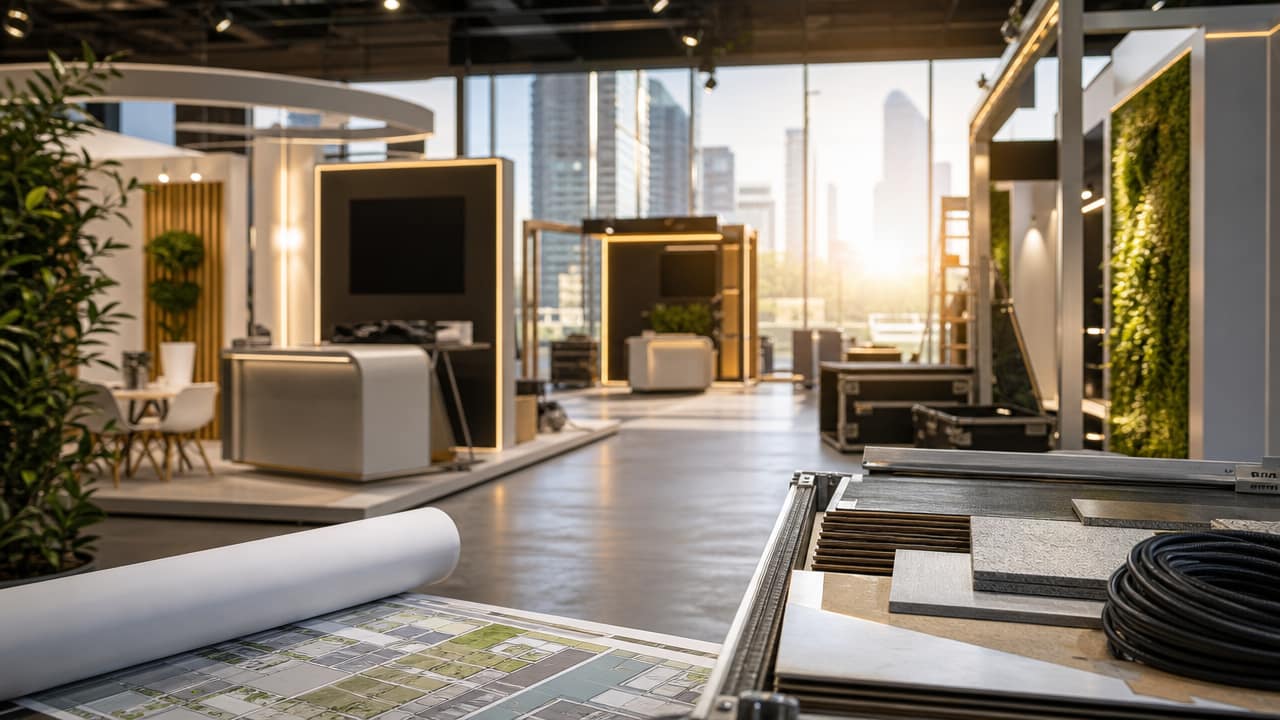
Australia’s major venues are filling fast again, and brands are jostling for attention on packed show floors. In this climate, disciplined Exhibition Stand Planning is less a nice-to-have and more a survival skill for marketers who need measurable outcomes from every square metre of space. Smart exhibitors are shifting focus from last‑minute logistics to structured, solution‑focused planning that starts months before bump‑in.
Clarity on goals underpins every decision, from stand size to staffing. Start your exhibition planning checklist by defining whether you’re chasing qualified leads, on‑stand sales, media exposure or partner meetings, then rank these objectives. Those priorities guide choices between custom, modular and portable displays, each with different strengths in flexibility, impact and cost. A custom build suits brands needing immersive experiences and complex product demos, while modular systems work well for a repeatable, cost‑controlled program across multiple states. Portable solutions can be enough for niche events where traffic is lighter and budgets leaner.
Once the concept is set, turn to technical requirements that can make or break your trade show preparation. Licensed venue electricians must handle all on‑site wiring, so calculate your total power load for lighting, AV, refrigeration and interactive tech early. If demos rely on cloud platforms, don’t assume public Wi‑Fi will cope; assess whether you need dedicated wired connectivity as part of your detailed exhibition planning schedule. Factor test‑and‑tag rules, fire regulations, sightline constraints and engineering approvals for rigging or double‑storey elements into your exhibition planning timeline to avoid costly redesigns on site.
Freight, storage and people plans are where a pre-event stand planning guide becomes operational. International freight needs additional time for customs clearance, while even local freight benefits from a clear pre-show exhibition task list that covers delivery windows, storage of empties and insurance. On the human side, an exhibition stand staffing plan should spell out roles for greeters, product specialists and closers, backed by short, scenario‑based training sessions. Deciding on badge scanners, tablet forms or card‑scanning apps ahead of time – and integrating them with your CRM – ensures leads are captured and followed up rather than lost in a post‑show fog.
For teams with limited in‑house resources, expert support can turn a complex project into a manageable program. Specialist agencies bring tested systems, from Exhibition Stand Planning frameworks to on‑site troubleshooting, and can scale efforts across multiple cities without losing consistency. The best partners offer transparent budgeting, options tailored to different show tiers and practical, data‑driven reporting rather than generic post‑event gloss. If you’re planning your next event, consider speaking with an exhibition specialist to compare stand formats, refine your planning workflow and lock in a strategy that delivers stronger results from your next show.
Input your search keywords and press Enter.