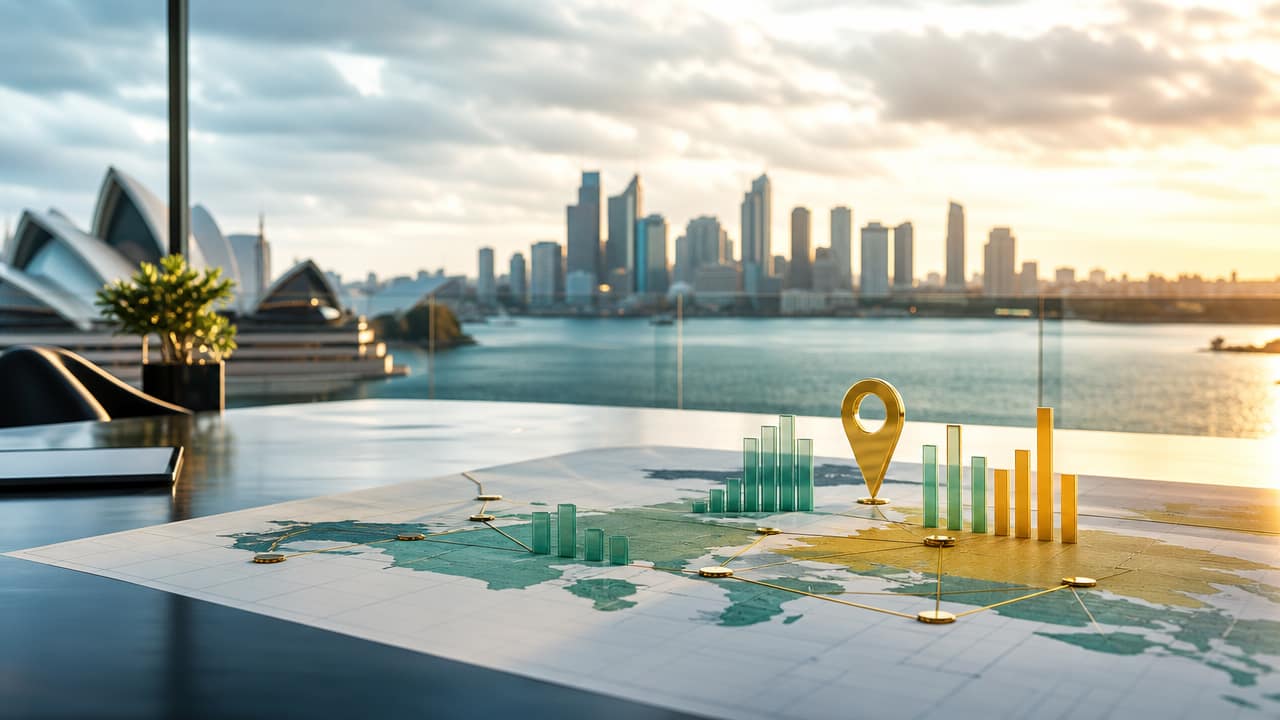



Using data to drive your trade show decisions is essential for Australian businesses that want consistent returns rather than one-off wins. When you treat events as measurable investments, you can compare shows objectively and refine budgets with confidence. The primary goal of data-driven decision-making is to understand which activities genuinely support your sales pipeline and which simply create noise. This approach suits marketing, sales and leadership teams seeking predictable outcomes instead of relying on gut feel or tradition.
Before committing to an event, review audience fit and historical performance. Ask organisers for visitor numbers, seniority profiles and buying authority, then compare these with your ideal customer. Combine this information with your own exhibition marketing results, including cost per lead, average deal size and time to close. Over several years, this will reveal which events justify larger stands, and which should be removed from your calendar.
Effective Trade Show Marketing starts with clear objectives and measurable metrics. Decide whether your priority is new leads, partner meetings, product launches or media exposure, then assign targets and budgets. From there, you can apply data-driven exhibition marketing principles, such as tracking cost per qualified meeting and pipeline value created. This makes it easier to assess performance alongside other channels like digital advertising or webinars and supports more balanced marketing decisions.

In the planning phase, map out the metrics you will use to judge success. These often include target accounts attending, expected meetings, projected pipeline, and estimated trade show promotion costs. During the event, record leads scanned, meeting notes, decision-maker status and next steps to support reliable exhibition lead generation. Capturing this consistently allows you to measure exhibition lead quality rather than focusing only on volume, which can be misleading.
After the event, compare actual results with your goals using a simple scorecard. Track closed revenue, conversion from lead to opportunity and overall improving trade show promotion ROI. You may also monitor trade show promotion analytics, such as session attendance or digital content downloads, to understand which messages resonated. Over time, these data insights for exhibition marketing will highlight which shows, stand designs and engagement tactics contribute most to growth.
As your dataset grows, you can move from basic reporting to data-backed exhibition lead strategies. This may involve ranking events by exhibition lead generation metrics or optimising trade show promotion activities such as demos, presentations and hosted meetings. Australian organisations often start with spreadsheets, then progress to integrated CRM dashboards that measure exhibition lead quality across multiple years. When you are ready to deepen your approach, consider speaking with a specialist who can help you interpret the numbers and structure a repeatable framework for future events.
Input your search keywords and press Enter.