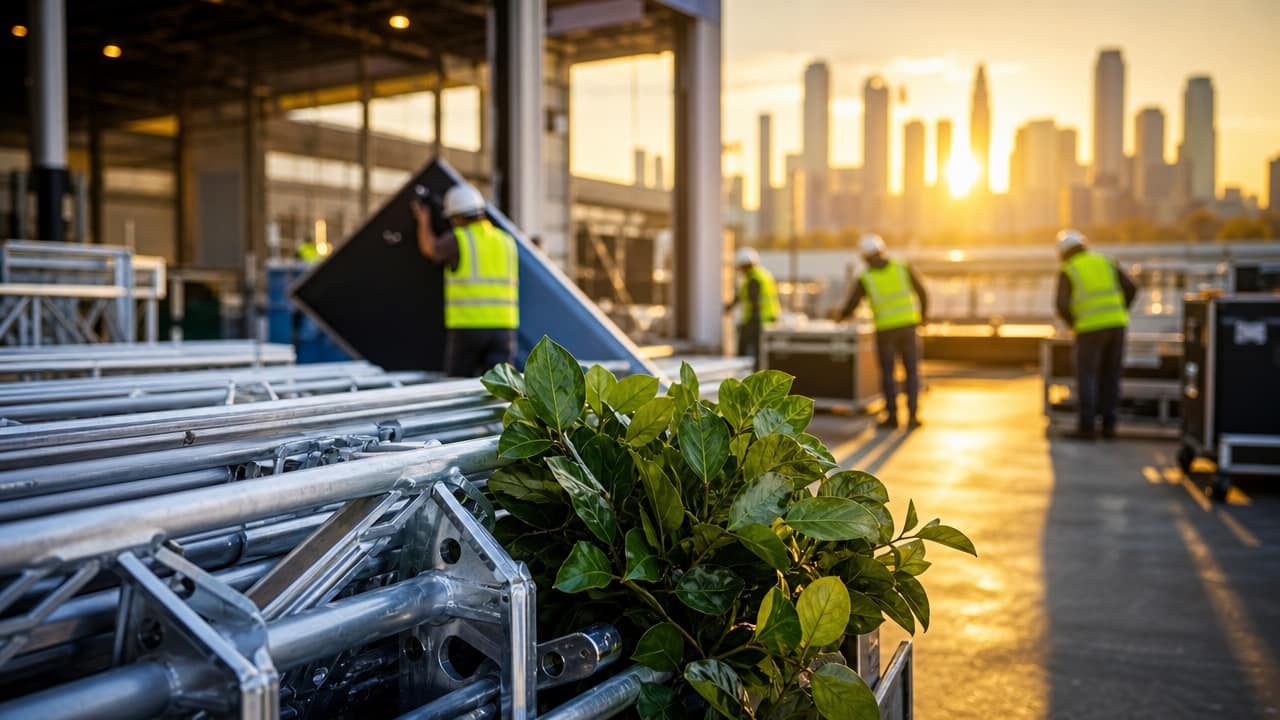



Efficient exhibition stand dismantling services are now a strategic differentiator, not just an operational necessity. In Australia’s major venues, the pressure of fixed bump-out windows, rising labour costs, and strict WHS rules means that poorly planned pack-downs quickly erode ROI. Treating dismantle as a designed process, rather than an afterthought, is what separates exhibitors who protect their assets and brand reputation from those who burn budget and goodwill at the loading dock.
“The most successful exhibitors manage dismantle with the same discipline and data as build day – that’s where real operational advantage is created.”
Planning for efficient exhibition stand dismantling services should begin at concept and build documentation, not during the closing announcement. Teams that log every component, photograph critical joins, and map cable paths can reverse the build with confidence and speed. This structured approach supports accurate exhibition freight planning and reduces last-minute repacking that drives overtime. In Australia’s tighter environmental expectations, it also enables better segregation of reusable elements, recyclables, and hazardous components.
The pack-down window is when decisions made in minutes can impact three to five future shows. Rushed dismantles tend to damage joins, chip finishes, and shorten the lifespan of modular inventory. They also increase risks around venue loading dock access, as contractors scramble to secure space and meet cut-off times. Forward-looking marketers now see dismantle as a control point for cost, sustainability, and speed-to-market for their next campaign.

Operational excellence on the show floor depends on tightly integrating Exhibition Logistics and Freight planning with WHS and venue compliance. Assigning a dismantle lead who sequences AV, power isolation, structures, and graphics minimises delays and safety incidents. Clear labelling, robust crates, and discipline when packing exhibition equipment for transport also reduce claims and remakes. For brands moving between states, smarter interstate trade show freight strategies can significantly compress turnaround times.
Strategic exhibitors now view dismantle as a data-rich moment that informs future trade show logistics decisions. Tracking actual hours, damage rates, and end-of-show freight pickup delays reveals bottlenecks that can be engineered out. Over several events, this discipline cuts demurrage, improves exhibition transport reliability, and supports more predictable return freight for exhibition stands. In some cases, temporary storage for display materials between shows can be more cost-effective than repeated long-haul moves.
Australian marketers who want to stay ahead should audit their current exhibition stand dismantling services, map responsibilities, and clarify escalation paths for coordinating carriers after event close. Wherever possible, specify modular systems and crate layouts designed for rapid, safe pack-down and streamlined exhibition freight movements. The next competitive edge will come from exhibitors who close the loop: using dismantle insights to refine design, logistics, and WHS planning. Review your dismantle strategy now and speak with your logistics and stand partners to turn pack-down into a repeatable performance advantage.
Input your search keywords and press Enter.