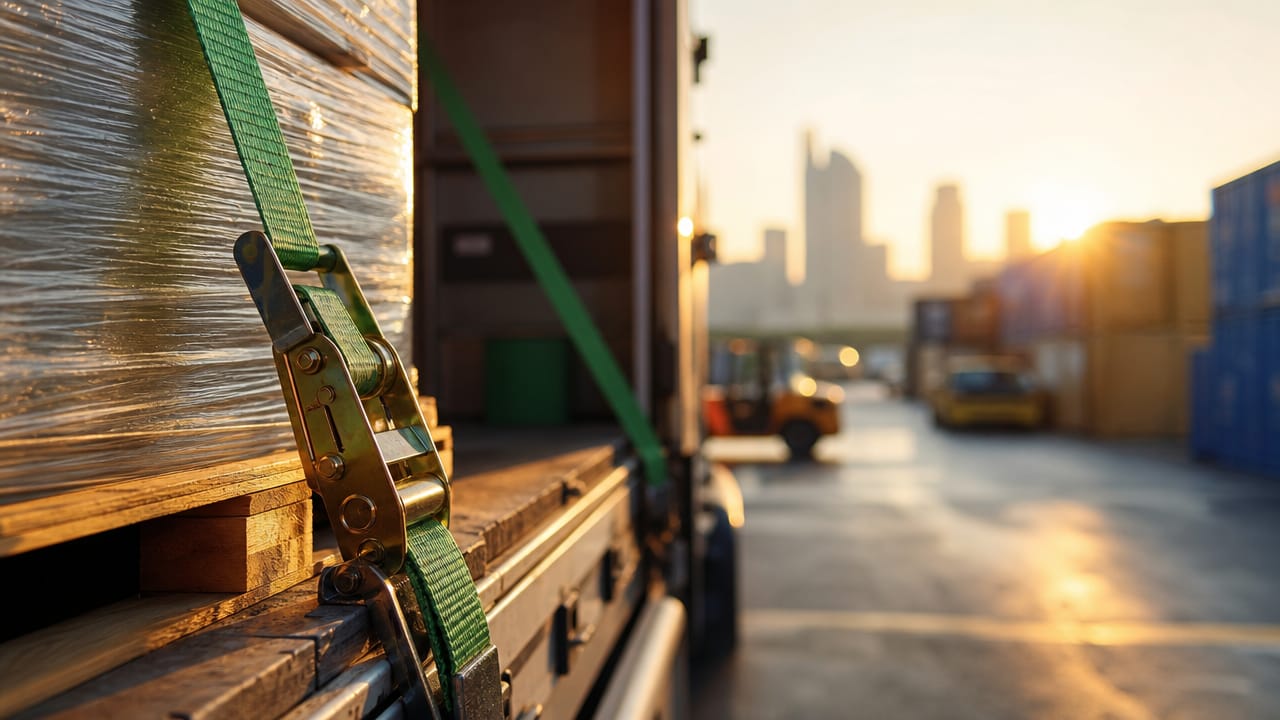



Best Practices for Handling Return Freight After Events are often ignored until the final hours of a show, when pressure and fatigue collide. In Australia, long distances between cities, tight venue schedules and limited dock access turn minor mistakes into costly delays. When return freight is rushed, exhibitors risk damaged displays, missed trucks and unexpected storage bills that quietly eat into event ROI. Recognising these risks early is essential for organisers and exhibitors who rely on events to reach national and regional markets.
Return freight after trade shows, conferences and exhibitions is rarely given the same attention as inbound transport. Industry figures suggest that delayed and damaged exhibition freight is far more common when teams are packing down at night, under strict bump-out rules. In this environment, small gaps in planning quickly lead to re-deliveries, penalty fees or stranded crates. Australian organisers who treat freight as an afterthought often underestimate how these issues undermine budgets and post-event marketing timelines.
The earliest warning sign is confusion on the show floor: staff do not know which cases are heading to storage, which are bound for interstate offices, or who is booking trucks. Handwritten labels, missing consignment notes and last-minute calls to generic couriers are further red flags. Under time pressure, crews may cut corners on packing, skip condition photos and overlook customs paperwork for international shipments. These shortcuts heighten the risk of damage, misplaced freight and prolonged return delivery of displays to head office or warehouses.
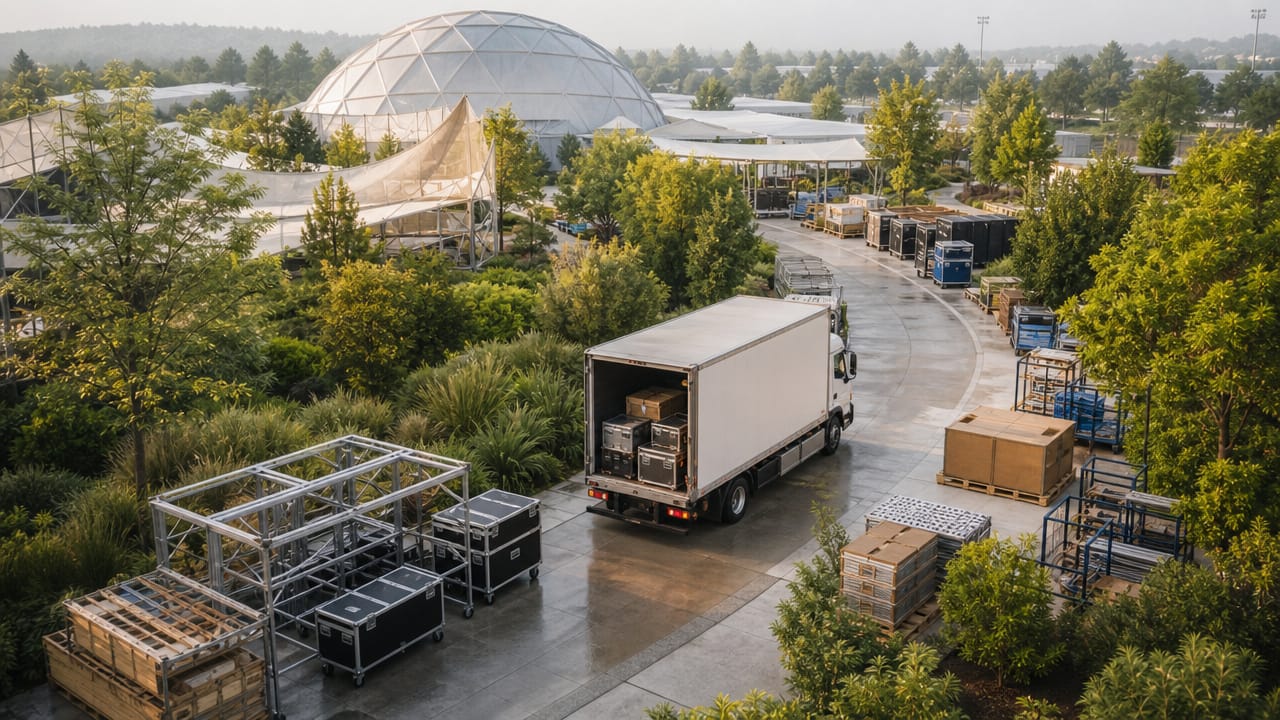
Once doors close, multiple exhibitors rush to pack while venue security counts down to dock closure, making event pack-down freight options more complex than standard transport. Trucks may queue in marshal yards, and drivers unfamiliar with trade show logistics can miss loading slots entirely. For interstate return logistics for expos, a missed collection may mean waiting days for the next service and paying extra hire on stand components. International exhibitors also face potential customs holds if commercial invoices and declarations are incomplete or inconsistent.
Over time, inconsistent handling of return loads can damage more than equipment. Late arrivals disrupt showroom refreshes, training sessions and follow-up sales campaigns built around new products. Marketing and finance teams lose confidence when costs blow out and reporting on Exhibition Logistics and Freight lacks clarity. For growing organisations, this pattern may discourage participation in key expos despite their strategic value. Many Australian exhibitors ultimately turn to return exhibition freight services or specialist providers once these risks become too visible to ignore.
If your event program involves complex exhibition transport, multiple locations or tight turnarounds, relying on ad hoc arrangements is a growing liability. Consider how you currently coordinate return venue pickups, confirm bookings and manage contingencies when things slip. Now is the time to review your processes, speak with an expert and tighten your approach before your next show. Assess your return-freight set-up, request guidance from a specialist, and ensure your next event closes without hidden logistics surprises.
Input your search keywords and press Enter.