



In Australia, exhibitors investing heavily in stands, travel and marketing often underestimate how fragile their timelines are without accurate exhibition freight paperwork. For many, the weak point in Exhibition Logistics and Freight is not the flight schedule or trucking capacity, but the quality of the documents sitting behind each carton, crate and pallet. When customs officers cannot quickly understand what you are bringing in, why it is here and when it will leave, your build schedule is immediately at risk.
Unlike normal commercial imports, most exhibition freight moves as temporary imports tied to fixed show dates. Australian Border Force and biosecurity officials scrutinise temporary entries, and any uncertainty around values, serial numbers or product descriptions can trigger holds. Because many shows in Sydney, Melbourne and Brisbane run for only a few days, even a 24-hour delay can mean missing build windows, compressed stand construction and rushed commissioning of demo equipment.
Errors in customs and carnet details for exhibits are a particular pressure point. If ATA carnet entries, security bonds or commercial invoices do not align, your shipment may be reclassified, attracting unexpected duties, GST or additional guarantees. This can derail budgets as well as timing, especially when organisers require cleared cargo on site by specific advance warehouse cut-offs. The material cost of the goods is often far lower than the financial impact of lost exhibition opportunities.
Forwarders handling trade show logistics across major venues routinely report the same weak spots. Packing lists describe everything as “promotional items” instead of detailing exact models, materials and quantities. When freight manifests for exhibition stands are vague or inconsistent with invoices, officials must escalate to manual review, adding hours or days. Wooden crates, textiles, food samples and outdoor equipment that lack treatment certificates regularly fall into biosecurity inspection queues.
Another gap is failing to tailor documentation for exhibition transport rather than standard freight. Australian trade show freight rules around temporary imports, hazardous materials and quarantine-sensitive goods often change, yet many exhibitors simply recycle last year’s templates. When no one checks documentation for exhibition transport against current regulations, small discrepancies multiply. Misaligned weights, values or HS codes then surface only when cargo is already in transit or sitting on the tarmac.
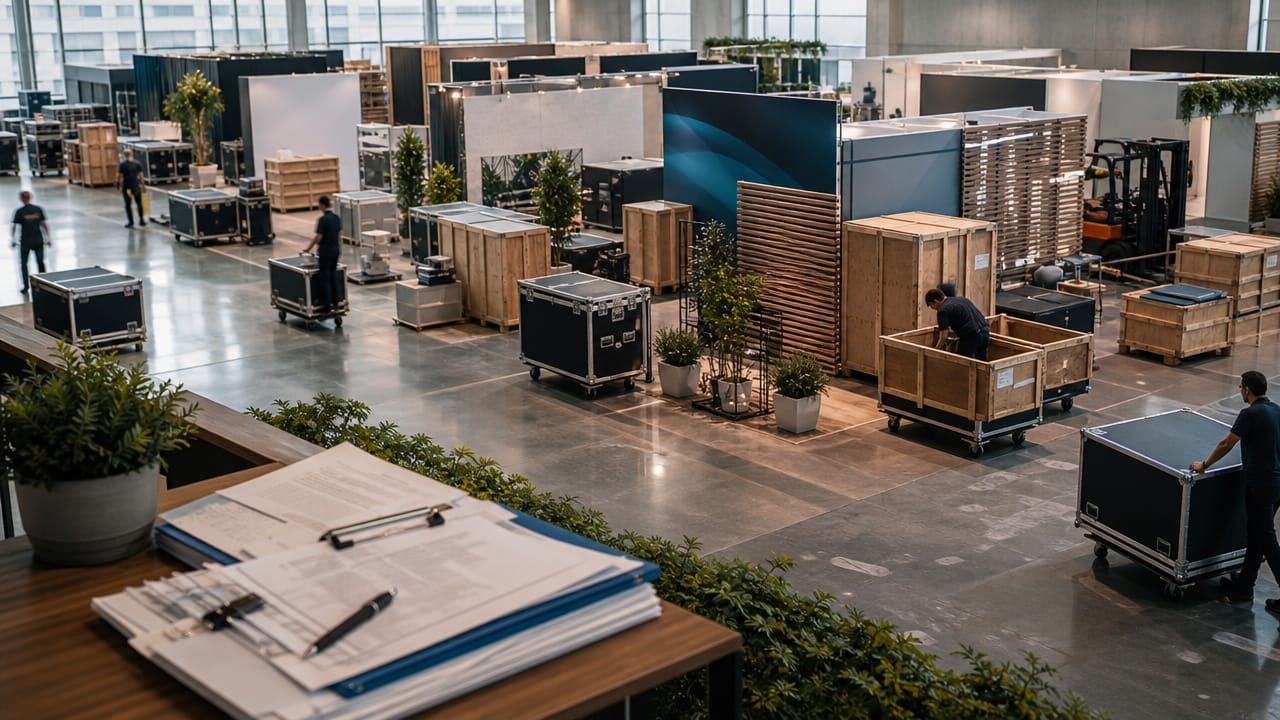
There are clear indicators that your documentation approach is courting trouble. Teams often finalise lists and invoices only after cargo leaves the warehouse, leaving no time to correct mismatched item counts, values or labelling requirements for trade show freight. Different departments, or even different freight agents, prepare parts of the file independently, so serial numbers, packing dimensions and consignment references do not align.
When these red flags are present, minor errors can cascade into major disruption. Missing or unclear documentation around exhibition transport may force inspectors to open crates on arrival, increasing the risk of damage and handling delays. If documentation fails to demonstrate compliance with australian trade show freight rules, organisers may refuse late deliveries to show floors altogether, even when freight has finally cleared the border.
Ultimately, the cost of weak processes in Exhibition Logistics and Freight is not just measured in storage fees or amendment charges. It shows up in staff overtime, compromised stand builds and diluted impact of product launches that arrive half a day too late. Exhibitors who proactively review documentation for exhibition transport with specialist partners are better placed to avoid holds, align with trade show logistics requirements and safeguard their investment. Now is the time to audit your paperwork, identify gaps and seek expert guidance before your next event calendar fills—and before preventable documentation errors turn a promising exhibition into a costly missed opportunity.
Input your search keywords and press Enter.