



The role of interactive content in trade show success has become impossible to ignore across Australian exhibitions. As attendees grow more selective, they are no longer impressed by static banners, looping videos and stacks of brochures. They expect to experiment, customise and participate, and this shift is quietly exposing gaps in many exhibitors’ Trade Show Marketing plans. When your stand offers nothing to do beyond a quick look and a rushed pitch, you risk blending into the background noise of a crowded show floor.
Interactive content now sits at the centre of effective exhibition marketing, particularly at large Australian events where competitors fight for seconds of attention. Organisers at Melbourne and Sydney venues consistently report that tactile, digital and participatory experiences pull visitors in for longer, more meaningful conversations. Yet many exhibitors still plan their presence as if brochures and banner walls are enough. This mismatch between visitor expectations and stand design is fast becoming a core reason for disappointing show results.
Event data from shows such as Melbourne Manufacturing Week and DAL Expo reveals a clear pattern: stands with interactive booth visitor activities achieve stronger dwell times and richer conversations. Touchscreens, AR overlays and guided demos help visitors understand complex offers without heavy sales pressure. By contrast, static displays force staff to talk through everything from scratch, often losing prospects who are short on time. The result is a widening gap between exhibitors who embrace interactivity and those who treat it as an optional extra.
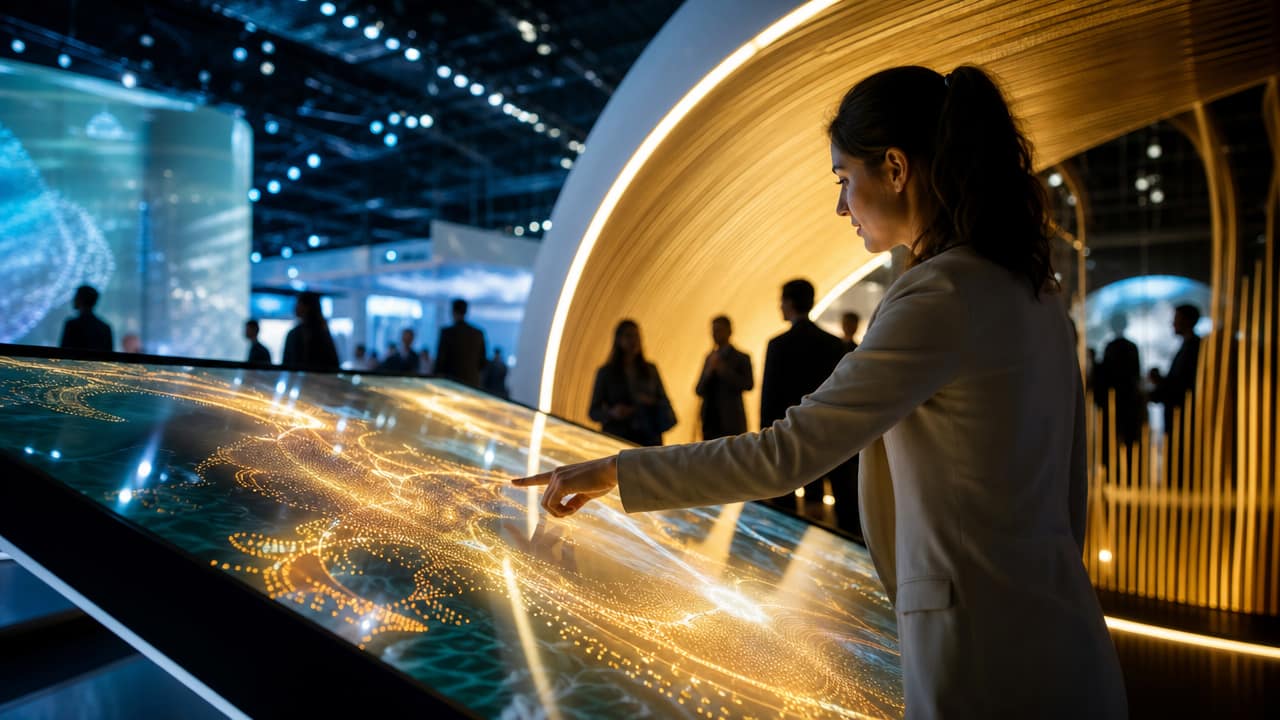
The warning signs of weak interactivity are often subtle at first. Staff default to thrusting flyers into hands because there is nothing else for visitors to do. People slow down, glance at your stand, then move on within seconds, leaving you with poor exhibition lead generation despite solid pre-show registrations. A booth might look polished in photos yet fail to trigger conversations, questions or data capture. Over time, this translates into fewer qualified leads, vague follow-up calls and limited evidence that the show paid off.
Misconceptions deepen the problem. Many Australian exhibitors still assume that only expensive VR rigs or elaborate builds count as interactive exhibition marketing tactics. In reality, simple interactive demos for trade shows, live polling, product configurators or gamified trade show engagement mechanics often deliver stronger, more trackable outcomes. When these elements are missing, you also lose chances to run interactive trade show promotion campaigns before and during the event, reducing overall trade show visitor engagement ideas to little more than logo exposure.
The risk is not just wasted floor space; it is a growing perception gap. Competitors using hands-on exhibition lead generation tools and interactive content appear more innovative, even when selling similar solutions. Without structured interactive booth visitor activities, your brand can feel dated and hard to grasp, especially for technical or service-based offers. Over multiple events, this erodes the return on your trade show promotion budget and makes it harder to justify future investment to internal stakeholders.
When timelines are tight and teams are juggling multiple priorities, it becomes difficult to design cohesive, on-brand experiences that join up digital, social and on-stand touchpoints. This is often the point where exhibitors in Australia quietly seek expert guidance to rethink their approach to exhibition marketing and lead capture. A specialist can review your current plan, highlight friction points and recommend pragmatic, testable changes tailored to your audience and objectives, rather than pushing generic technology for its own sake.
Before your next event locks in, map every moment a visitor encounters your brand and ask, “What are they invited to do here?” If the honest answer is mostly “look and listen”, it may be time to reassess your strategy and explore more interactive ways to engage. Consider speaking with an exhibition specialist to review your plan, refine your Trade Show Marketing approach and build an evidence-based roadmap that turns passive browsers into measurable, high-intent opportunities.
Input your search keywords and press Enter.