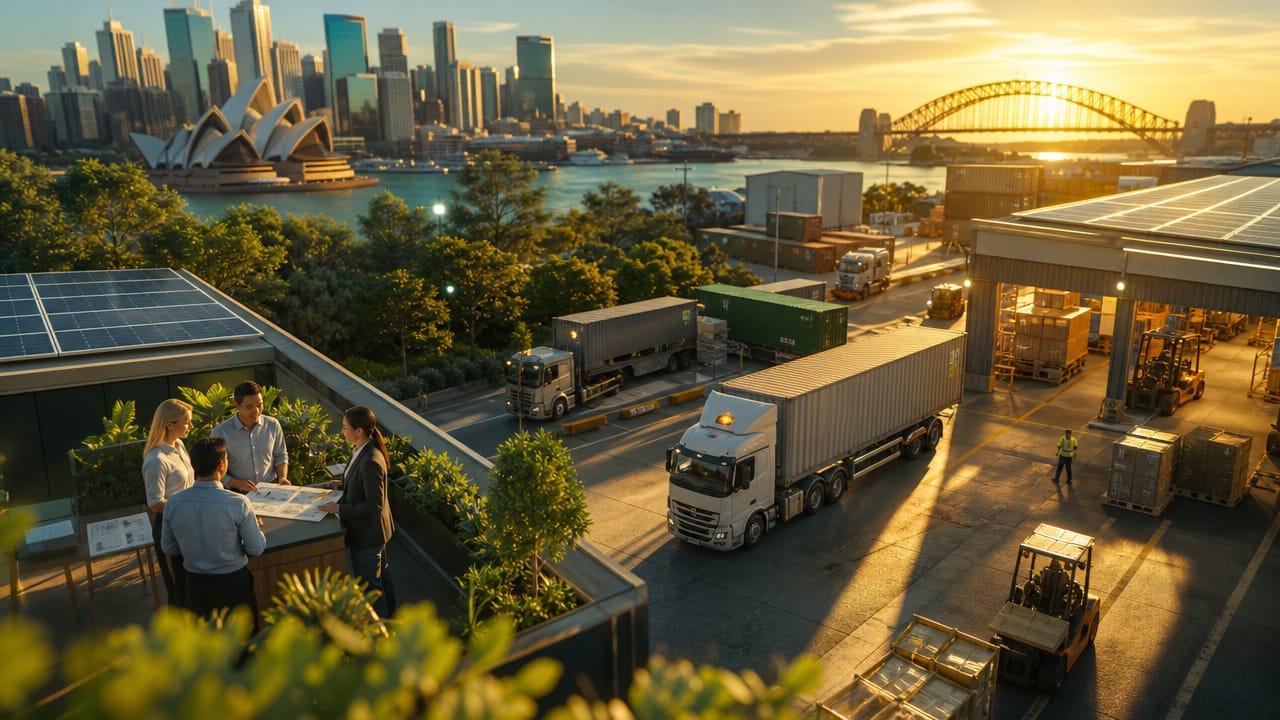



How to Optimise Your Exhibition Freight Budget for 2026
Exhibitors planning for 2026 are under pressure as Exhibition Logistics and Freight becomes more expensive and less predictable. Rising fuel prices, labour shortages and tighter venue controls are pushing up core exhibition freight costs, from international shipping to domestic handling. Breaking your spend into clear lines—transport, customs, storage, on-site services and insurance—helps you see where savings are possible without risking your assets. For example, sea options suit durable stands with long lead times, while air is better reserved for critical samples or last-minute graphics. The goal is to match each shipment to the most efficient mode, not simply chase the lowest rate per kilo.
Early planning sits at the heart of exhibition freight budgeting, especially around major Australian shows with tight bump-in windows. Booking capacity months ahead improves pricing and reduces the risk of emergency air lifts that crush margins. Consolidating consignments into fewer, well-planned loads can trim minimum charges and cut duplicate paperwork. Packaging design is another major lever: modular stands, stackable cases and right-sized crates reduce cubic volume and lower exhibition stand freight costs. Many teams now opt for reusable cases that work for both air and road, spreading the investment across multiple events and reducing hire fees.
Choosing between sea, air and road hinges on transit time, reliability and total landed cost, rather than a single tariff figure. Sea works well for large international shipments into Australia when you can allow six to eight weeks plus clearance. Domestic exhibition transport is still dominated by road, but peak seasons and regional routes demand realistic trade show delivery schedules. Specialist carriers familiar with australian trade show freight understand marshaling yards, paperwork and event venue loading access rules at major centres. Their expertise can prevent costly delays, overtime charges and on-site storage penalties during busy move-in and move-out periods.
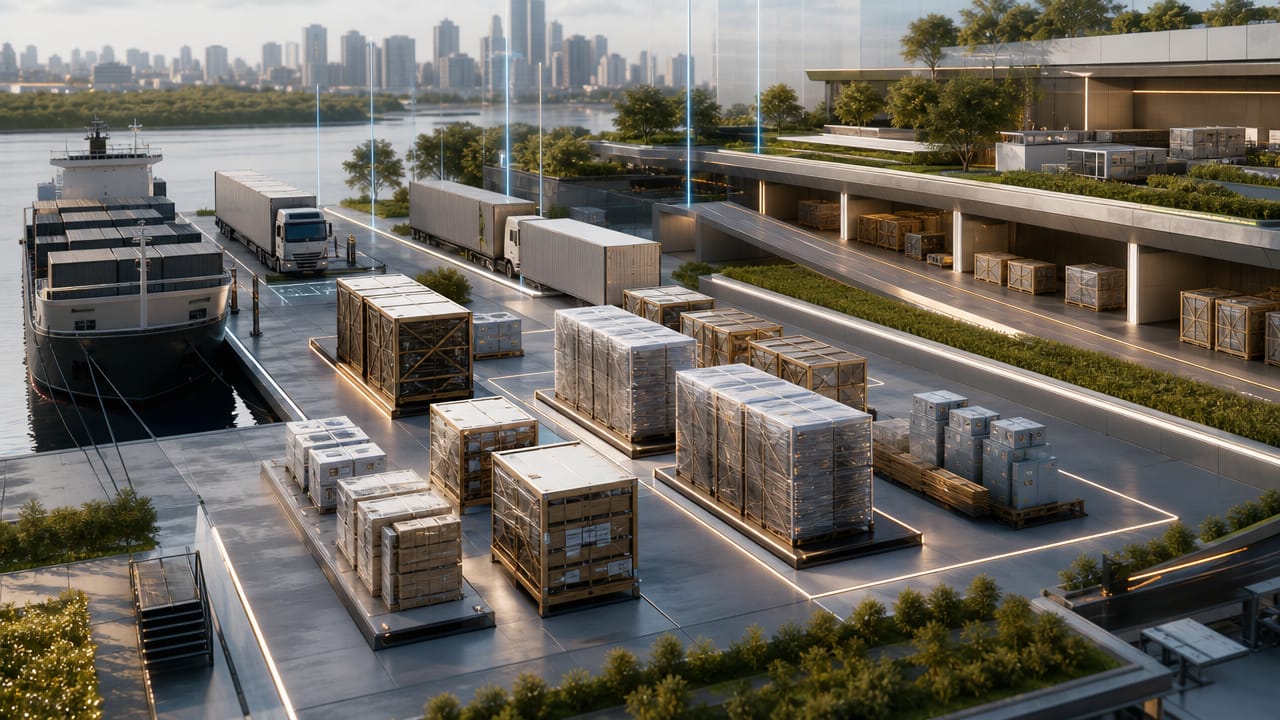
When assessing providers, exhibitors should request all-inclusive quotes that spell out fuel surcharges, weekend labour, storage and on-site exhibition freight handling. Comparing how different specialists manage delays, damage claims and last-minute schedule changes reveals who can genuinely protect your budget. For multi-city programs, interstate exhibition transport planning and return transport for exhibits are critical, ensuring freight flows smoothly between shows without unnecessary warehousing. A structured tender with several trade show logistics experts can surface innovations like greener packaging, digital tracking or flexible service tiers. As 2026 approaches, working with a specialist who understands exhibition freight across Australia can help you benchmark costs and stress-test different scenarios.
To keep your 2026 budget on track, start now by mapping your full freight journey, identifying high-risk routes and clarifying responsibilities with suppliers and venues. Use actual data from recent events to test different solutions, such as consolidating shipments or changing carriers for specific lanes. If your team lacks in-house expertise, consider engaging a consultant experienced in exhibition freight to validate your approach. A short discovery call can reveal blind spots in insurance, documentation or risk planning that undermine savings. Take the next step by speaking with an independent expert who can help you compare options, tighten your budget and build a resilient freight plan for your upcoming shows.
Input your search keywords and press Enter.