



An effective stand brief is the backbone of successful Exhibition Stand Planning for Australian exhibitors facing tight budgets and even tighter timelines. By translating commercial goals into clear directions, it keeps designers, builders and marketers aligned around measurable outcomes rather than last-minute improvisation. In a crowded expo hall, that structure is what protects against cost blowouts, brand inconsistency and missed sales conversations. For teams juggling multiple events, a disciplined stand briefing process guide becomes a repeatable framework, not a one-off document. The result is a stand that feels purposeful, not improvised, from bump-in to pack-down.
The strongest briefs start with pre-exhibition objectives setting that goes beyond “collect leads” or “increase awareness”. Australian exhibitors increasingly nominate specific targets such as qualified meetings, product trials or partner introductions, which then shape space allocation and engagement tactics. Audience clarity is equally critical, as exhibitors at Fine Food Australia will prioritise very different messages to those targeting clinical decision-makers at a healthcare expo. Demographics, decision-making authority and buying cycles should all be captured early, ideally within a pre-show stand brief template shared across sales and marketing. This upfront rigour prevents last-minute messaging clashes and ensures every square metre serves a defined commercial purpose.
Once objectives and audience are defined, the stand brief should distil two or three core messages that drive every visual and verbal touchpoint. These might focus on a flagship product, a new service bundle or a strategic repositioning in the Australian market. Mapping a simple but deliberate visitor journey then turns those messages into action, from first sightline in the aisle through to data capture and handover. Many teams now use an exhibition planning checklist to confirm where prospects stop, what they see first and how they transition into deeper conversations. This structure supports cleaner reporting after the show, because interactions are designed to match the lead qualification process.
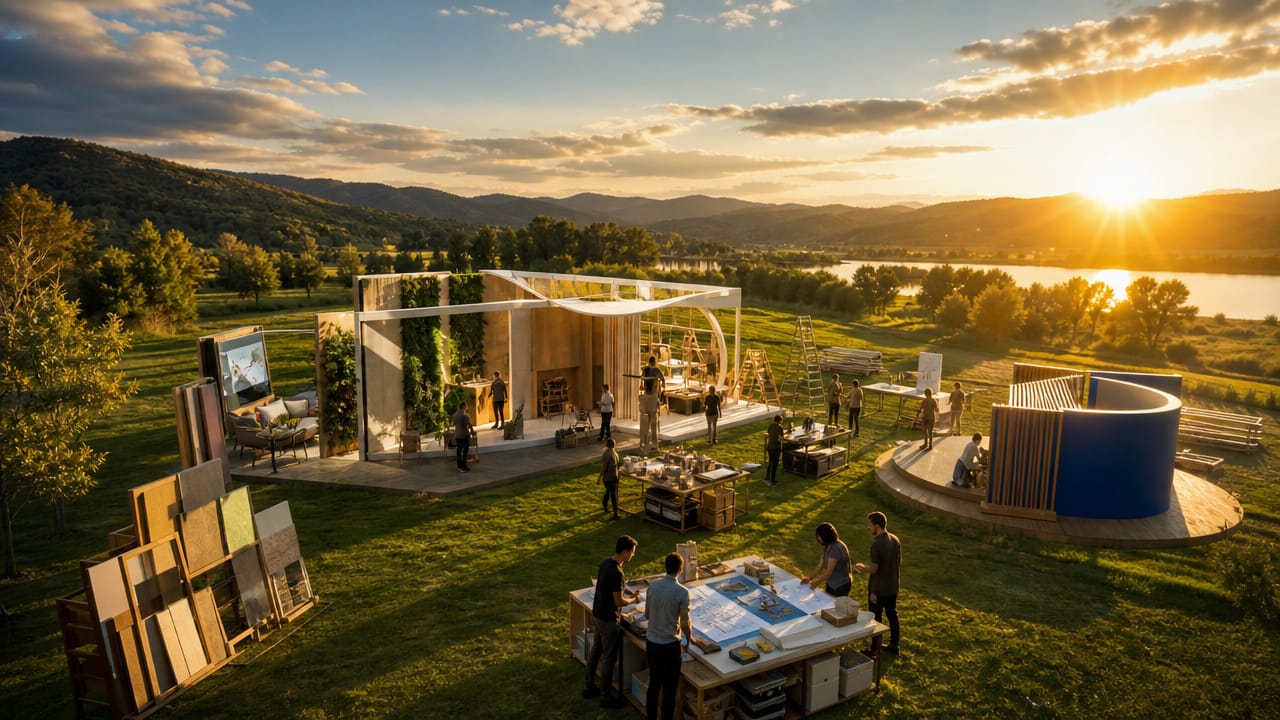
Design and layout decisions sit at the intersection of creativity, regulations and australian trade show planning realities. A good brief will document stand dimensions, orientation, rigging permissions, power locations and storage needs at venues in Sydney, Melbourne or Brisbane. It should also outline the visual direction: how boldly to use brand colours, whether the tone should feel corporate, innovative or playful, and what hero features must anchor the space. Teams often draft an exhibition planning timeline that locks in design sign-off, print deadlines and approvals from venue operators. This disciplined approach gives builders enough runway to solve practical issues, from accessibility to audio spill, before trucks are loaded.
Budget, staffing and measurement round out a professional stand brief, turning ambition into executable detail. Cost ranges for design, build, AV and freight should be realistic yet flexible enough to accommodate creative options and contingencies. Many Australian teams pair this with a concise event-ready exhibitor checklist, ensuring nothing slips through the cracks during final confirmations. On the human side, specifying trade show staffing requirements, engagement formats and data capture tools creates a common playbook for stand teams. When metrics such as lead quality, meetings held and revenue influence are defined upfront, Exhibition Stand Planning becomes a continuous improvement cycle. To move from ad hoc to strategic, consider formalising your next brief and speaking with an expert to benchmark it against industry best practice before your next show.
Input your search keywords and press Enter.