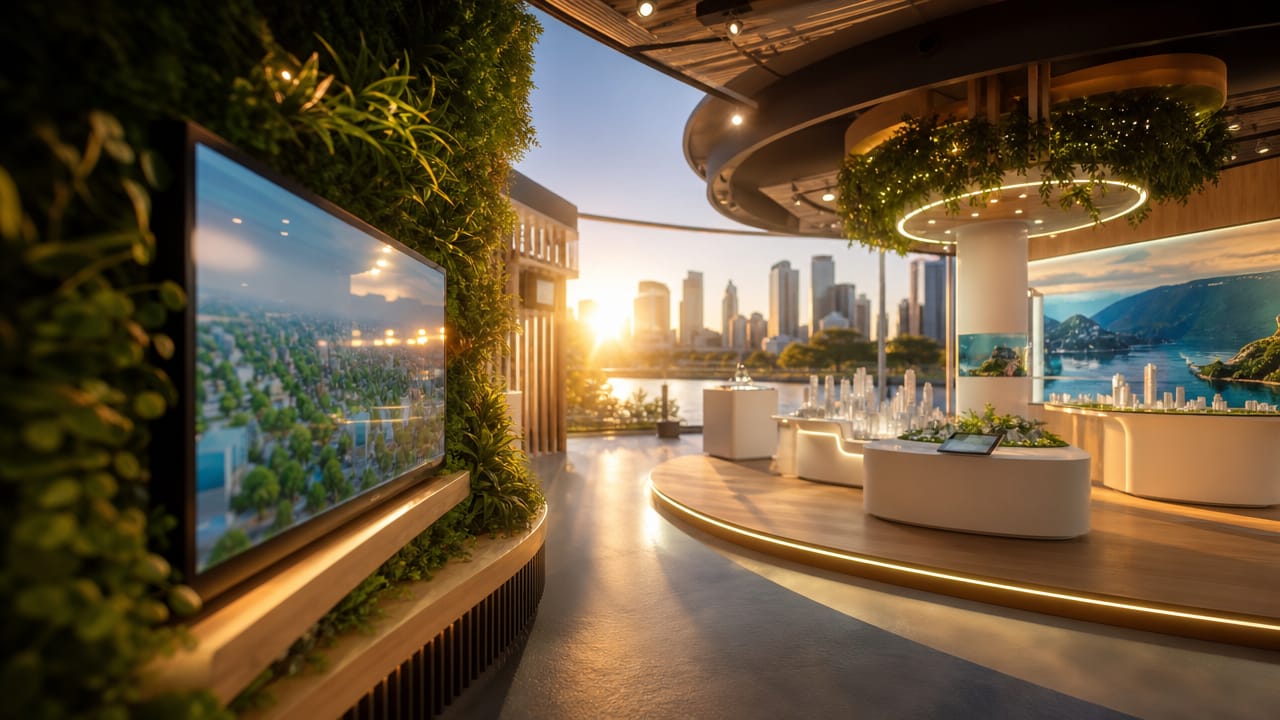



Elevating Engagement: Crafting Interactive Exhibition Spaces is now a core priority for Australian museums, trade fairs and brand experiences seeking to move beyond static displays. As audiences become accustomed to multi-sensory, participatory environments, organisers must rethink how spaces attract attention, sustain interest and convert curiosity into measurable outcomes. This shift is driving demand for smarter Exhibition Stand Design that blends physical structure, content and technology into a coherent visitor journey rather than a collection of isolated touchpoints.
Across Australia, institutions and brands are investing in interactive exhibition stand layouts that respond to changing visitor behaviour. Instead of passive viewing, audiences expect to touch, play, personalise and share, whether they are exploring museum artefacts or trialling new products at a trade show. This is reshaping exhibition booth design, with flexible walls, modular plinths and tactile samples used to choreograph movement and create zones for discovery. For commercial exhibitors, the same principles support clearer messaging, stronger memory recall and more qualified conversations with potential buyers.
Successful interactive spaces typically combine four elements: physical layout, narrative content, technology and human facilitation. Physical architecture provides the bones of custom exhibition stands, setting sightlines, thresholds and gathering points. Layered over this, concise storytelling and branded exhibition graphics concepts give visitors context and meaning. Technology—from simple touchscreens to augmented reality—adds depth and data capture, while trained staff act as interpreters who can adapt the experience in real time. When these layers are planned together, the result is a visitor-friendly booth flow that feels intuitive rather than overwhelming.
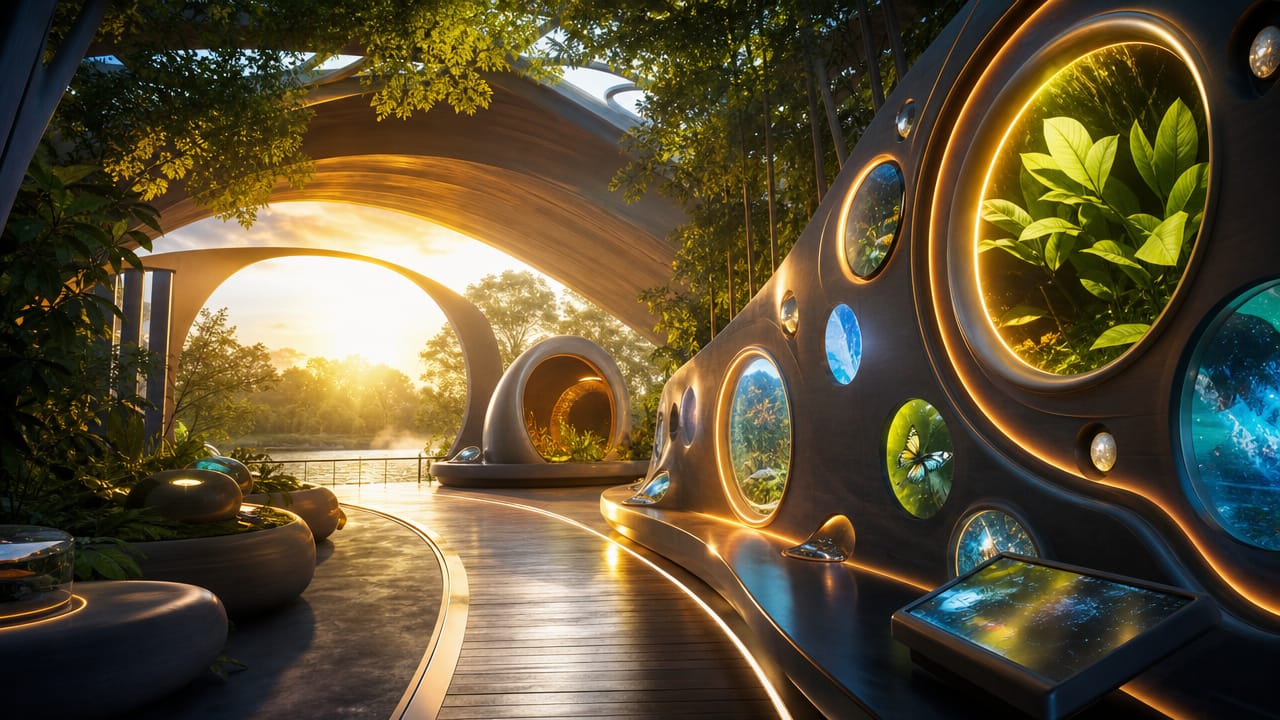
Immersive rooms and large-format projections can deliver cinematic, visual storytelling trade show booths that encourage social sharing, but they require higher budgets, blackout conditions and reliable technical support. Mid-range options, such as RFID trails, interactive kiosks and audio-guided stories, suit exhibitions aiming to personalise content and capture insights without committing to full-scale immersion. For regional shows or tight budgets, low-tech tactics like flip panels, hands-on samples and facilitated activities can still spark engagement. Industry-specific stand design ideas help align each solution with visitor expectations, venue constraints and campaign objectives.
Australian organisers are increasingly using heatmaps, dwell-time sensors and observational studies to understand how different exhibition stand ideas perform in the real world. These insights reveal which installations attract crowds, where instructions confuse visitors and how layout changes influence engagement. For brands, mapping journeys against KPIs—such as leads generated or time spent in key zones—helps refine product-focused custom stand design over multiple events. Partnering with specialists who understand both creative ambition and logistics can streamline testing, accessibility and sustainability considerations across cities. Speaking with experts in Exhibition Stand Design can clarify which interactive solutions best align with your goals, budget and schedule, and help you compare options before committing to your next build.
Input your search keywords and press Enter.