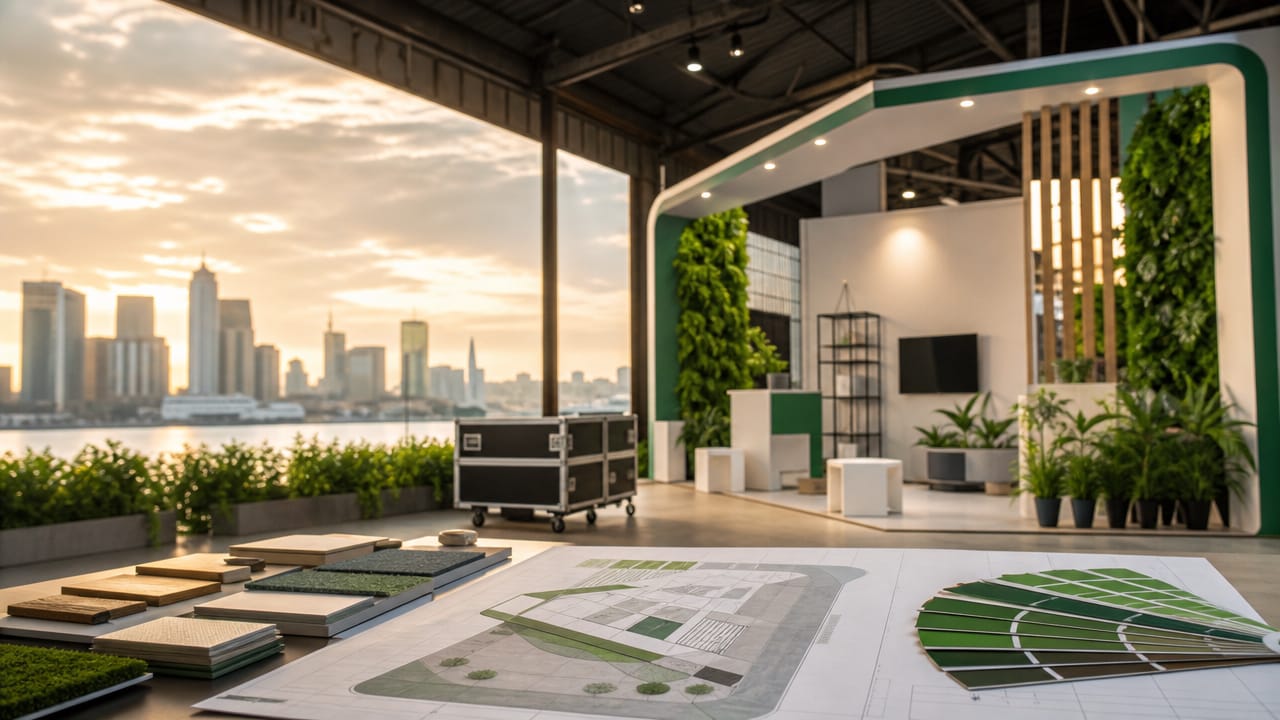



Exhibition Stand Planning in Australia has become a strategic discipline rather than a last‑minute scramble for space and signage. With business events contributing billions to the national economy, marketers need a structured approach that links stand design to measurable commercial outcomes. The pressure is on to turn a few square metres into qualified leads, brand impact, and meaningful conversations with buyers and partners.
For local exhibitors, the first step is clarifying exhibition objectives and goals before signing any contracts. Are you chasing new leads, a product launch moment, media coverage, or distributor meetings? A simple exhibition planning checklist built around audience, message, and metrics helps teams avoid generic stands that fail to cut through. This early work also shapes how you brief suppliers, allocate budget, and choose events that genuinely match your market.
Most marketers benefit from an exhibition planning timeline that stretches several months before the doors open. In Australia, venue availability and exhibition stand booking deadlines can fall nearly a year ahead for major shows, especially in Sydney and Melbourne. Locking in space early allows better positioning and more time for design iterations, logistics planning, and a pre-event stand staffing plan that matches peak traffic periods.
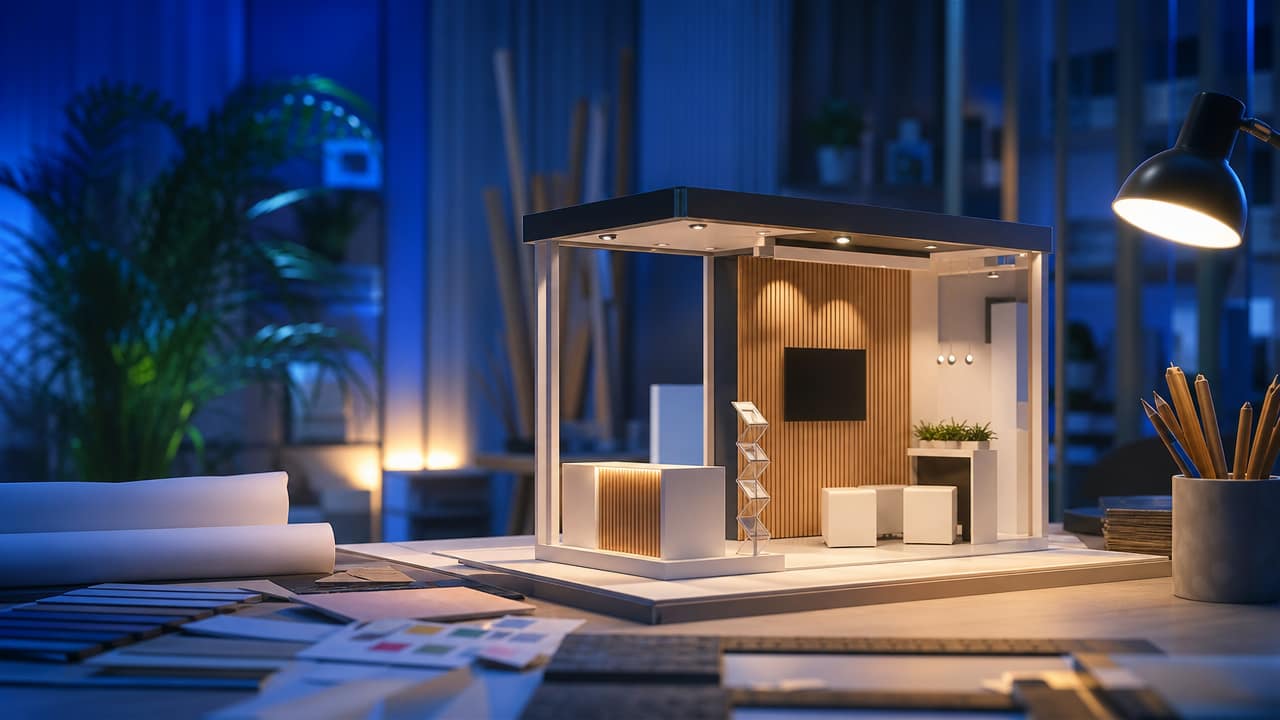
Australian teams typically weigh modular, custom, and rental stands as part of their trade show preparation. Modular systems suit exhibitors travelling between states, fitting with australian trade show timelines and strict bump‑in windows. Custom builds deliver stronger brand theatre but demand higher budgets, complex logistics, and detailed pre-show exhibition planning. Rental stands appeal to firms testing new sectors, offering a polished presence without long‑term asset commitments.
The most effective solutions link stand design with marketing systems, ensuring every interaction is captured and followed up. Integrating lead capture apps into your CRM turns conversations into a trackable pipeline and supports post‑event reporting. As shows become more complex, many Australian marketers now seek independent consultants to refine concepts, manage suppliers, and translate plans into on‑site execution. If you are planning your next event, consider speaking with an exhibition specialist who can stress‑test your options, sharpen your strategy, and guide you through a tailored stand solution that fits your budget and goals.
Input your search keywords and press Enter.