


The Role of Sustainability in Modern Exhibition Planning
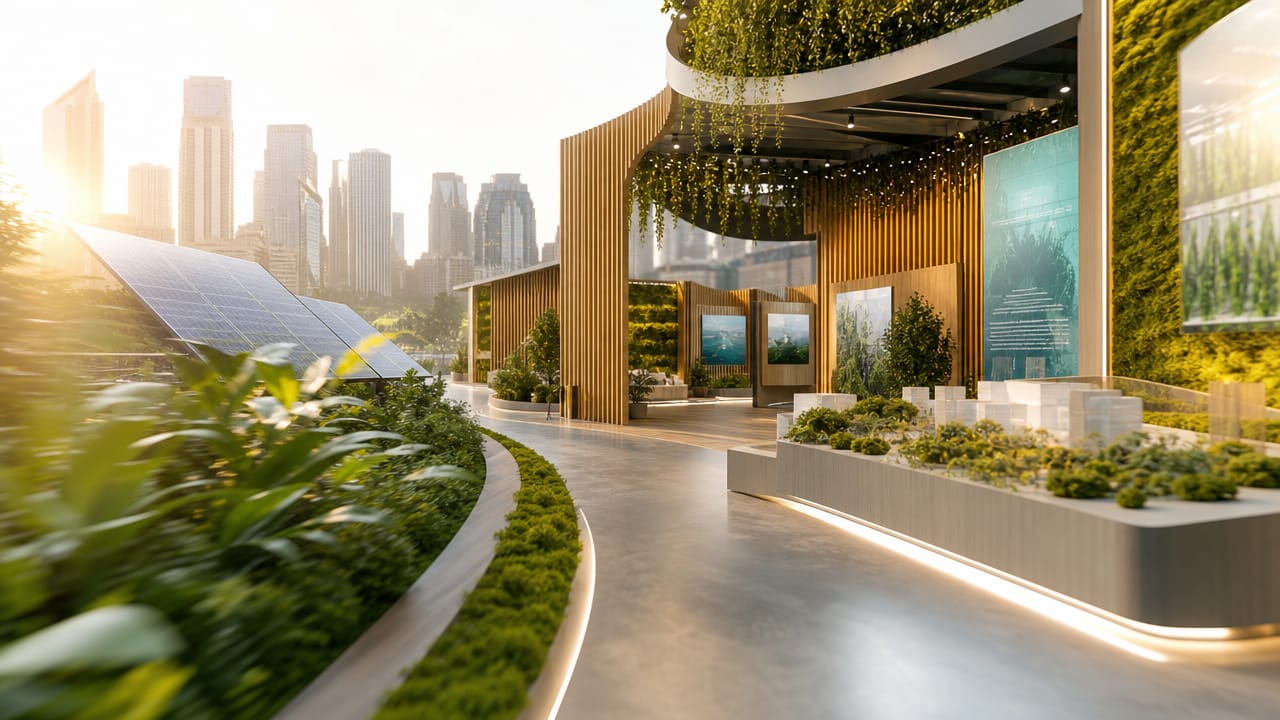
Sustainability now sits at the centre of Exhibition Stand Planning in Australia, influencing how events are designed, built, and delivered. Instead of treating sustainability as an add-on, many organisations are embedding it into their exhibition planning checklist from the outset. This means considering materials, freight, power use, and waste long before bump-in. By approaching exhibitions through an environmental lens, exhibitors can reduce their impact while still achieving strong commercial and branding outcomes.
Traditional exhibitions can consume large amounts of energy and create substantial waste in only a few days. Freight emissions, single-use signage, disposable flooring, and excess print all add up, particularly when events run across several cities on a tight exhibition planning timeline. In Australia, regulators, investors, and customers increasingly expect events to align with broader sustainability goals for exhibitors. Taking a structured, measurable approach helps organisations show genuine responsibility rather than relying on superficial claims.
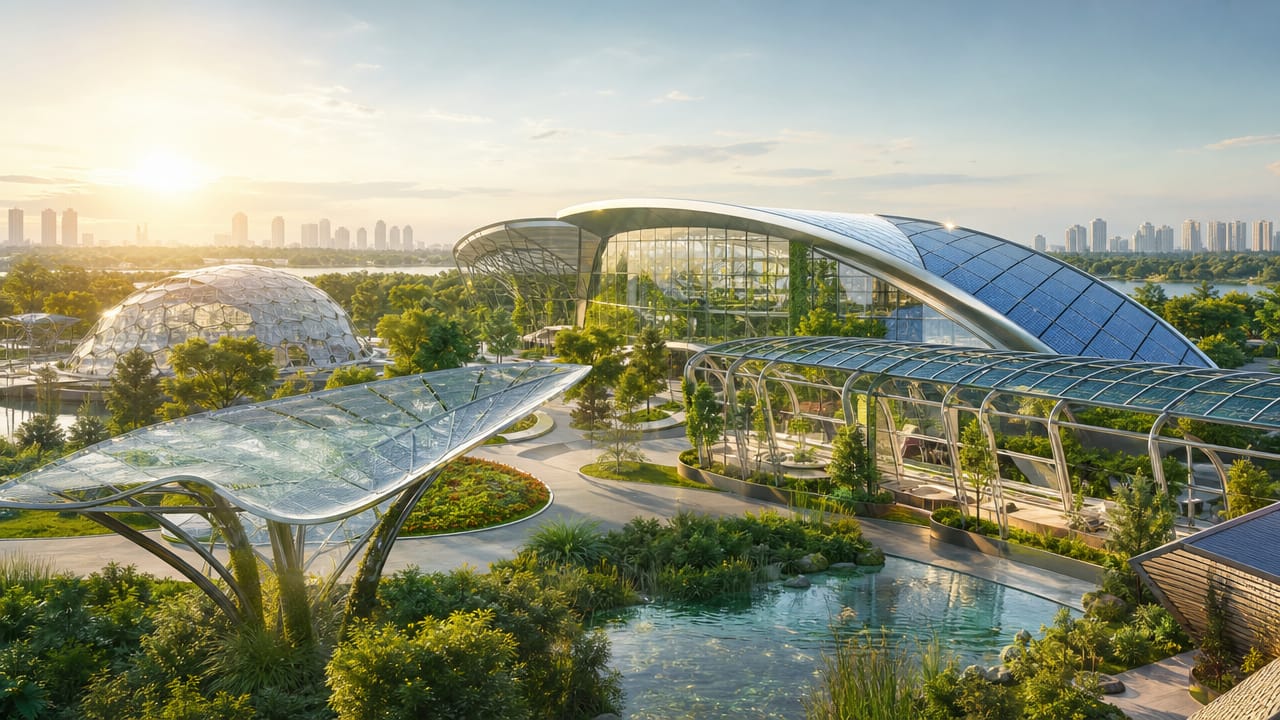
Modern sustainable stands prioritise recycled and recyclable materials such as aluminium frames, fabric graphics, and responsibly sourced timber. Designers increasingly embrace modular systems that can be reconfigured for different shows, supporting low-waste exhibition planning steps over multiple years. Choosing non-toxic finishes, durable flooring, and high-efficiency lighting further reduces environmental and health impacts. When these elements are mapped out in a sustainable exhibition planning guide, teams can make consistent, evidence-based decisions across each event.
Exhibitors can begin with eco-friendly trade show preparation by selecting local suppliers and lightweight components to cut transport emissions. Replacing printed brochures with QR codes, touchscreens, and digital catalogues reduces paper waste while keeping information current. Planning a green exhibition planning timeline that includes waste sorting, recycling contracts, and material recovery before show-day helps avoid last-minute landfill. For many teams, a sustainable pre-show planning checklist becomes a practical tool to translate broad sustainability aspirations into specific tasks.
Energy use is another major opportunity area, particularly during trade show preparation when testing lighting and AV. Opting for LED fixtures, efficient screens, and smart controls supports carbon-conscious stand planning without compromising impact. Venues with robust environmental policies can assist with monitoring power, water, and waste so performance can be tracked over time. Aligning these measures with broader environmentally responsible event preparation ensures exhibition activity sits comfortably within an organisation’s climate and ESG commitments.
To understand whether strategies are working, exhibitors are increasingly measuring emissions, waste diversion rates, and stand re-use. Simple tools such as carbon calculators help estimate travel and freight impacts, and results can be integrated into internal reporting. Sharing outcomes with staff and visitors fosters transparency and can correct misconceptions that sustainability inevitably raises costs or limits creativity. For many Australian organisations, speaking with specialists in Exhibition Stand Planning is a valuable next step to refine their approach, clarify options, and plan future events with confidence and a clear focus on sustainability.
Input your search keywords and press Enter.