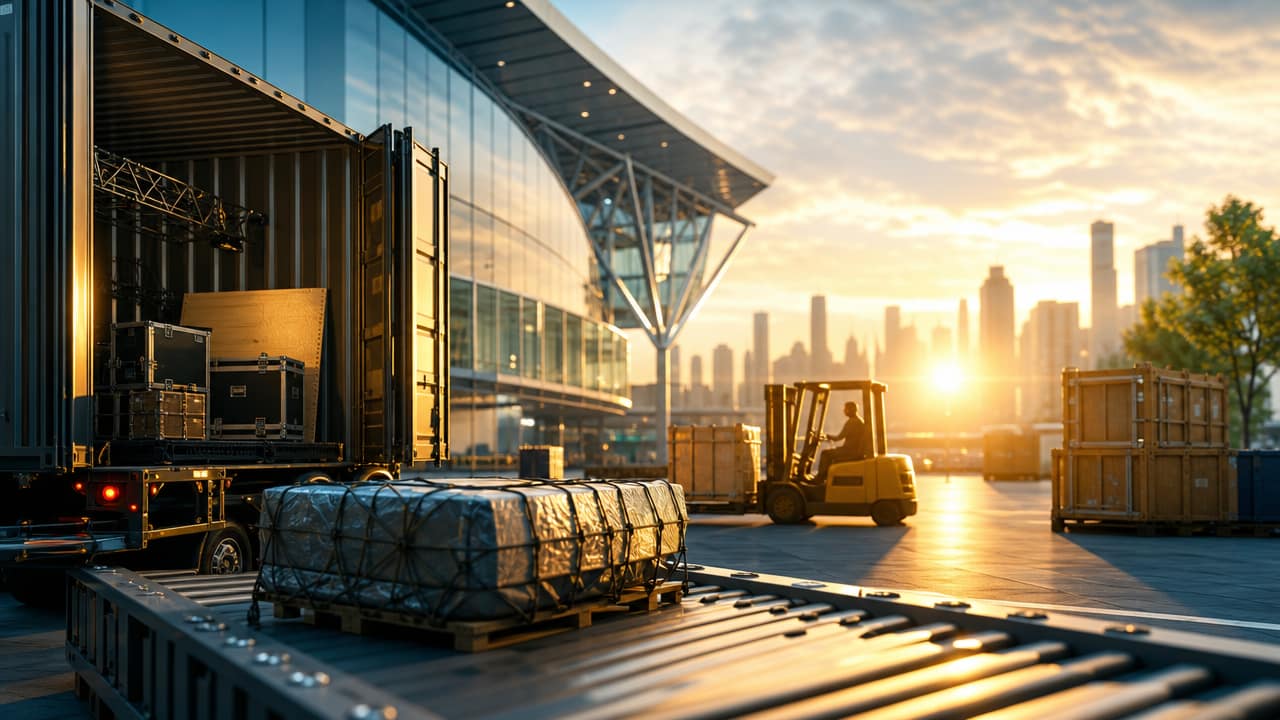



International exhibitions rely on fast, compliant movement of high‑value goods across borders, and customs authorities sit at the centre of this process. The primary keyword for this article is international exhibition logistics, which is critical for Australian organisers, exhibitors, and freight forwarders planning time‑sensitive movements. Understanding how customs decisions affect routing, timing, and cost helps reduce delays and protect valuable displays. This article explains the main customs concepts, practical planning steps, and key considerations when selecting specialist support in Australia.
Customs agencies enforce import and export laws, collect revenue, and manage border risks, all of which directly influence international exhibition logistics. For events, goods are usually not staying permanently, so customs must approve their temporary entry and eventual re‑export. This affects how you structure exhibition freight documentation, insure your goods, and plan build‑up and dismantling schedules. Poorly planned customs interactions often lead to storage charges, missed installation windows, or incomplete stands on opening day.
Most exhibition shipments are treated as temporary imports, meaning they must be re‑exported or converted to permanent imports within strict timeframes. Options include temporary admission, inward processing relief, and temporary import for trade shows when goods are to be demonstrated and then returned. Each regime has its own paperwork, security requirements, and reporting obligations. Misunderstanding these settings can create unexpected duty and tax on exhibition equipment, especially where items are sold or left behind after the event.
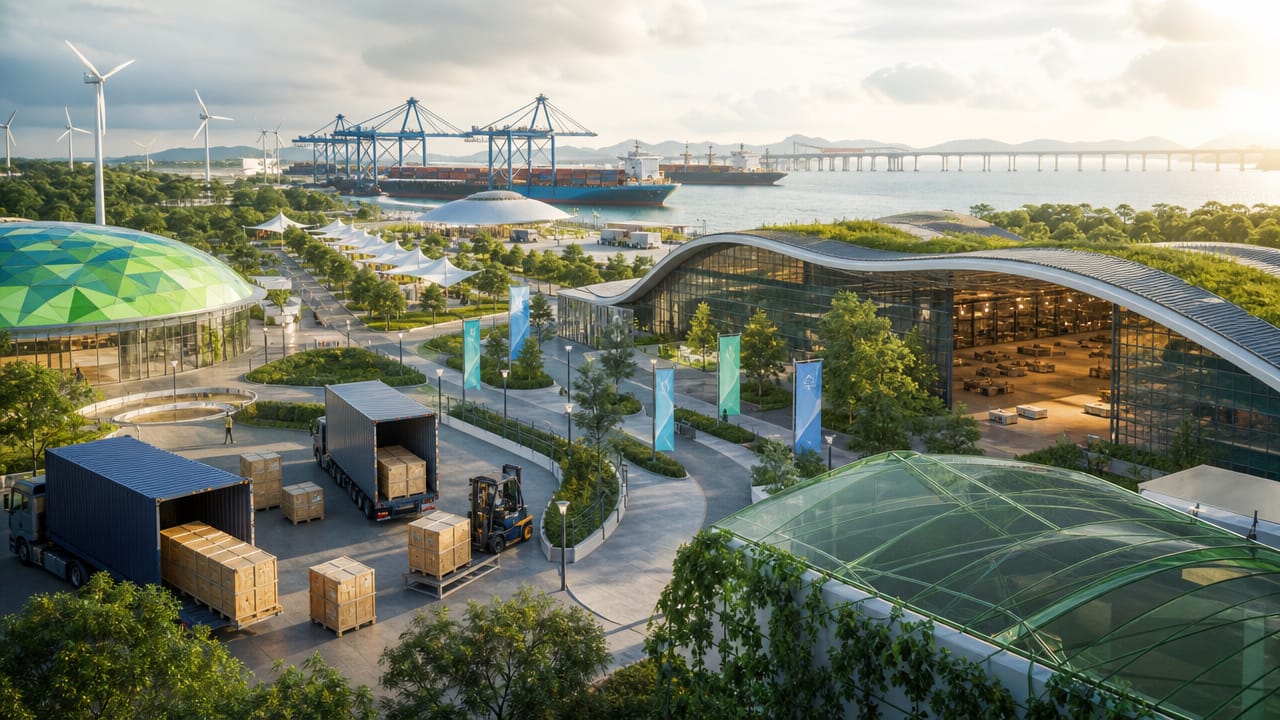
One of the most useful tools for exhibitors is the ATA carnet for exhibition transport, which acts like a passport for goods moving through multiple countries. It simplifies customs clearance for exhibition freight by replacing separate national documents with a single, internationally recognised guarantee. Where carnets are not accepted, organisers may rely on bonds or securities arranged by specialist providers. In all cases, clear packing lists, serial numbers, and values are essential for clearing international exhibition shipments efficiently.
For Australian participants, Exhibition Logistics and Freight planning should start months before a show to allow for permits, inspections, and potential rework of paperwork. Sensitive items such as food samples, plants, or timber structures must meet Australian customs for event freight and the destination country’s biosecurity rules. Selecting experienced partners in exhibition transport and trade show logistics helps align flight schedules, trucking slots, and on‑site access with likely clearance times. This joined‑up planning significantly reduces the risk of last‑minute issues at the border.
When assessing providers, look for proven knowledge of customs rules for exhibition displays and hands‑on support at major venues. A capable partner will explain how exhibition freight moves from airport to stand, outline the costs and limitations of international trade show shipping, and advise when an ATA carnet or alternative regime is best. They should also help you prepare realistic timelines for customs clearance and return transport, including contingencies for inspections or flight disruptions.
Before your next event, review how you manage Australian paperwork, transport modes, and customs coordination across your portfolio of shows. Clarify who is responsible for documentation, who monitors shipment status, and how you escalate issues with customs clearance for exhibition freight if delays occur. If you need guidance on structuring your processes or comparing service options, speak with a specialist to deepen your understanding and make more confident decisions for future exhibitions.
Input your search keywords and press Enter.