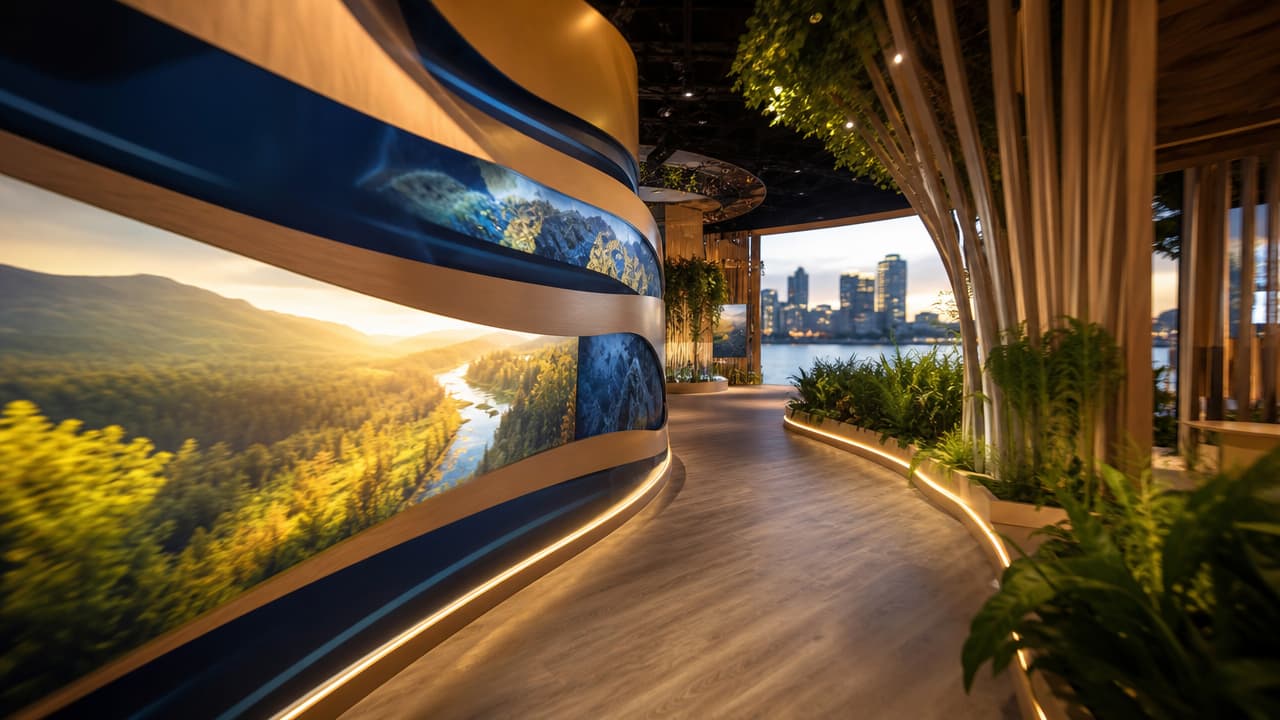



Creating a Narrative: How Design Tells Your Brand Story
In Australia’s competitive trade show and conference circuit, narrative-driven Exhibition Stand Design has become a decisive factor in brand cut-through. Visitors move quickly, scanning for meaning as much as for logos, and stands that communicate a clear story are far more likely to attract and retain interest. Rather than relying on size or gimmicks, a narrative-led environment expresses your purpose, values, and point of difference in a structured way. This approach helps attendees immediately understand who you are, why you matter, and whether they should step in for a deeper conversation.
Among all marketing channels, an exhibition booth design compresses your brand story into a highly concentrated physical experience. Every line, surface, and message competes for attention, so a narrative framework guides what truly earns its place. Starting with your origin, mission, and future vision, designers can shape a story driven booth layout that leads visitors from curiosity to engagement. Clear sequencing of content, supported by immersive exhibition stand graphics and considered messaging hierarchy, ensures people do not just browse your stand, but follow an intentional journey that ends in qualified discussion.

Narrative-led stands differentiate themselves through cohesion, intention, and emotional impact. Custom exhibition stands built around a central theme achieve stronger recall because every element reinforces the same story. On brand lighting concepts, sound design, and tactile materials are used to signal mood and positioning, from premium craftsmanship to innovation leadership. Narrative themed display walls and visual storytelling product displays replace generic feature lists with real-world context and outcomes. Together, these decisions move your presence beyond a static booth to an experiential exhibition stand design that visitors remember long after the event closes.
Across Sydney, Melbourne, and Brisbane, leading technology brands are using narrative to frame transformation rather than tools. Instead of a product line-up, they map the customer journey, supported by data visualisation zones, live demos, and immersive storytelling spaces. Premium food and wine producers increasingly pair textured finishes with a branded trade show backdrop evoking provenance, climate, and craft. For these exhibitors, carefully planned visitor journey stand planning ensures casual tasters flow naturally towards in-depth conversations, trade enquiries, or scheduled tastings, turning passing interest into measurable commercial outcomes.
For organisations comparing providers, the critical difference lies in process as much as creativity. A strategic partner will explore your objectives, audiences, and positioning before sketching exhibition stand ideas, ensuring the concept serves clear commercial and brand goals. They will also integrate Exhibition Stand Design with logistics, safety, and venue requirements, reducing risk onsite. When this process is executed well, your stand becomes a coherent brand environment, not a collection of hired components assembled at the last minute.
To move from a generic booth to a focused brand story, consider how narrative-driven design could sharpen your message and attract higher-value conversations. Reflect on where your current presence falls short, whether in clarity, engagement, or memorability, and seek a partner who can translate your strategy into spatial experience. If you are ready to explore a more deliberate approach, request a consultation, share your event calendar, and compare your options with confidence, knowing your next stand can communicate far more than just a logo and a tagline.
Input your search keywords and press Enter.